Jewellery Shaped by Architecture, History and the Human Hand
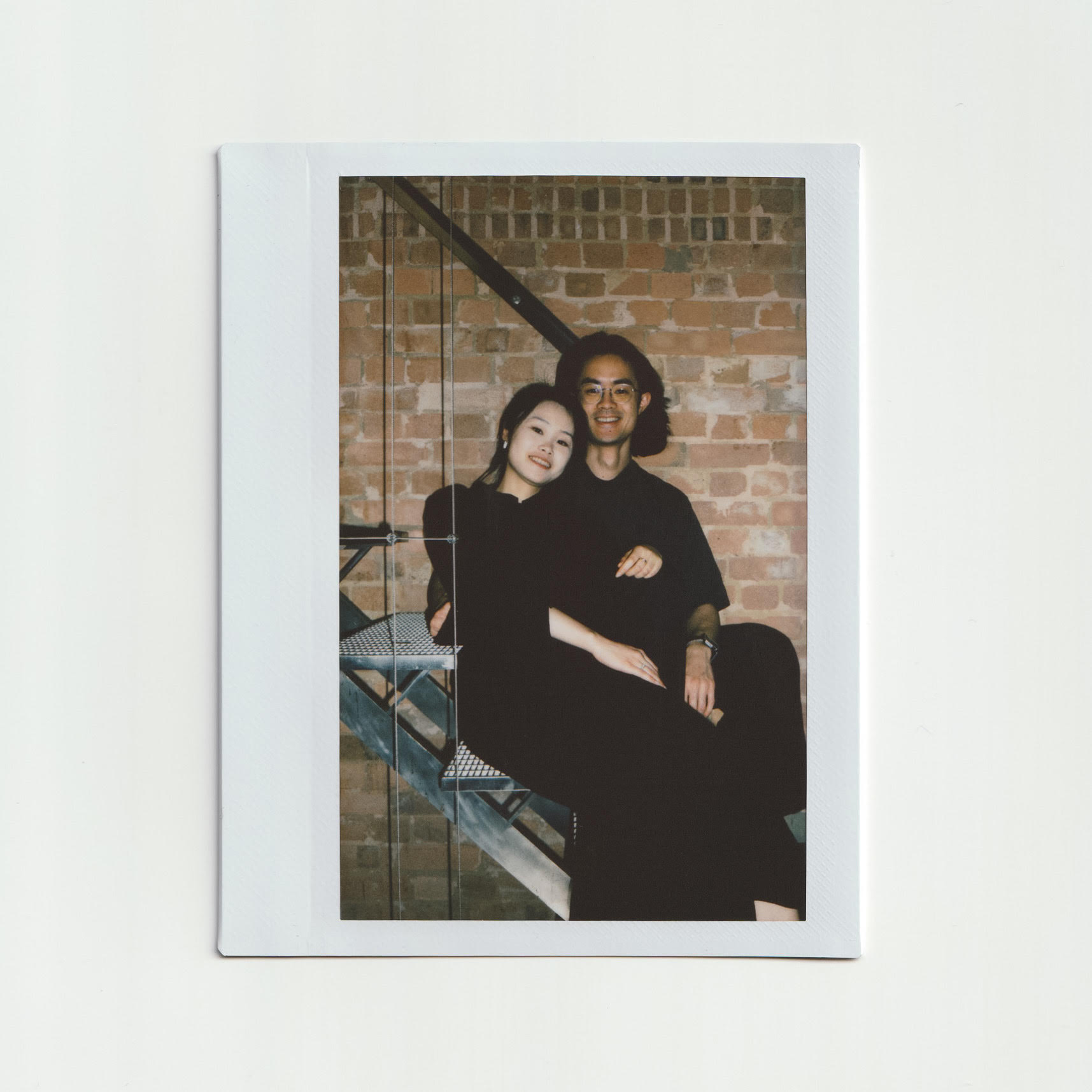
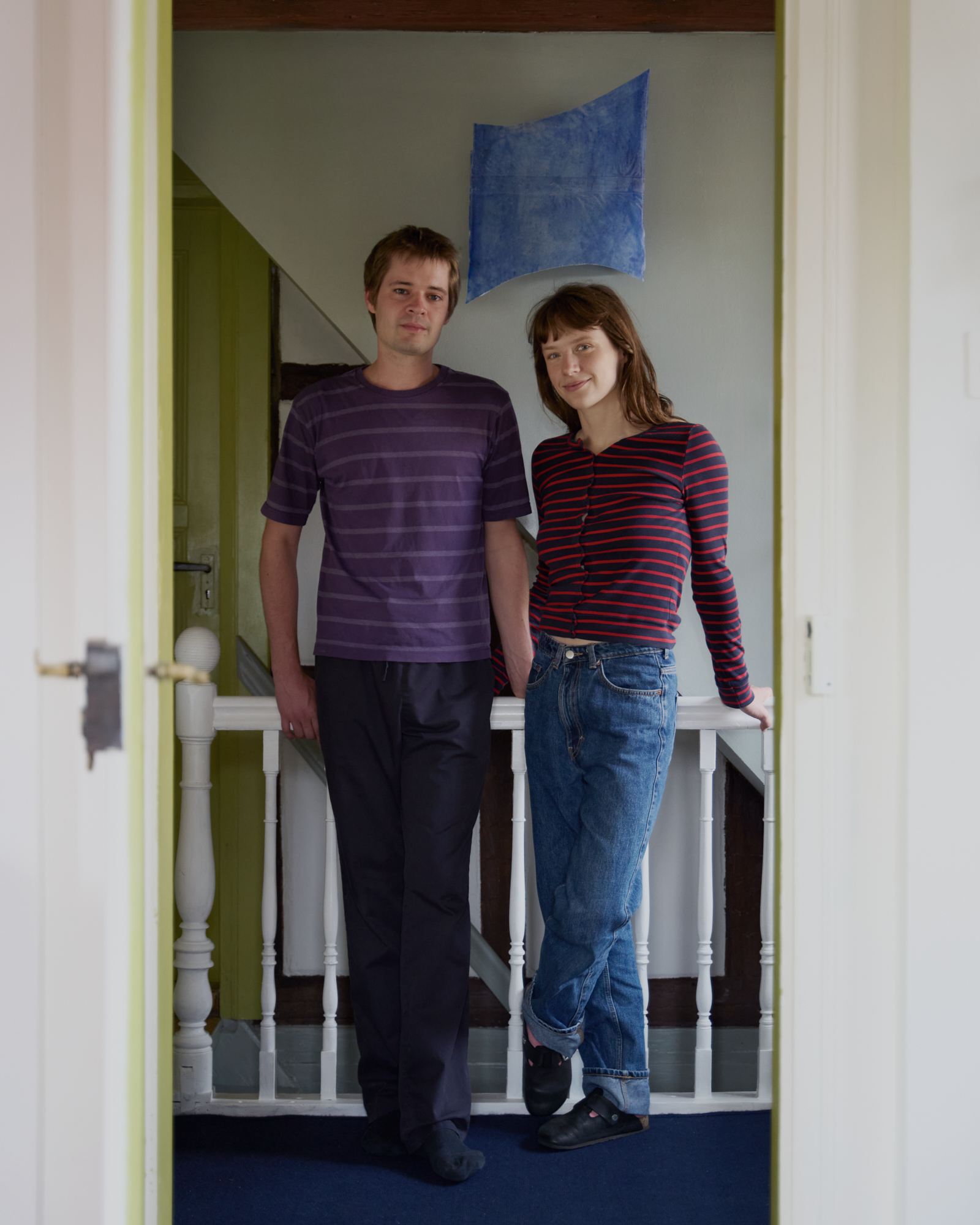
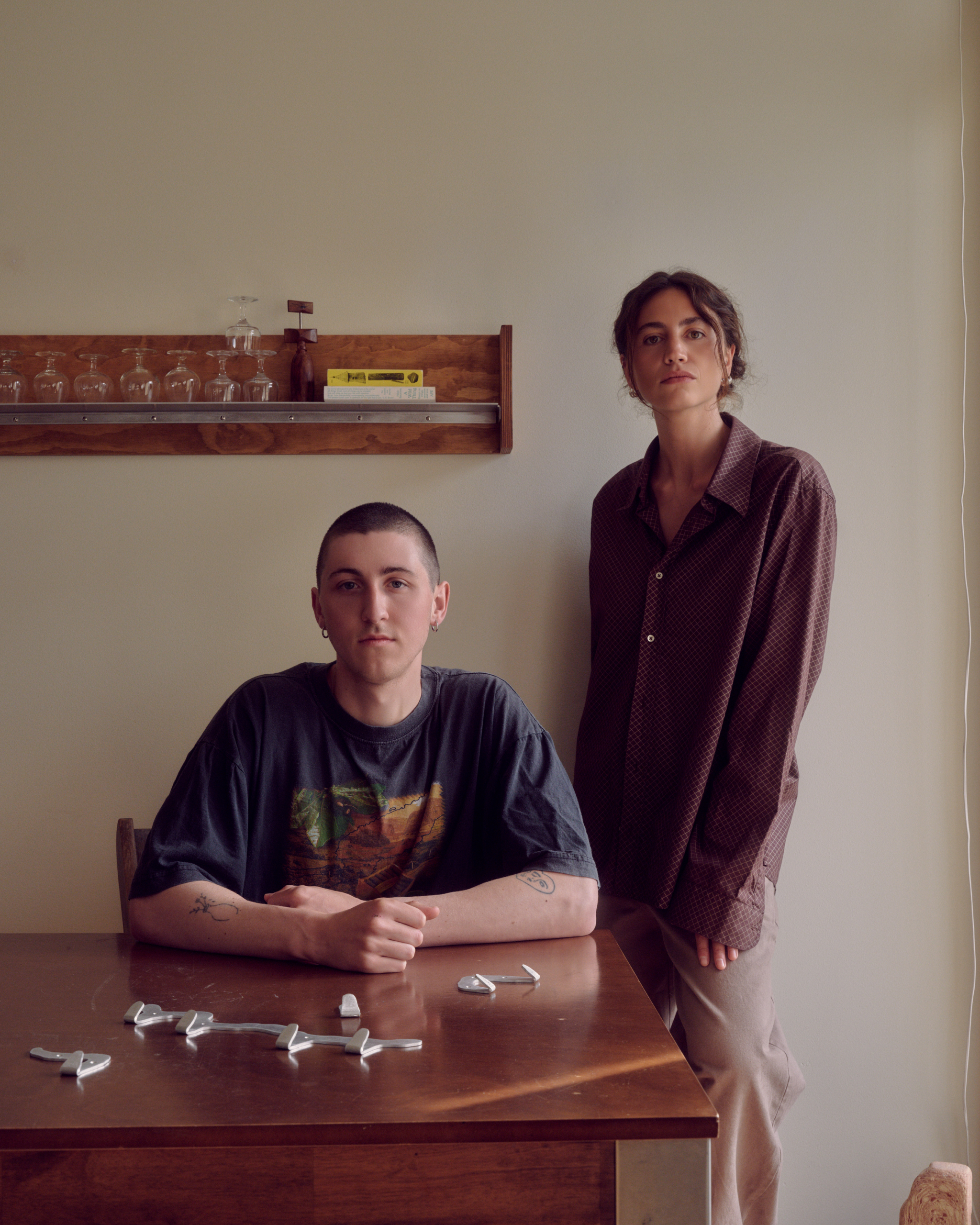

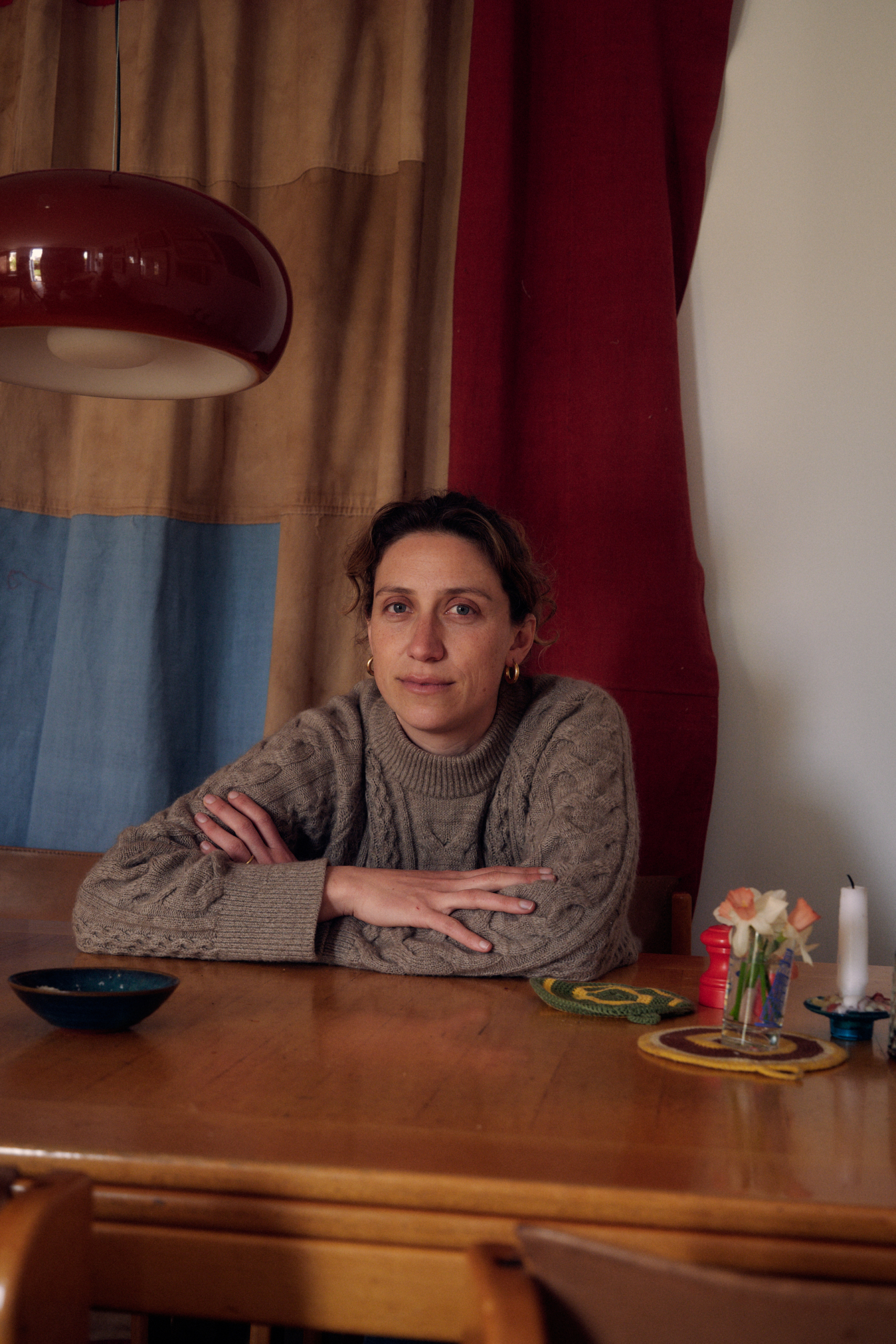
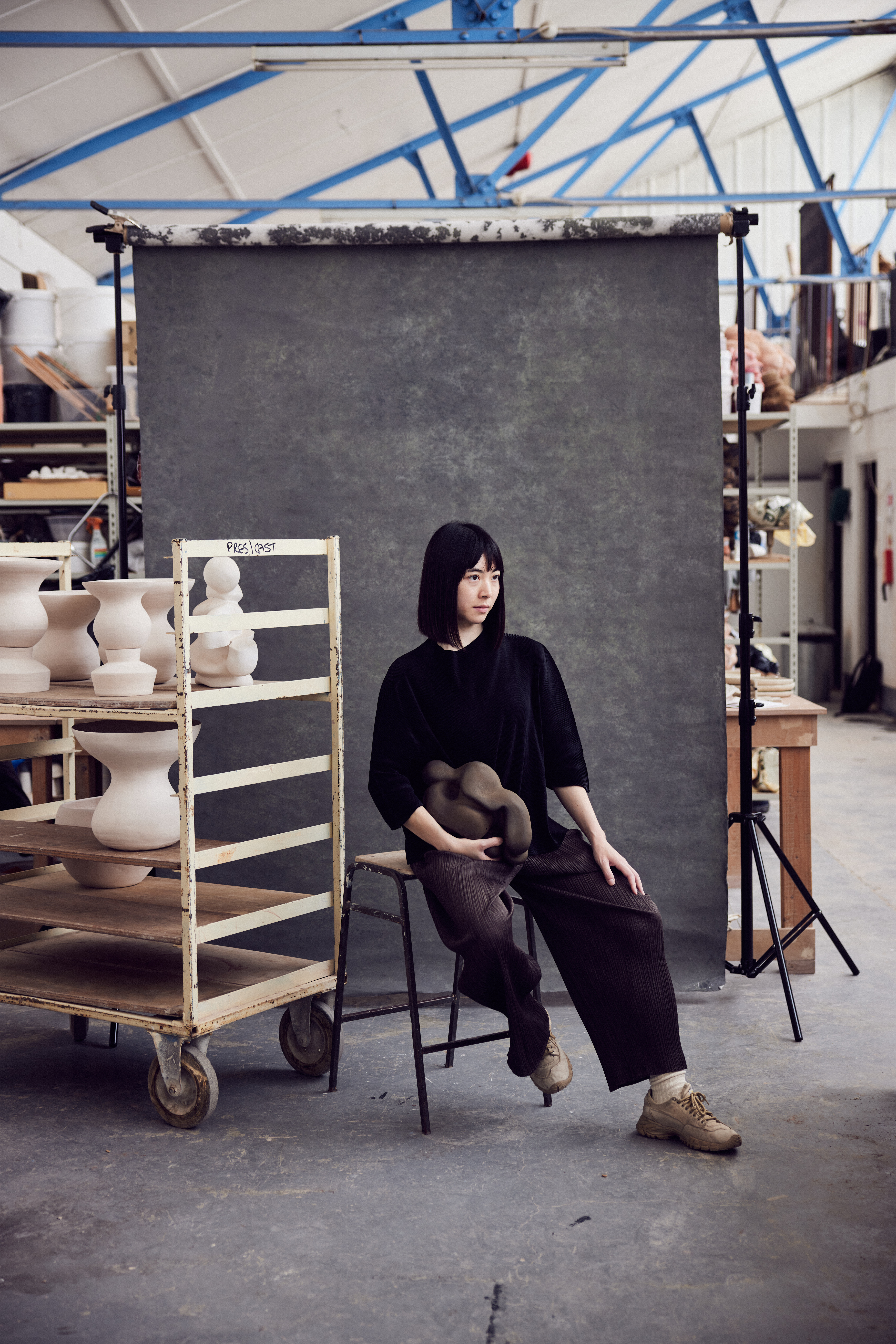
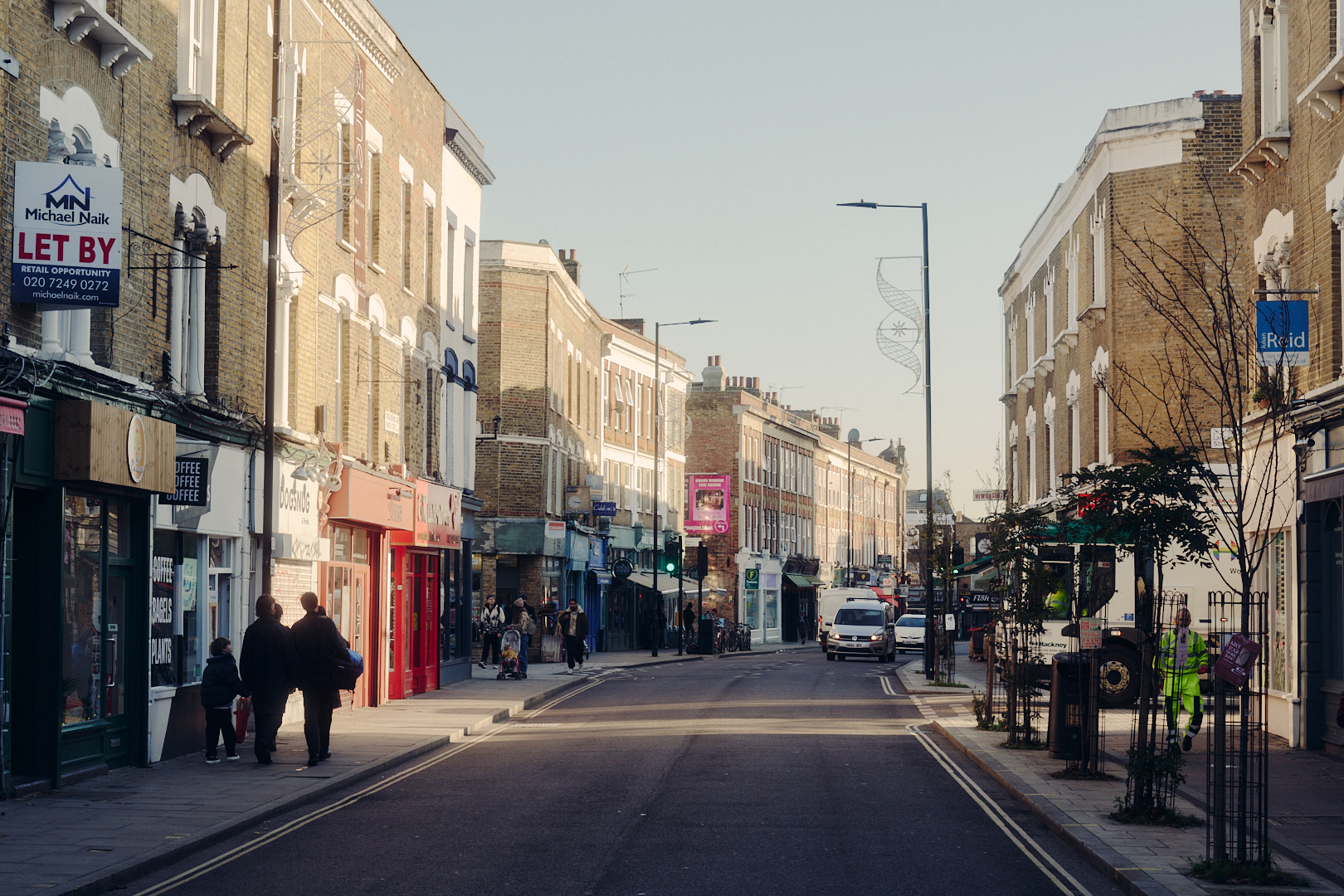
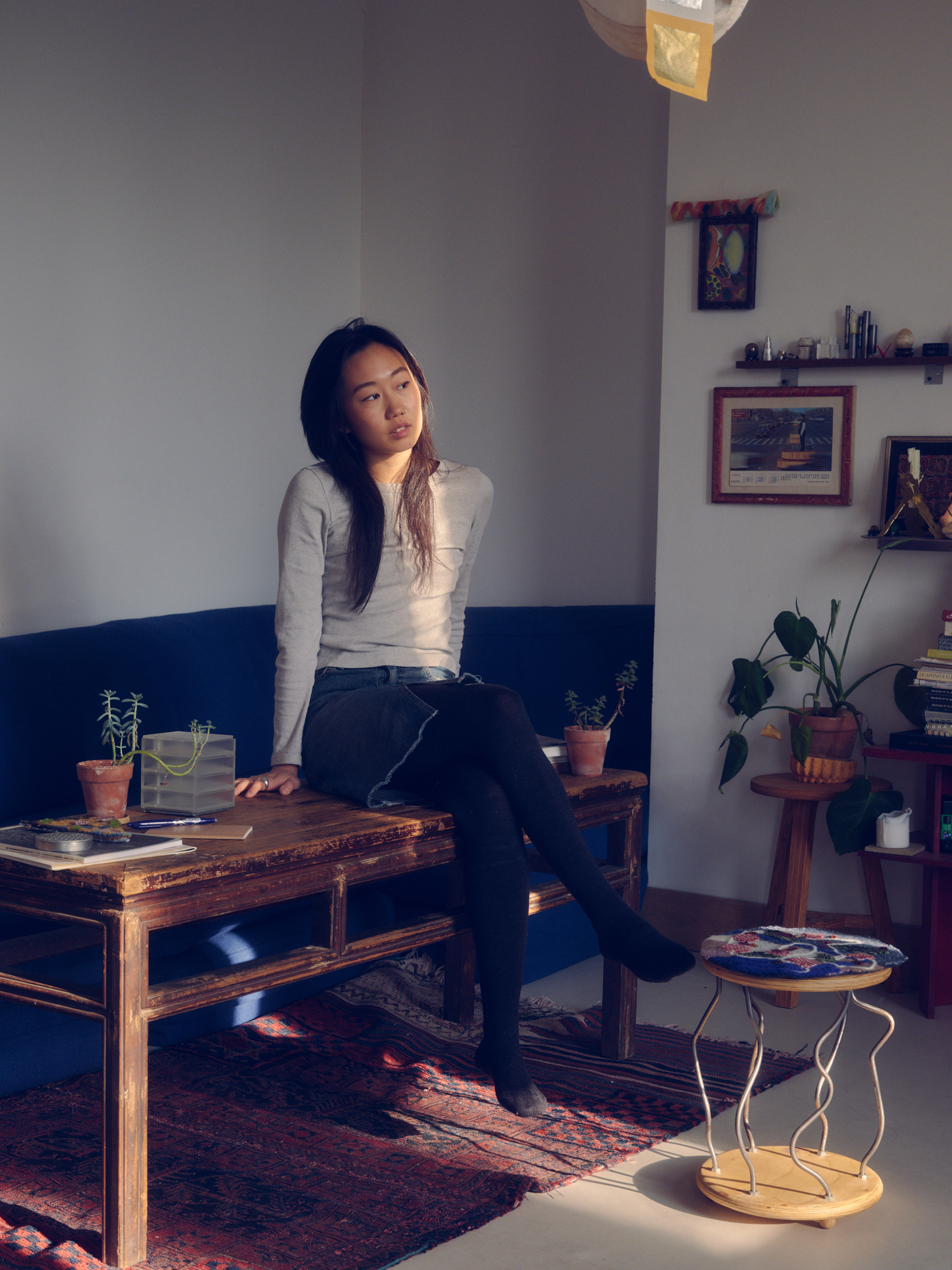
In a converted garage in Bayswater, jeweller Cindy Liu and designer-photographer Vincent Tam live and work side by side. Upstairs is home; downstairs, their studio – a small space filled with an array of found objects and the tools Cindy needs to render them into intimate objects and jewellery. It’s also where Vincent records this output through various photographic techniques, documenting finished pieces with the same reverence as a curator in a museum might handle historical artefacts.
Both trained as architects – first at Bath, where they met as undergraduates, then Cindy at Edinburgh and Vincent at the RCA – and Cinque grew out of that shared discipline. “In architecture, you’re always moving between scales,” Cindy explains. “From the city to the smallest detail. Jewellery, for me, is architecture at a 1:5 scale because it’s still about structure, tactility and atmosphere – just made to live on the body.”
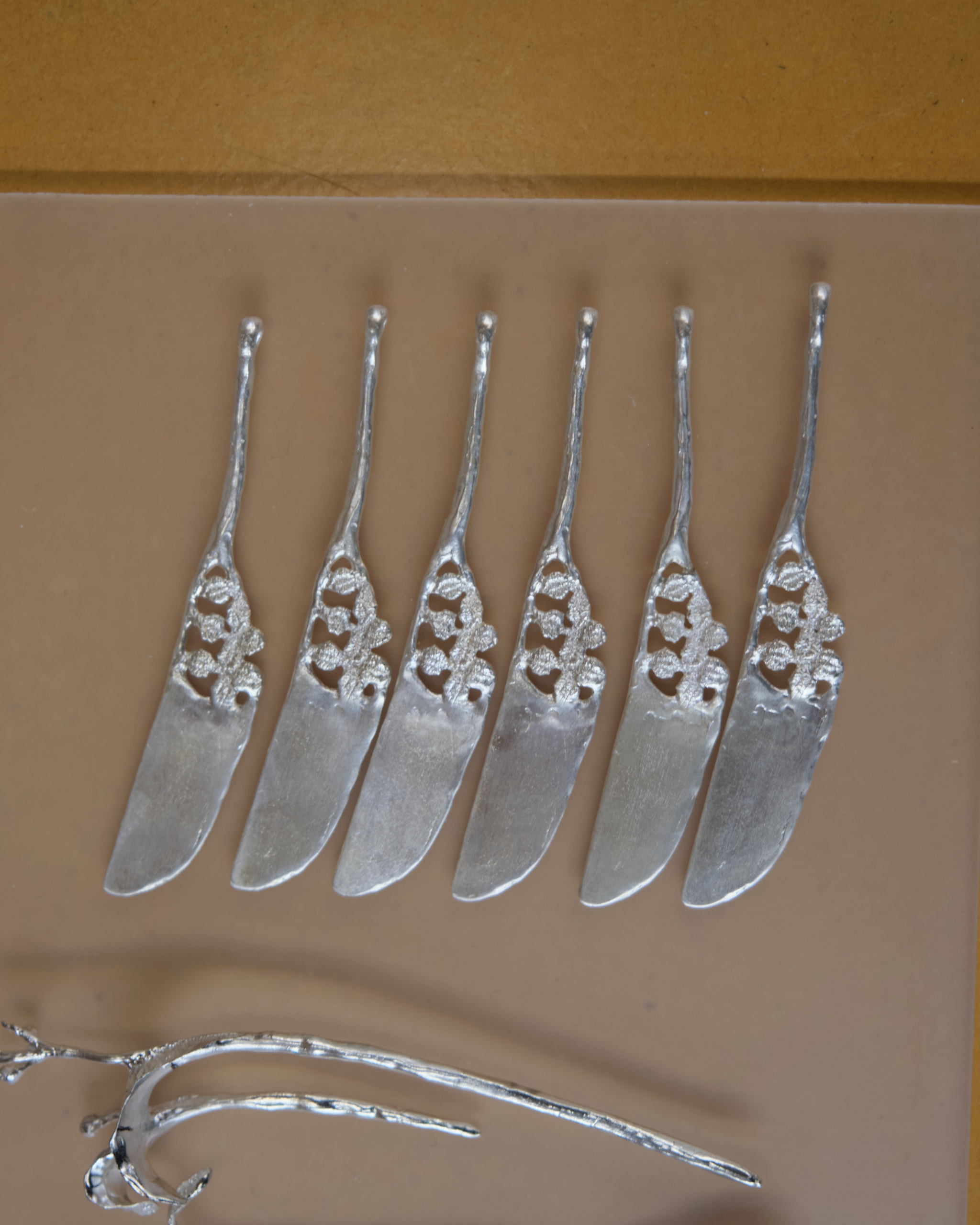
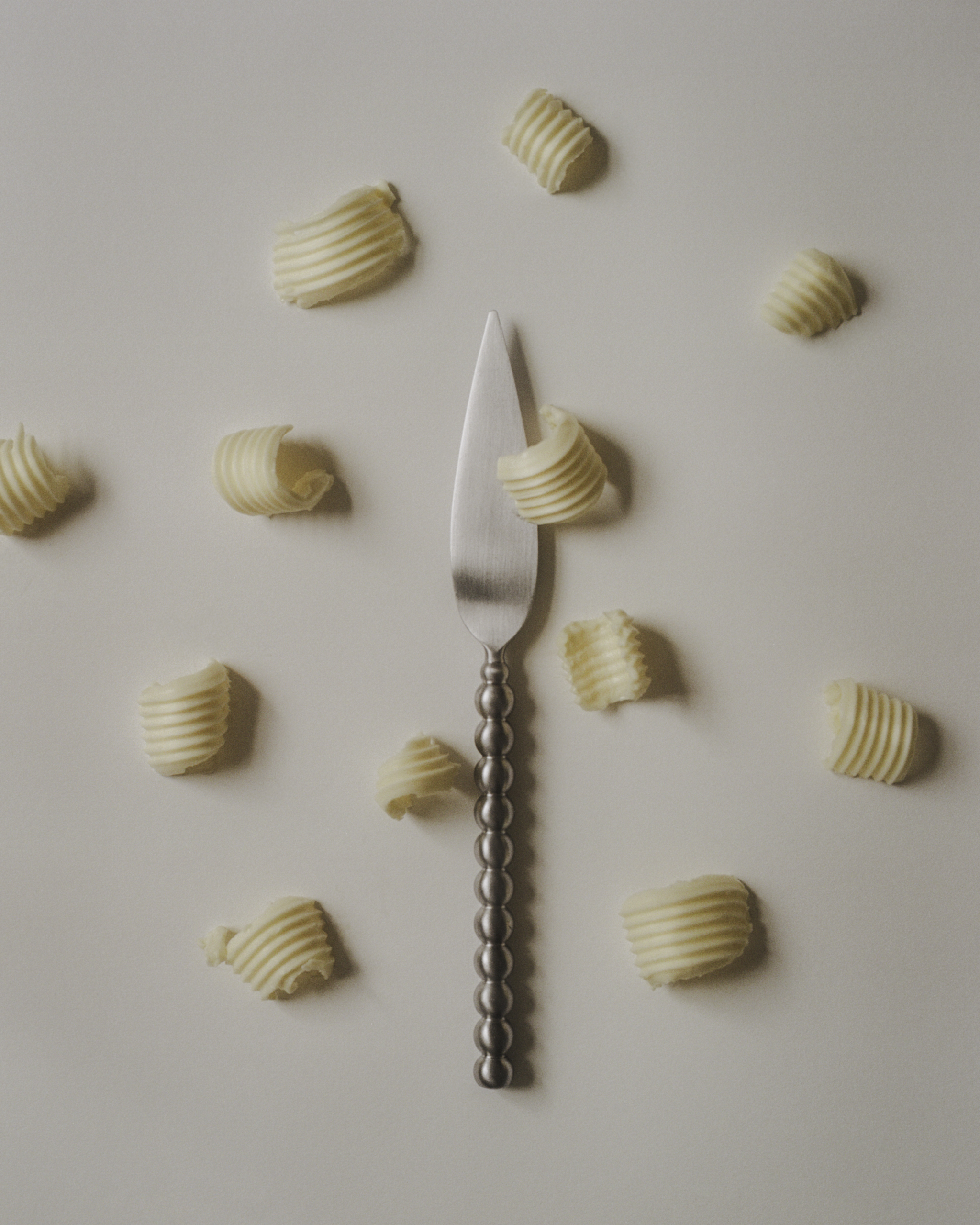
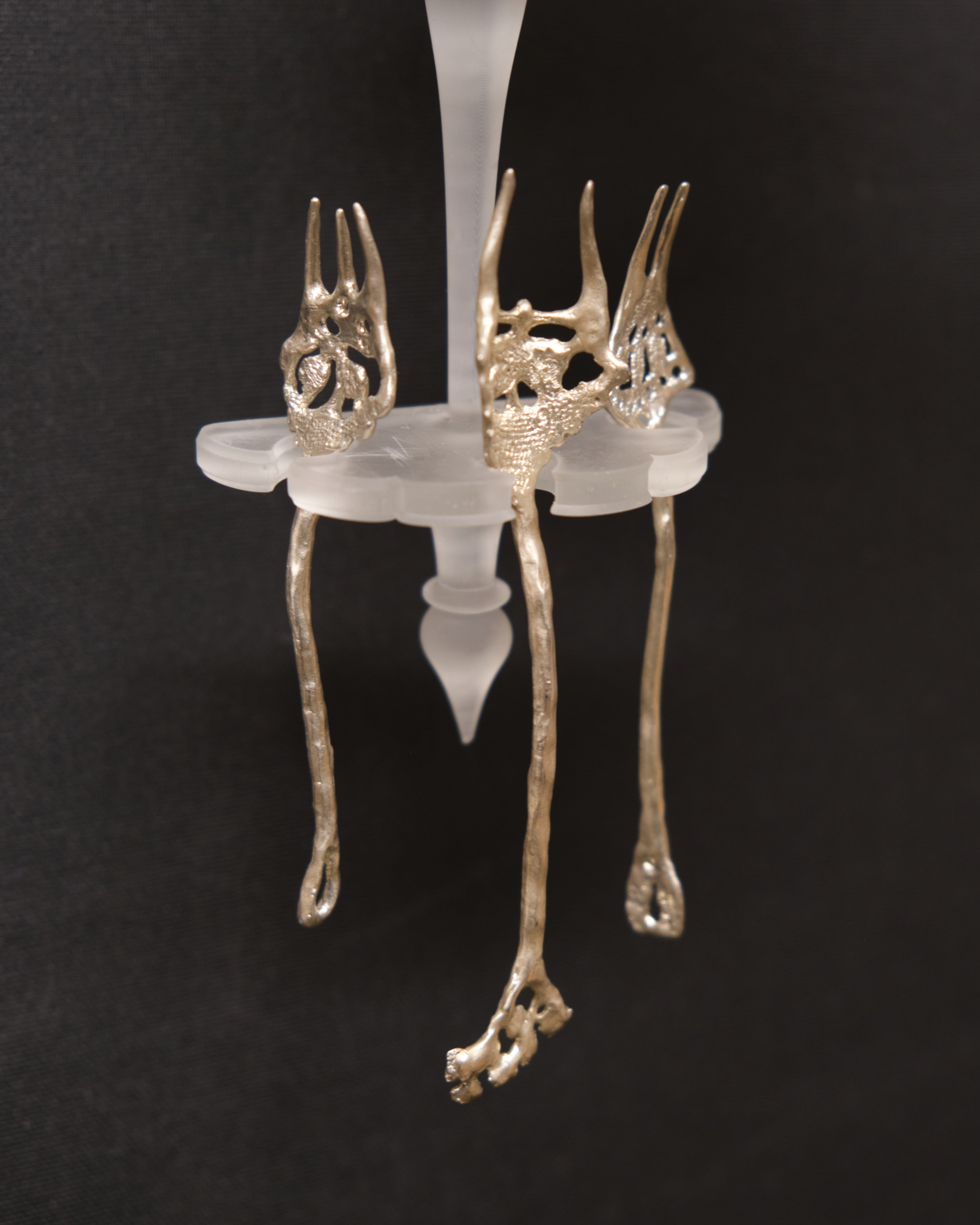
The debut series, Metal Veil, began with fragments of antique silk lace. “I wanted to freeze its softness,” Cindy says. “To turn something delicate into something lasting.” She pressed pieces of lace into warm jeweller’s wax, letting her own body temperature shape the surface before casting it in silver. The result is a set of cutlery-shaped pendants that can be worn as jewellery (“so that it’s there whenever you crave pastry or ice cream”), each one carrying the ghost of the antique fabric in a wholly new form.
Another work, Spear Ring, made in collaboration with 886LAB, investigates the relationship between digital fabrication and hand-sculpted jewellery. A shaft made from 3D-printed, plant-based resin sits within a hand-sculpted silver ring. The spear, Cindy explains, is inspired by Minerva – the Roman goddess of wisdom and protection, who stood armed with a spear and shield, a symbol of feminine intellect and strength. “I love to look back into history, to put something into the future. I would say that’s a very important function of archives in general,” she says.
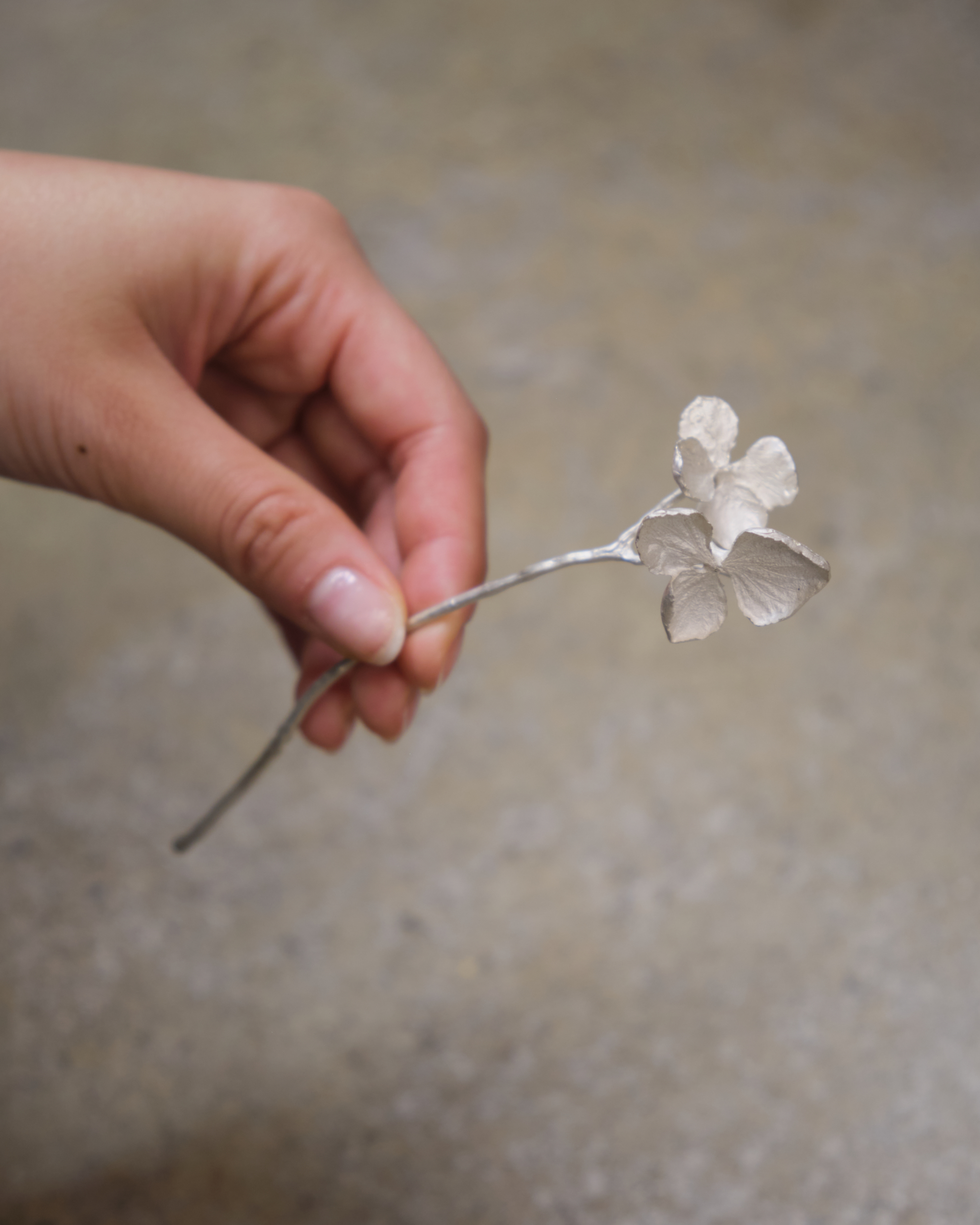
On the walls of the studio are the archival objects that give rise to the collection: silver spoons, shells collected from travels, fragments of textiles. “I love finding broken shells,” Cindy says. “They exist for a short moment before they turn into sand.” This fleeting state was captured in the Shell Candle & Card Holder, hand-sculpted in wax and cast in silver. It’s not a direct replica, with Cindy’s hands creating a new form that carries echoes of the original. This act of making something new, rather than replicating, is important to Cindy, who finishes each item with a hallmark – “I love the way it registers the birth of every piece,” she says.
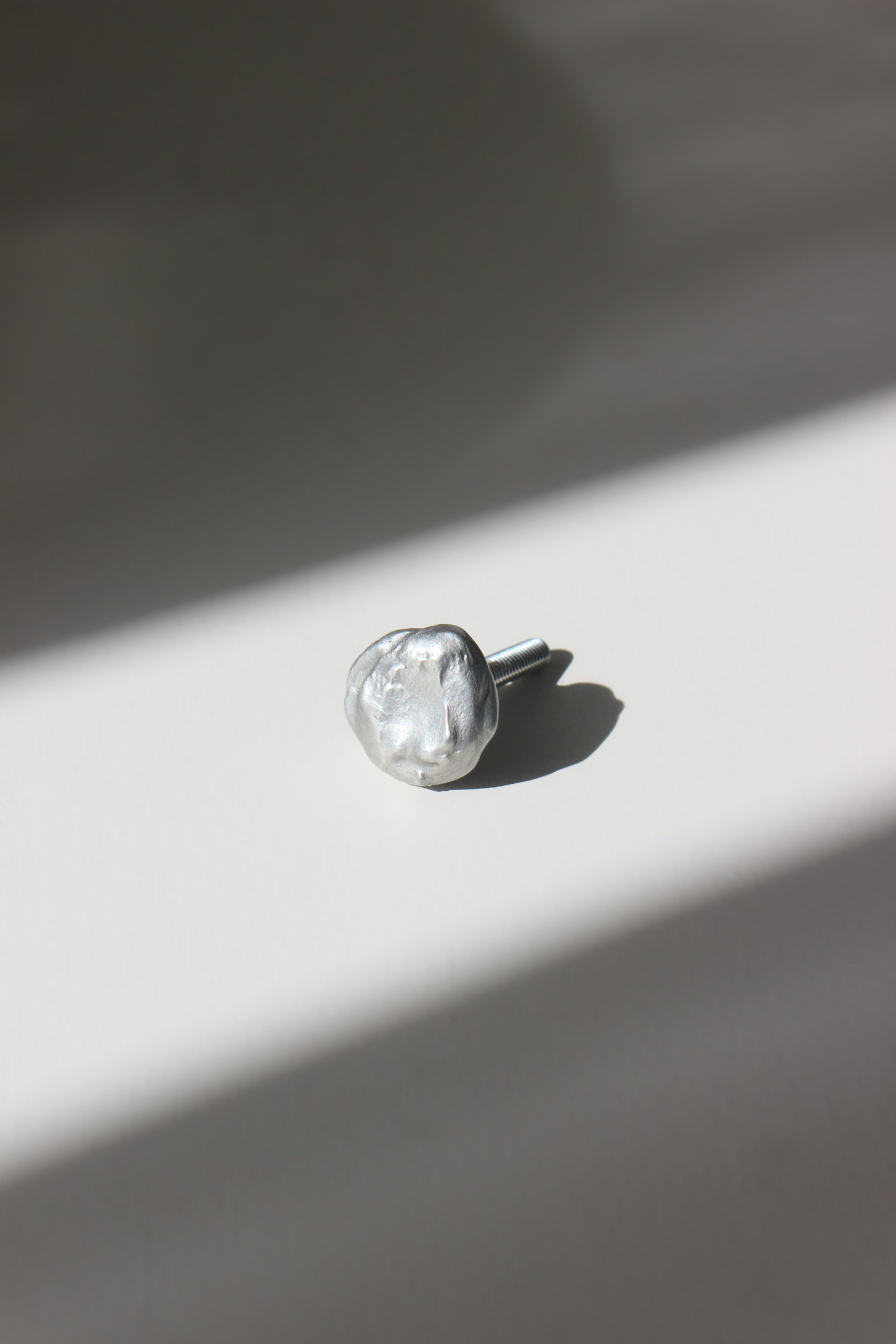
For other pieces, found material has provided the starting point – such as a project that saw Cindy melting down discarded aluminium window frames, sand-casting the metal into pebble-like candleholders. Irregular and organic in form, they are pieces inspired by nature, but made from material relics of the city.
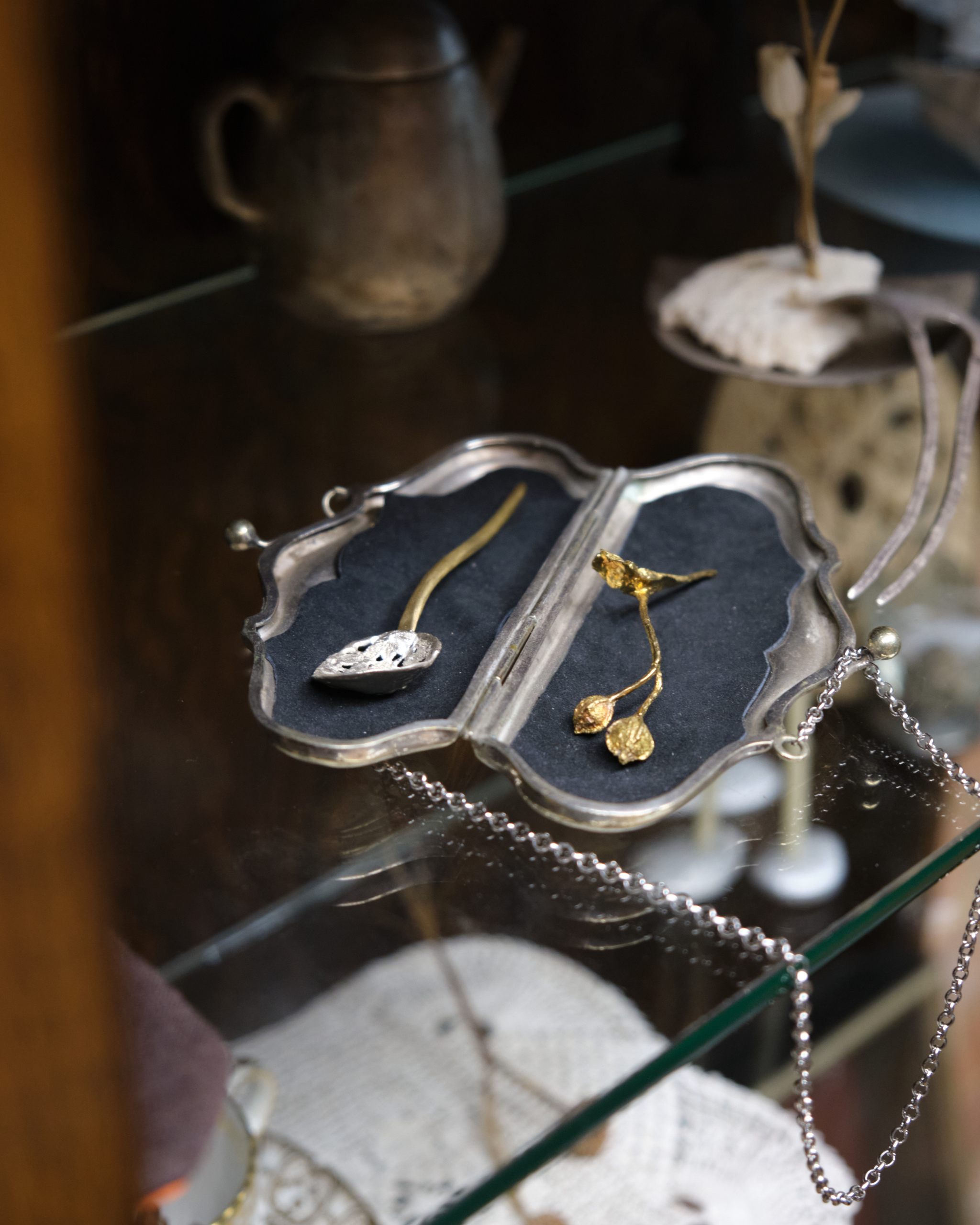
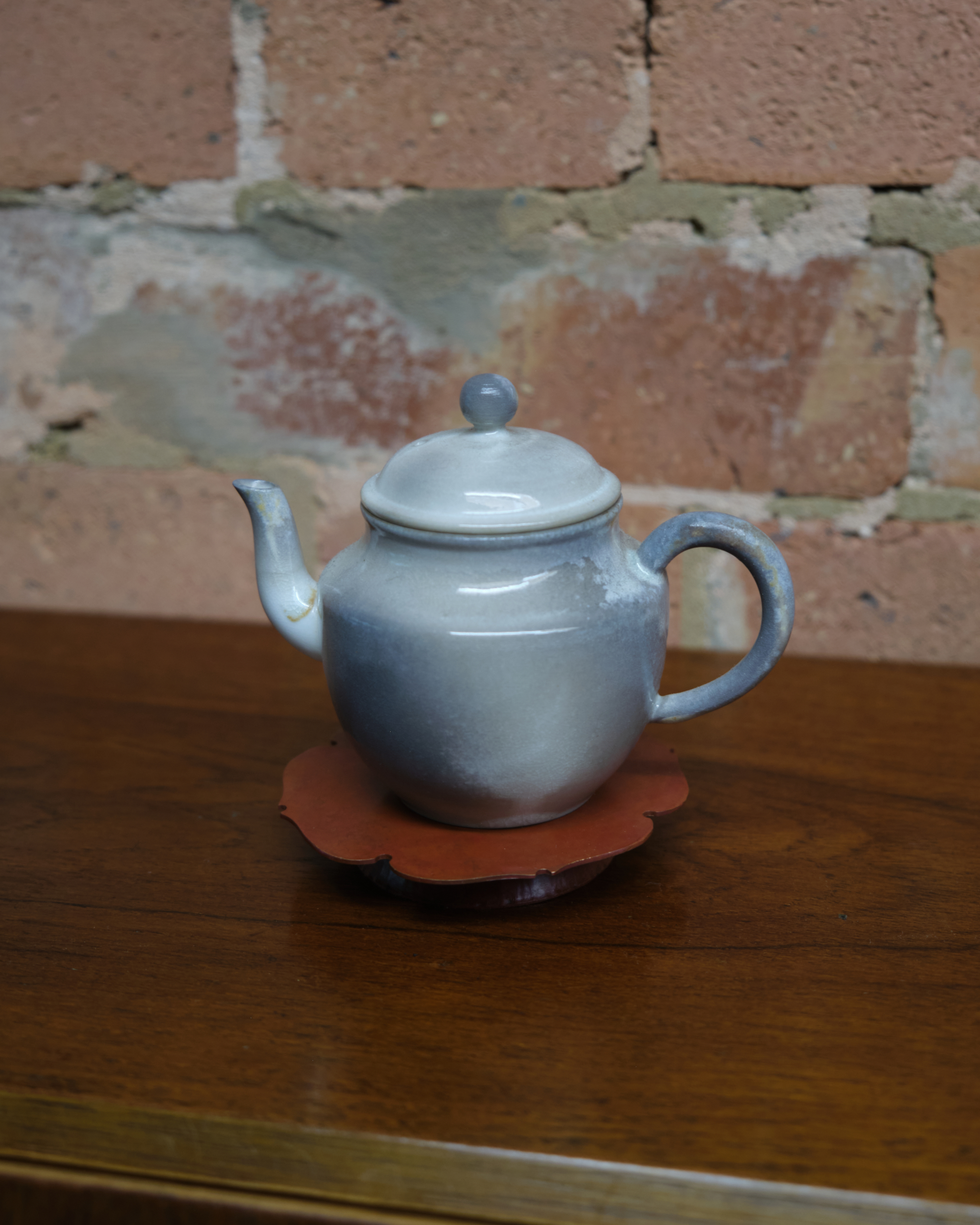
Vincent’s photography brings another layer to Cinque’s practice. “We treat each object like it’s getting an ID photo,” he says. “We look closely first – that’s how you find the beauty.” Some images are made through scanners rather than cameras, a nod to the archival processes that inspire Cindy’s work. “Scanning feels more like recording than documenting,” he adds. “It preserves.”
The result is a body of work that blurs jewellery, design and architecture – objects that hold an embodied memory, preserved and reshaped by Cindy’s hands. “I think we’re both drawn to what’s been forgotten,” Cindy reflects. “Through making, we allow it to speak again.”