The State of Design? Designer David Searcy Has Thoughts
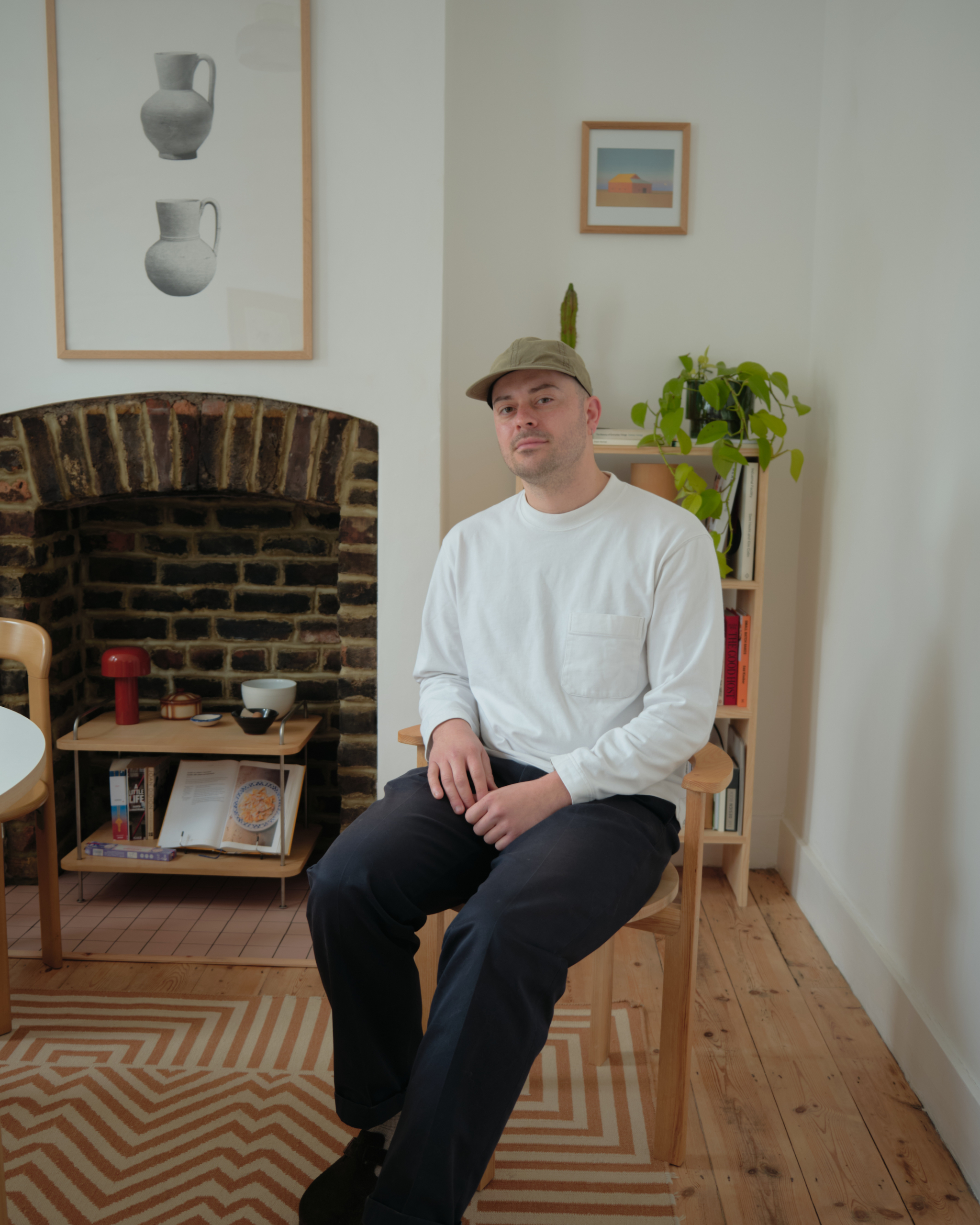
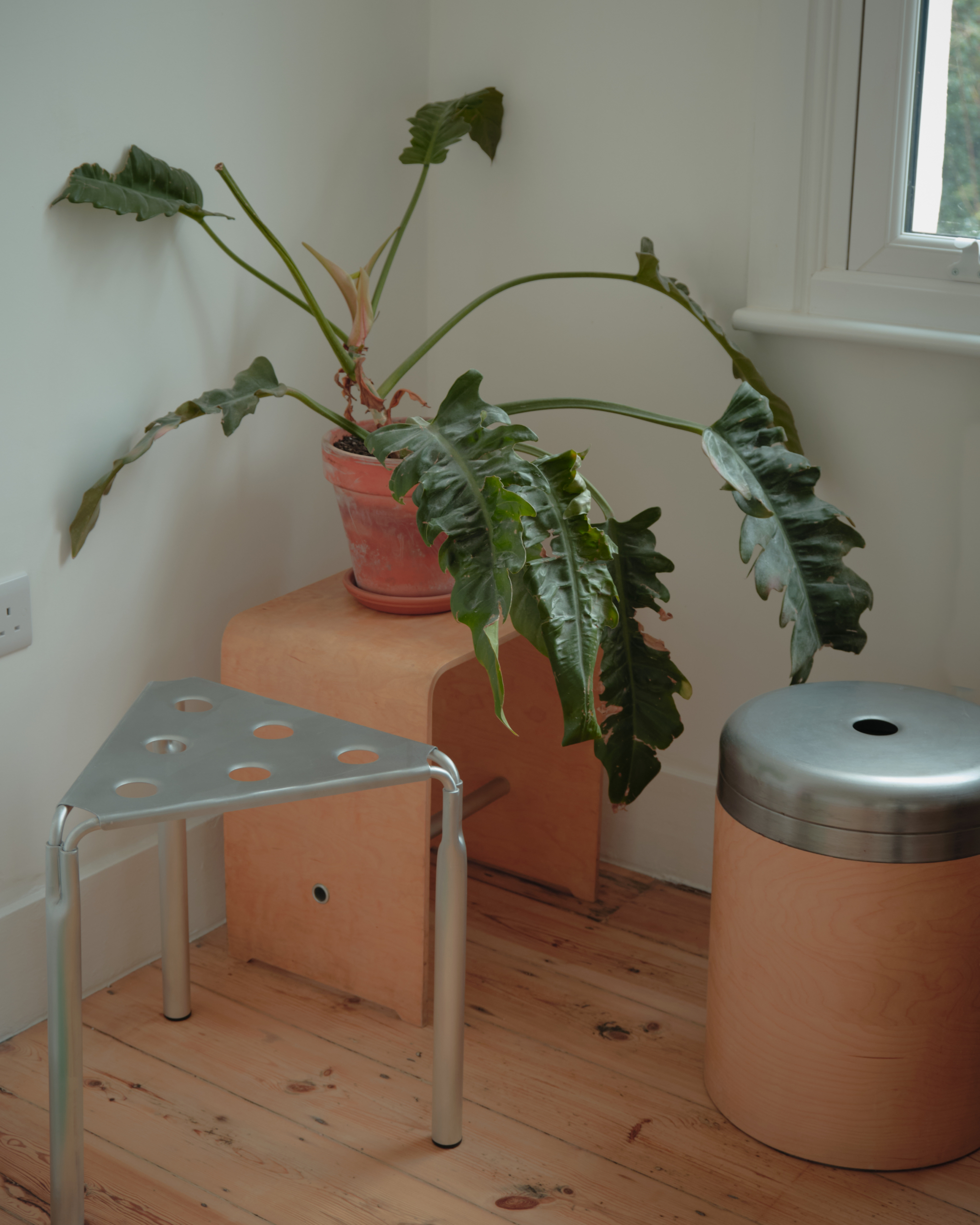
There is a stool made by industrial designer David Searcy in his home office in Plaistow, east London, that distils his whole ethos, offering a shortcut into the inner workings of his mind. The Crimp Stool is made entirely from aluminium parts that come together without welding or fixings. It is lightweight, stackable, entirely recyclable, and its uses are only limited by the imagination: something to sit on, a side table, a platform for plant pots or perhaps a step to reach a shelf. “Does it make someone’s life better?” is the question Searcy designs from, and the stool is a resounding ‘yes’ in physical form; something made without ego to be a useful and beautiful object.
Working as an industrial designer, Searcy is “interested in things that are accessible, affordable”, an endeavour he thinks is becoming harder in a design industry defined, like many others, by the need for showmanship in an attention-based economy. “Much contemporary design prioritises style and performative gesture, rather than proposing alternative modes of living. Simply put, there is a growing disconnect between design today and the reality of the world it promises to serve,” Searcy writes in his short essay Why Don’t We Talk About Design Anymore?. He references, without romanticising, the post-war spirit of the last century, when visionary individuals founded brands and worked with young designers “who had no name but brought something to the table.” These days, he says, “it seems to be more about the profile of the designer and if they are marketable”, a situation that leaves many young designers struggling to cut through, wondering, “Shit, how do I make a career?”
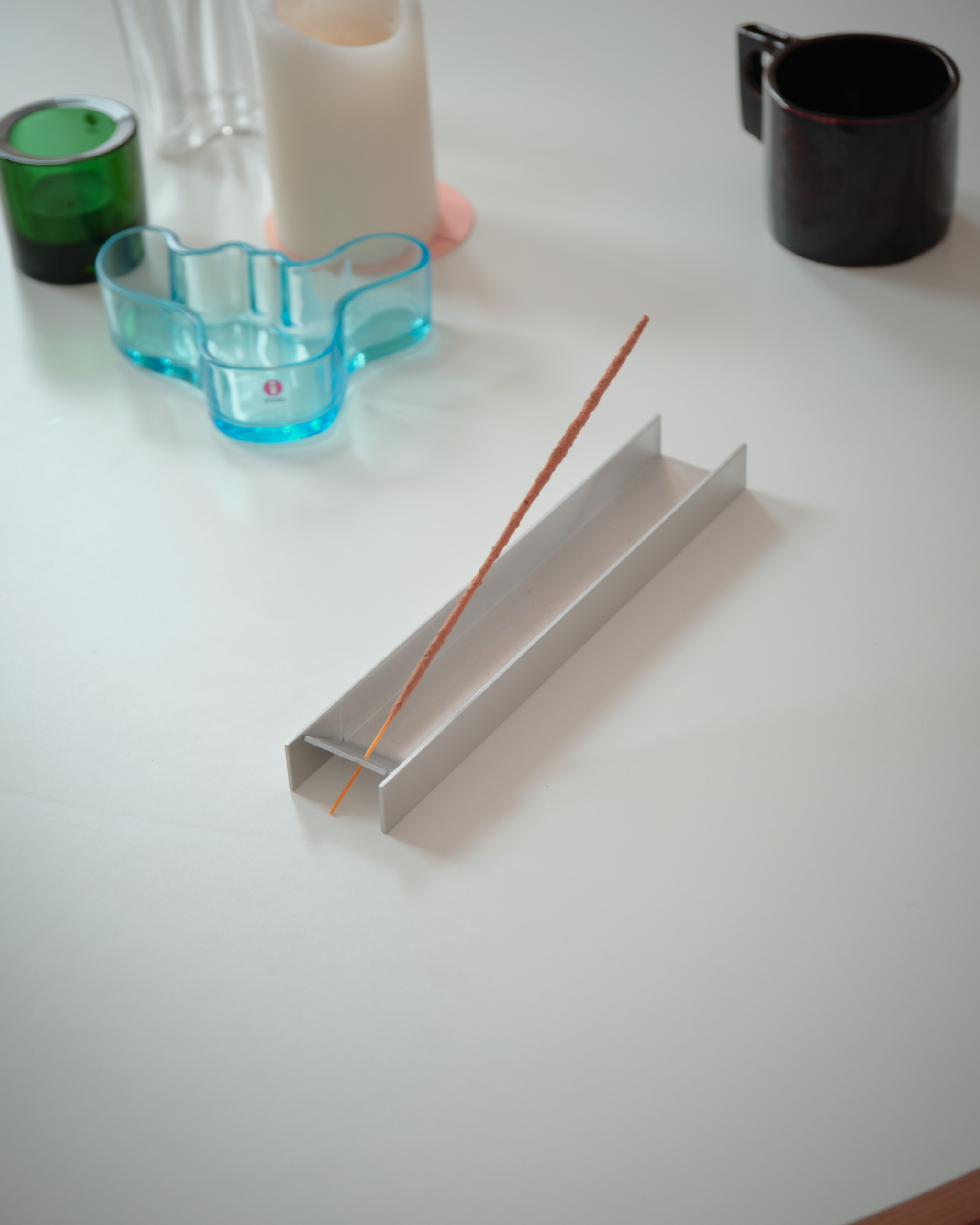
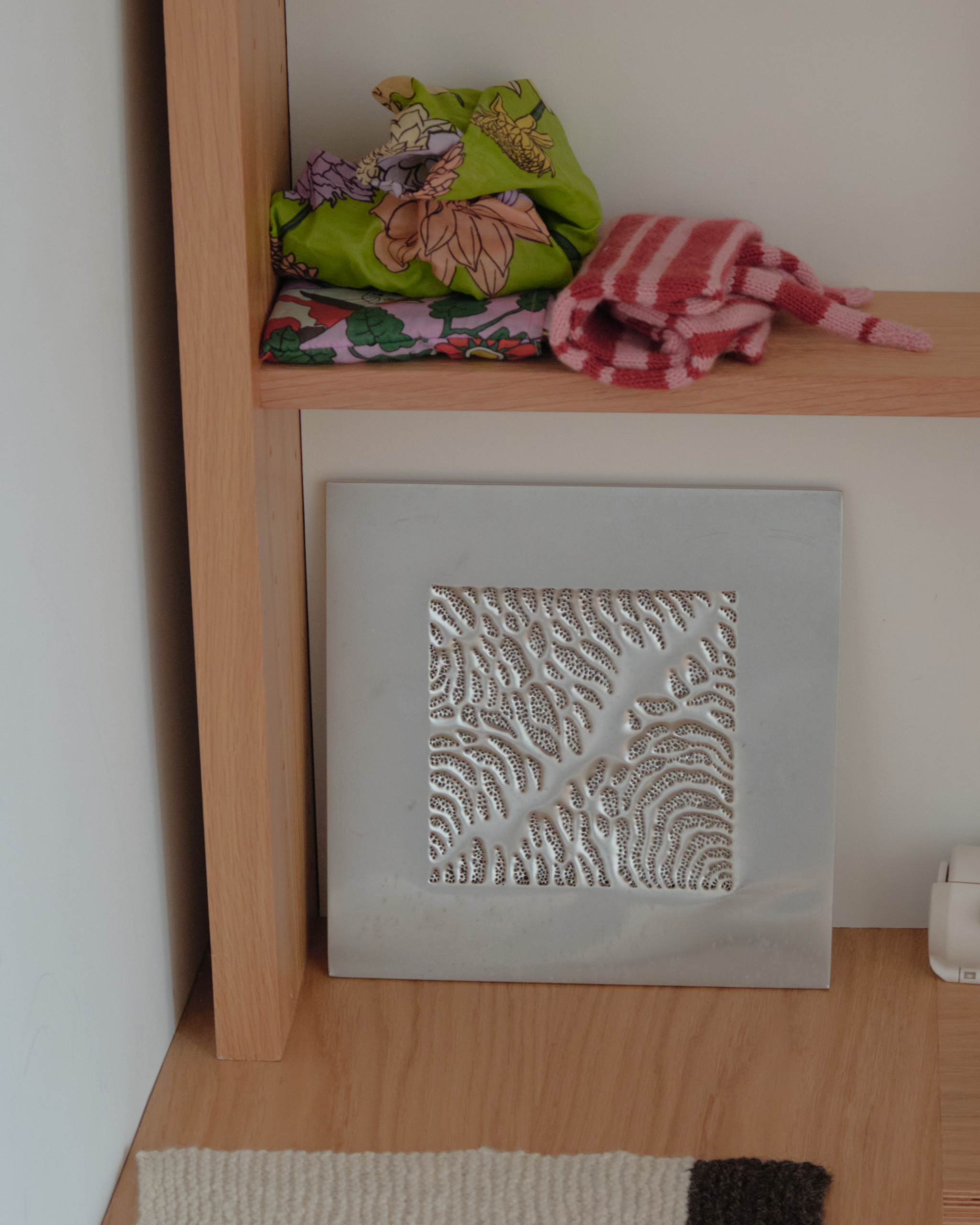
Where his peers have answered that question by turning to making work at the more collectable end of the design spectrum (a decision he understands and is decisively uncritical of), Searcy, “not really willing to compromise on how I feel about design,” has stuck largely to self-initiated projects that he pitches to manufacturers, a path that comes with “a pretty low success rate, but that’s how it goes” he says. But there have been some successes, like his Channel series, spanning an incense holder and a tray made from a single piece of standard aluminium channel section, lightly manipulated into functional, everyday objects with a simple elegance.
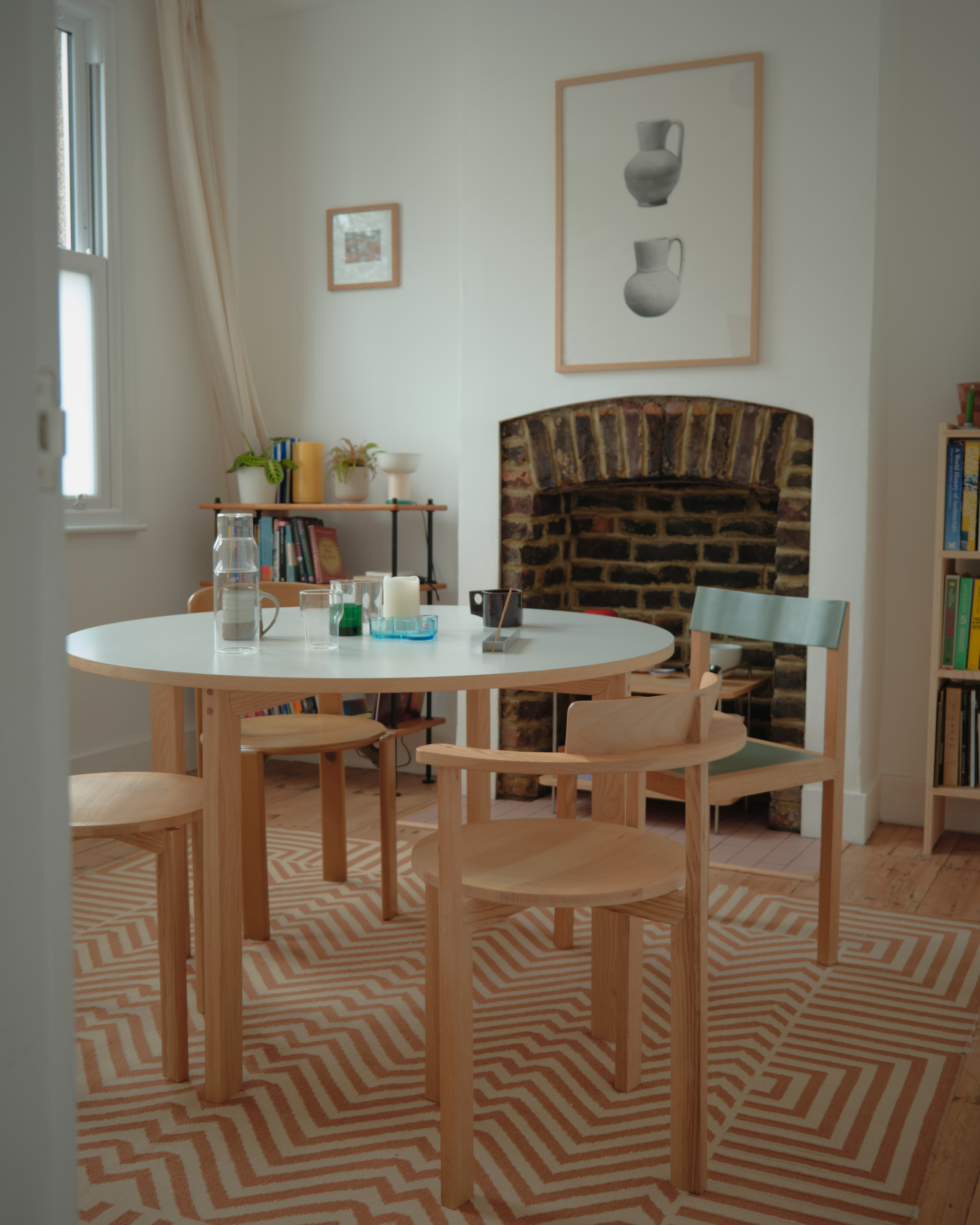
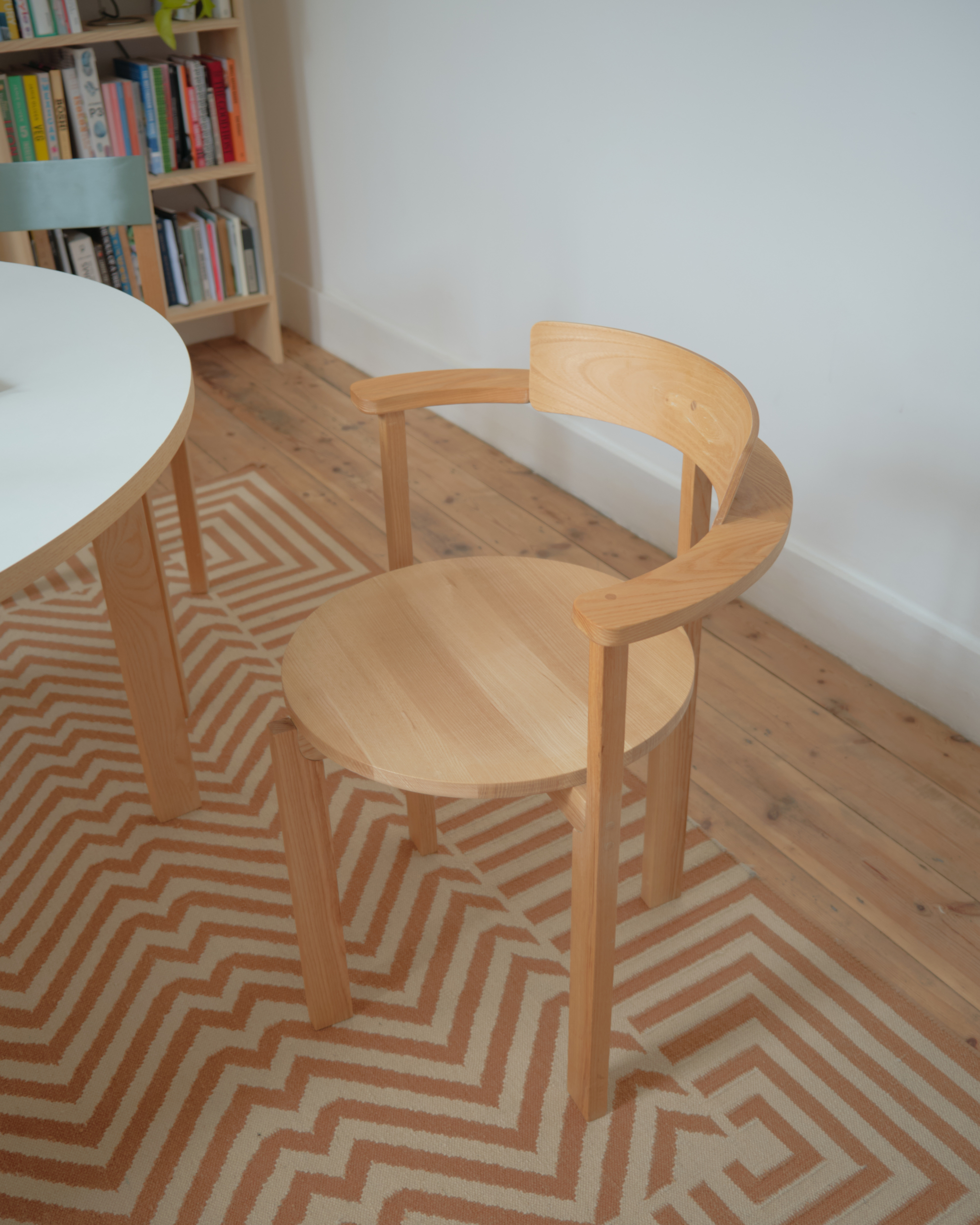
Anyone familiar with the Japanese mingei movement won’t be surprised that its ideas have had a big influence over Searcy’s outlook. Figureheaded by Yanagi Sōetsu and his son, the industrial designer Sori Yanagi, the movement’s teachings are distilled in Sōetsu’s book, The Beauty of Everyday Things, which makes the case for hand-crafted things for daily life, made by anonymous makers, and whose beauty arises from their functionality. Along with his Crimp Stool and Channel series, Searcy has made a number of other products in the spirit of mingei, including glassware, an armchair and a table-and-chair system, all the result of close attention to function, manufacturing and form.
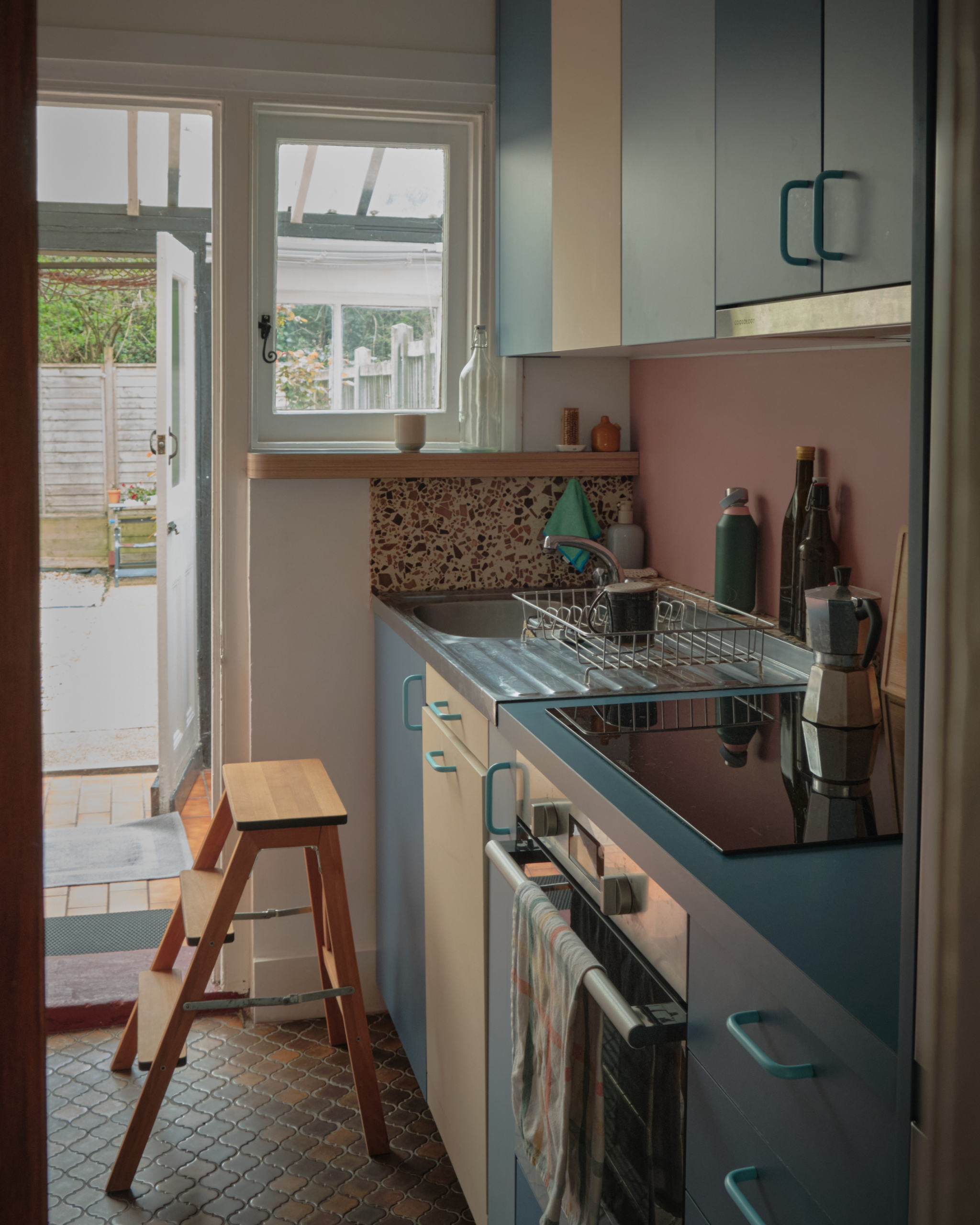
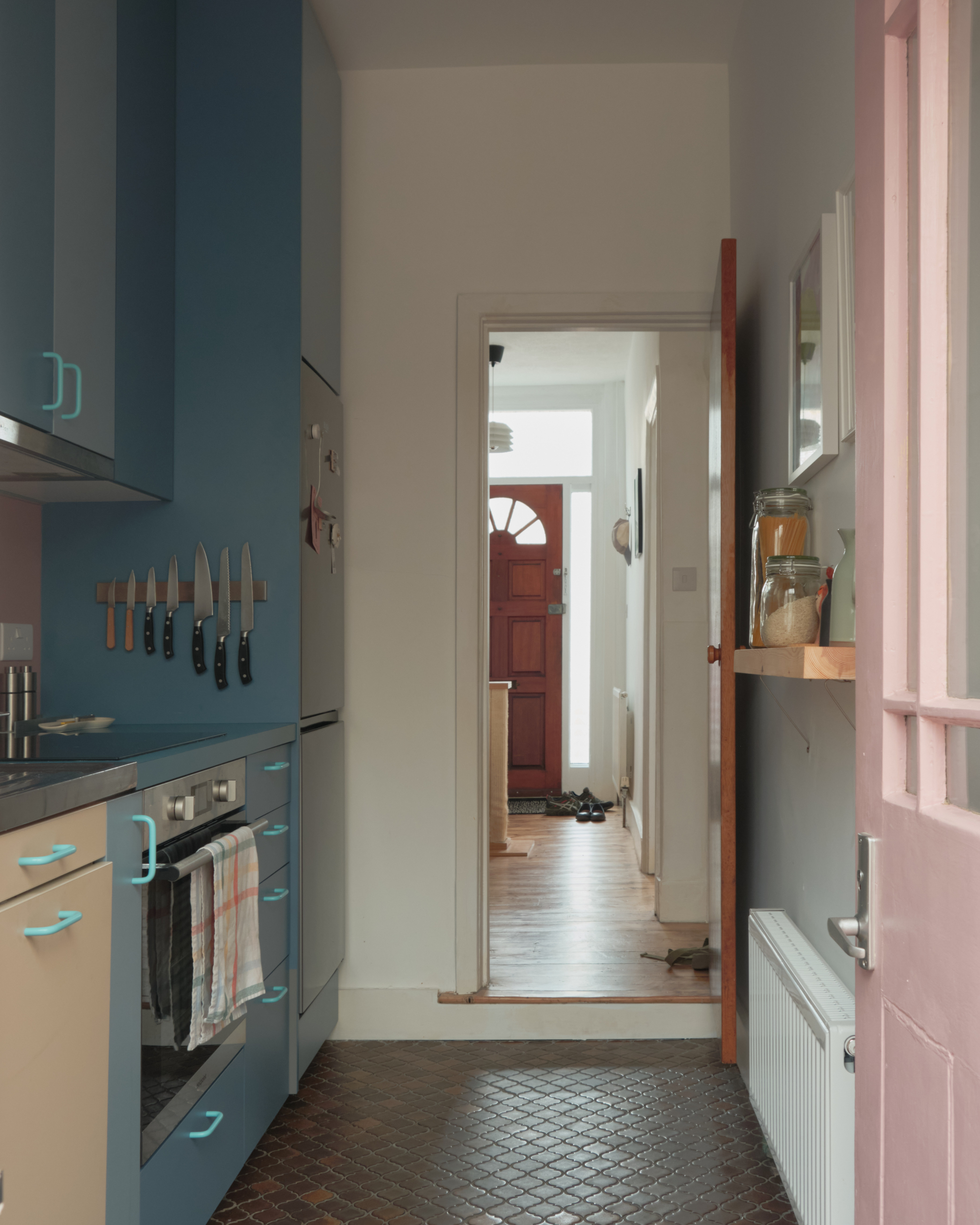
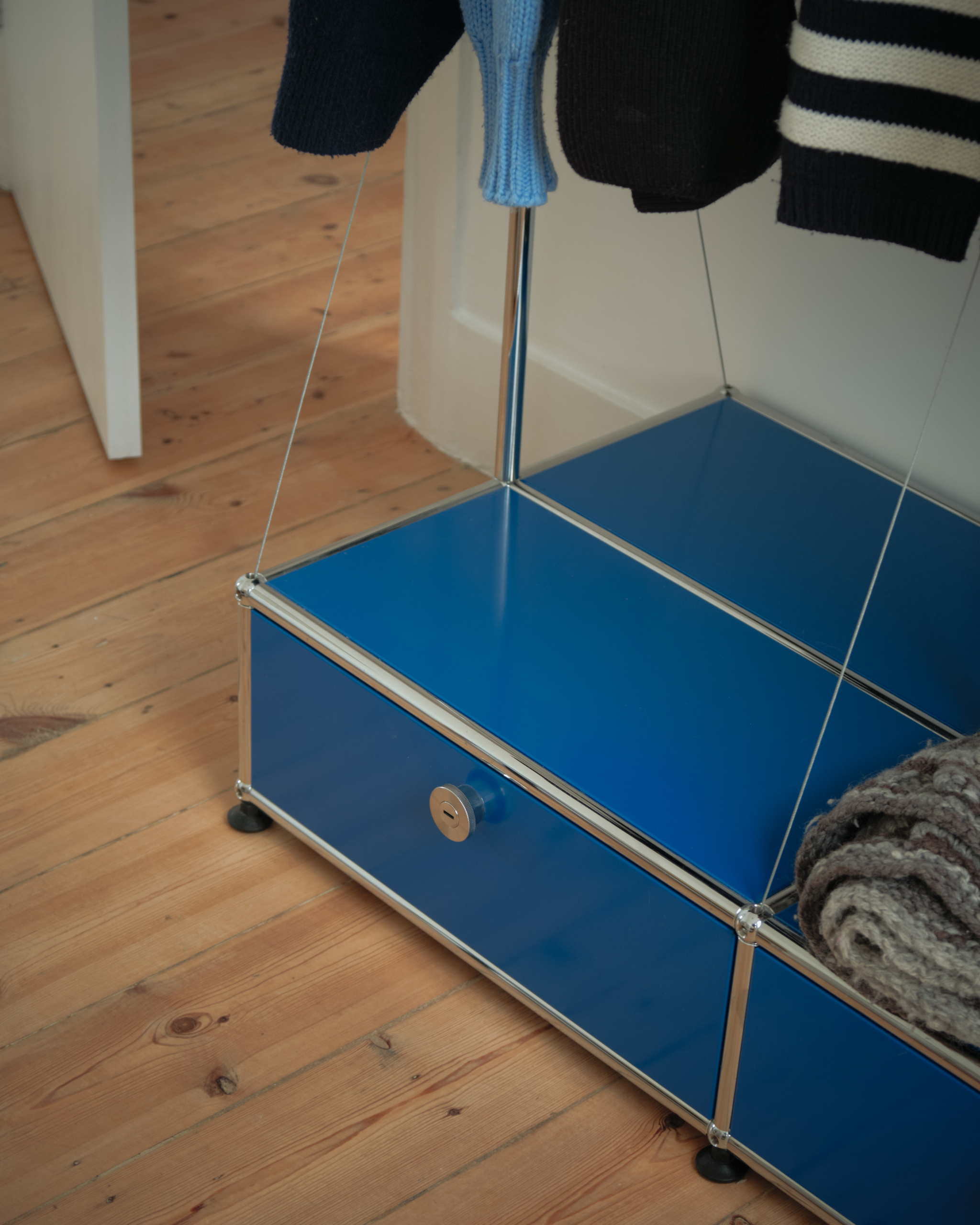
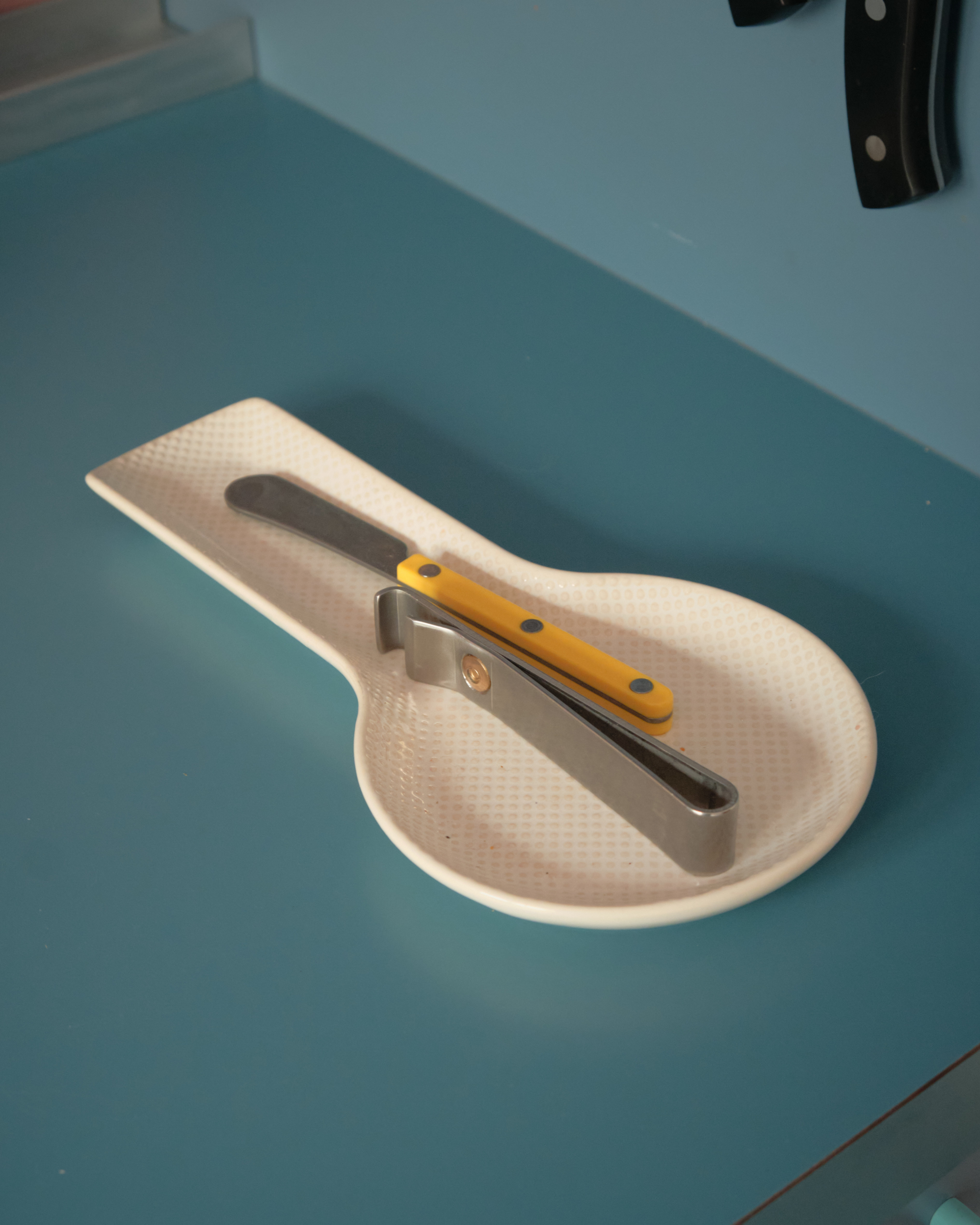
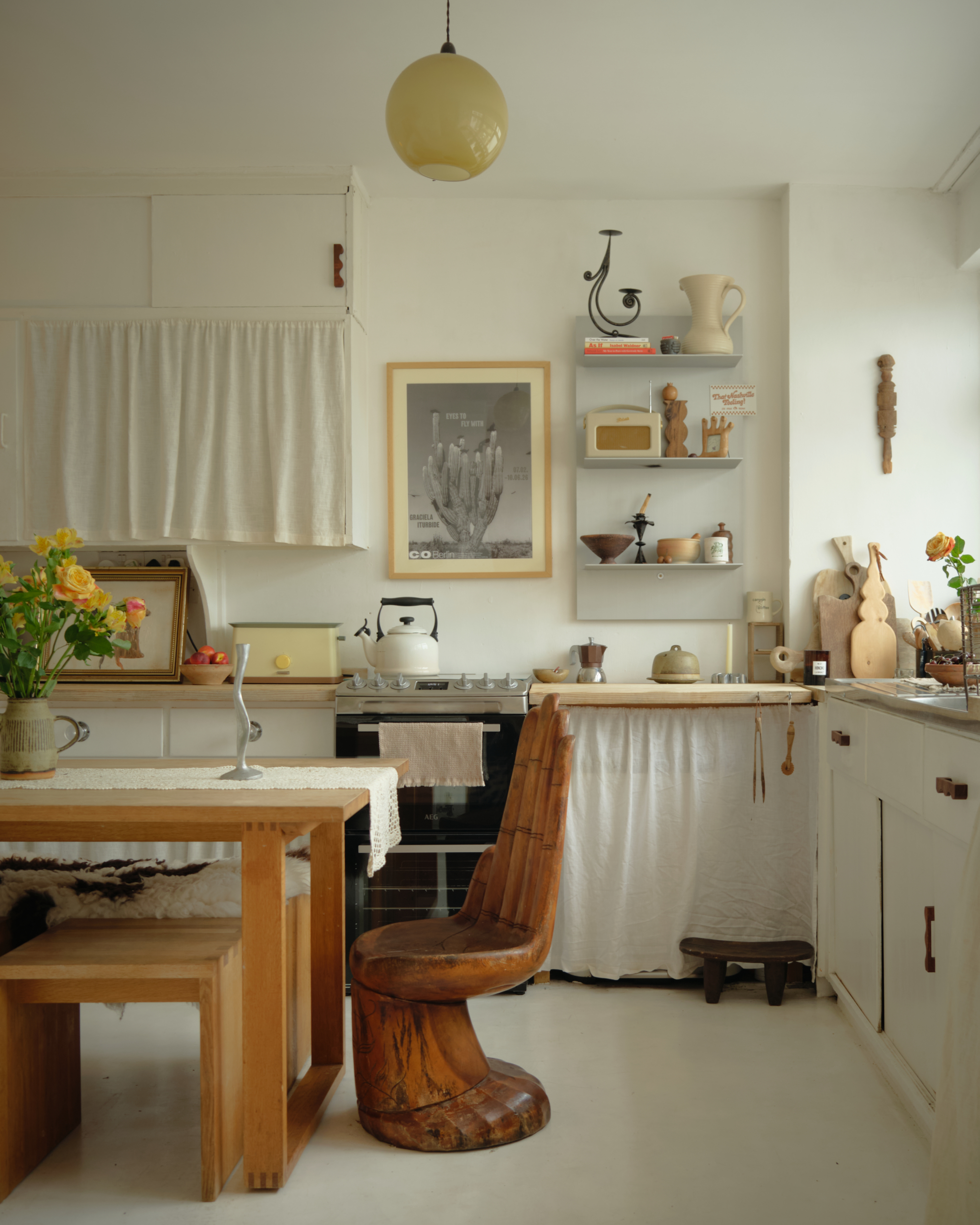
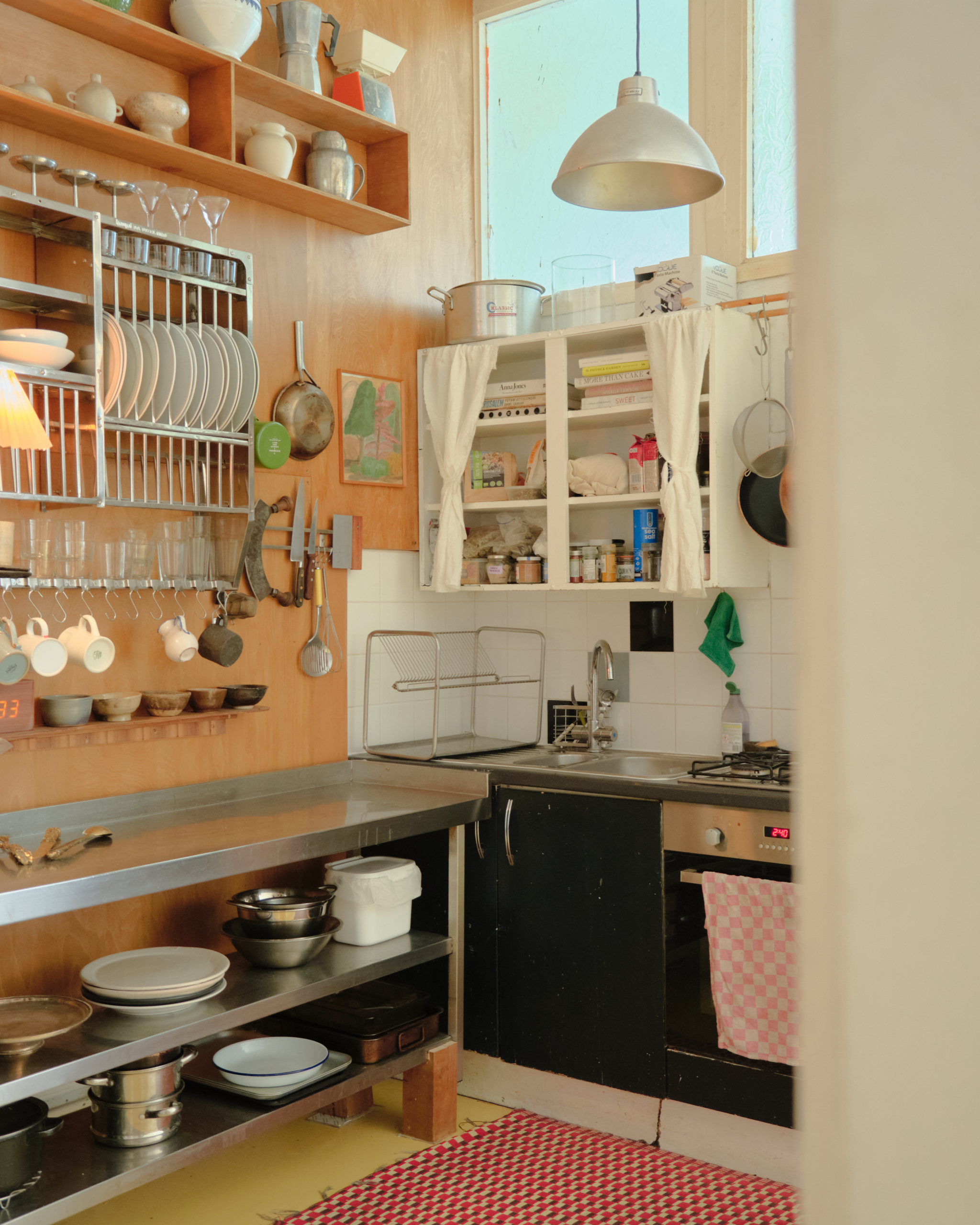
Searcy is such a devotee that he even has a ladle by Yanagi hanging on his fridge, arranged next to magnets picked up by friends on holiday. We’re standing in the kitchen, a space that initially put Searcy off the house when he and his girlfriend, Martha, were looking to move in together last year. “I saw the kind of patchwork kitchen in a thumbnail image, and I just thought someone had done like the worst hack job ever,” he says, laughing. On closer inspection, though, the couple noticed that “it actually had been done properly,” and when they came to view the place, they knew instantly they wanted it. With white walls, wooden floorboards and custom joinery by the carpenter landlord, the place stood in sharp contrast to some of the other rentals they had looked at.
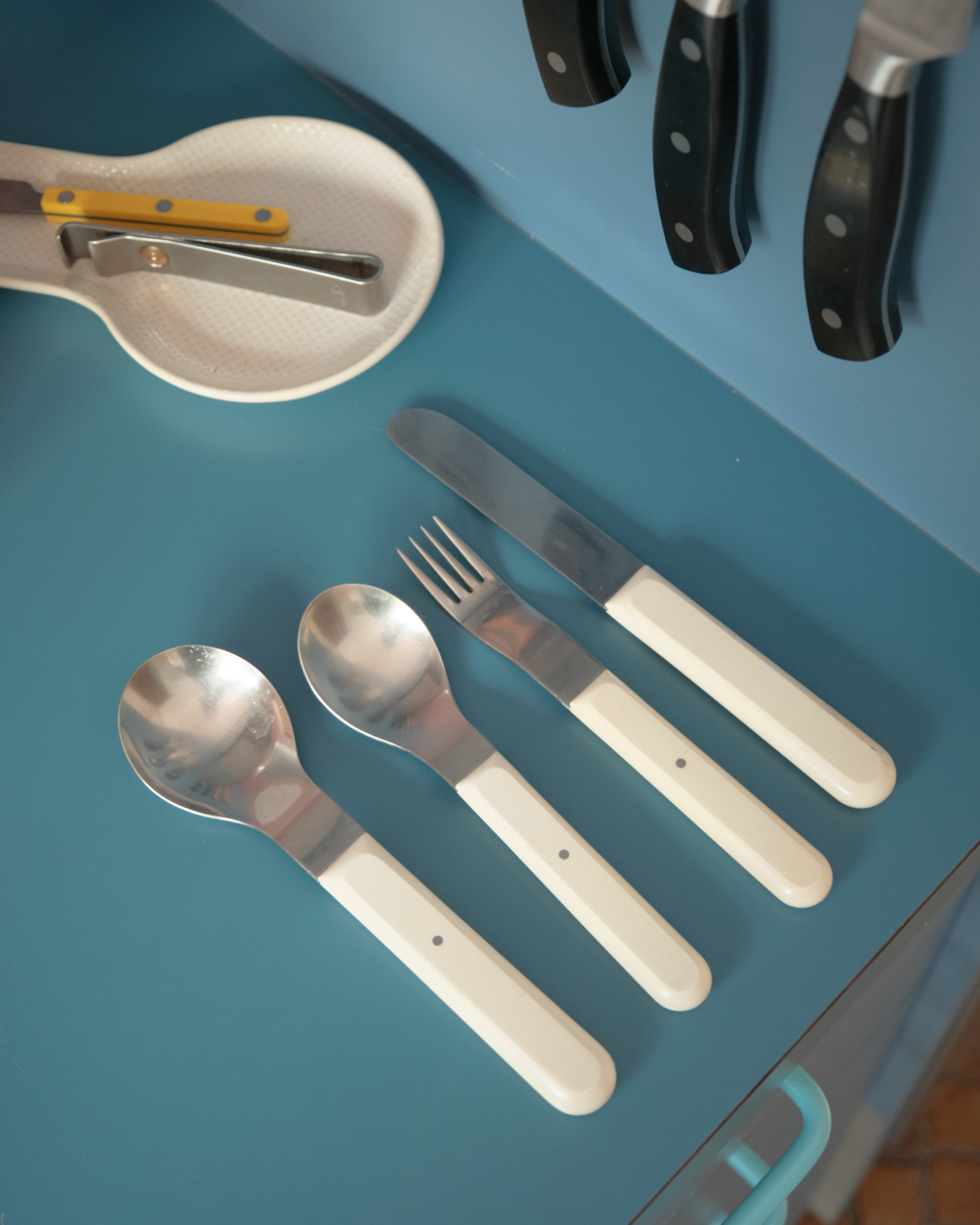
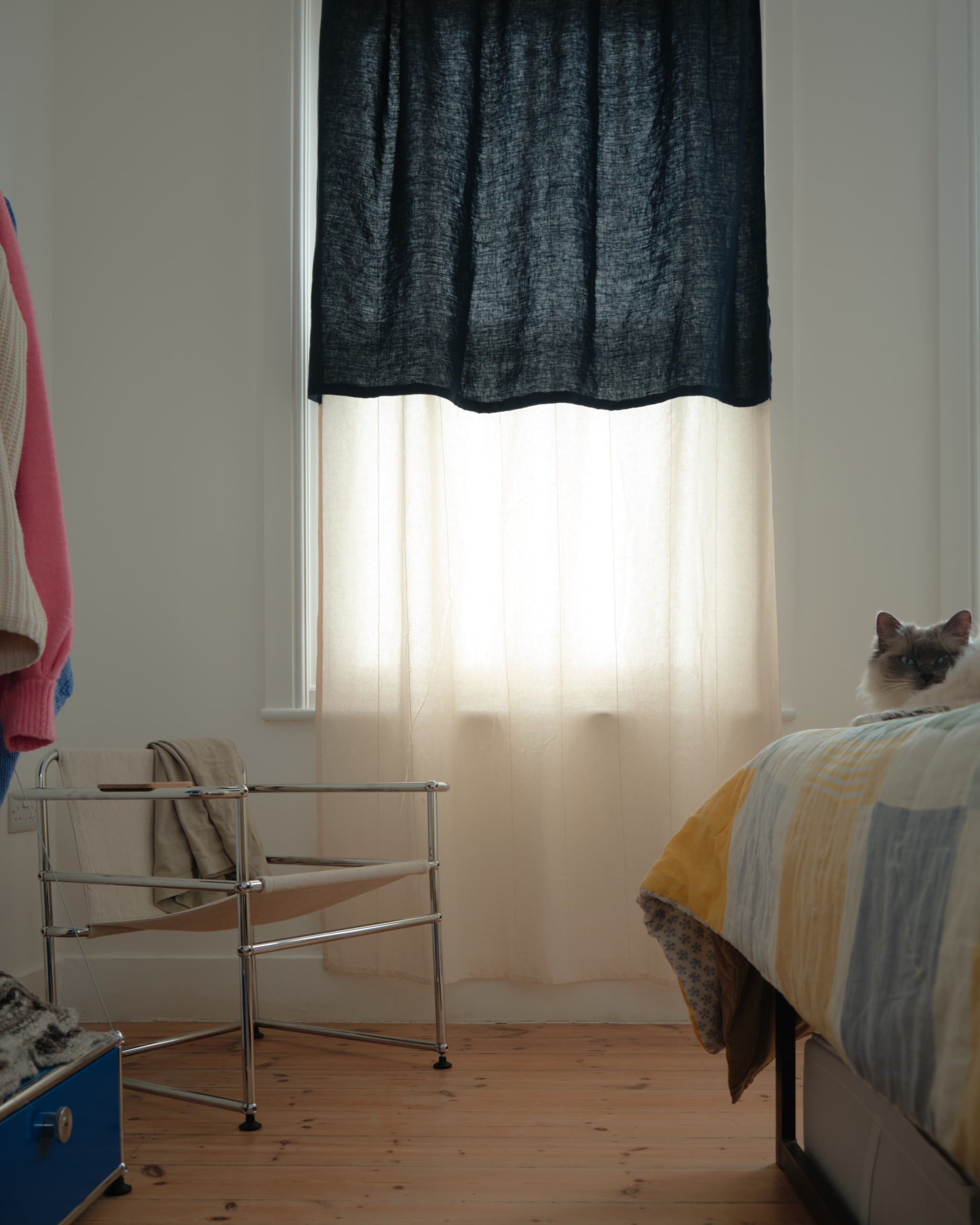
The house also fulfilled their requirement of needing at least two bedrooms and a garden, not only for Searcy’s making projects but also for their cats, Patty and Selma. Searcy was in Leyton before, but their search for more space led them to Plaistow. “The logic for me was, I’d rather pay a little bit more rent and have an office at home that I’m going to use more often than have a studio space,” he says. The house itself is providing a useful stage set to live with prototypes too, such as a collapsible lamp currently in development. “Living with prototypes is a good way to move beyond a simple ‘I like it or I don’t’, because you see the qualities of an object come through,” Searcy says. “The quality of the house is a nice setting to kind of view them in – not against grey carpet anymore!” he says, referring to his last flat.
Part of Searcy’s week is spent at Aram in Covent Garden, where he works in the trade department and enjoys being immersed in great design – “it’s handy if you’re ever thinking about a dimension of a chair and can go measure one of the best ever made,” he says. Martha, meanwhile, works in an architectural practice and has set up a studio at home in a half-bedroom for her illustration work. At the end of the day, the couple come together and cook. “It feels like a little bubble here, like a kind of shelter,” says Searcy, who identifies as a “domestic creature”. When he first moved into his previous place in Leyton after a long stint living with flatmates in Manchester, Searcy says he “felt like I’d gained so much control over my environment,” admitting that he “almost became obsessed with making it orderly and how I like it.” Living with Martha has helped soften that compulsion – “you know, you let a little bit of mismanagement come into play.”
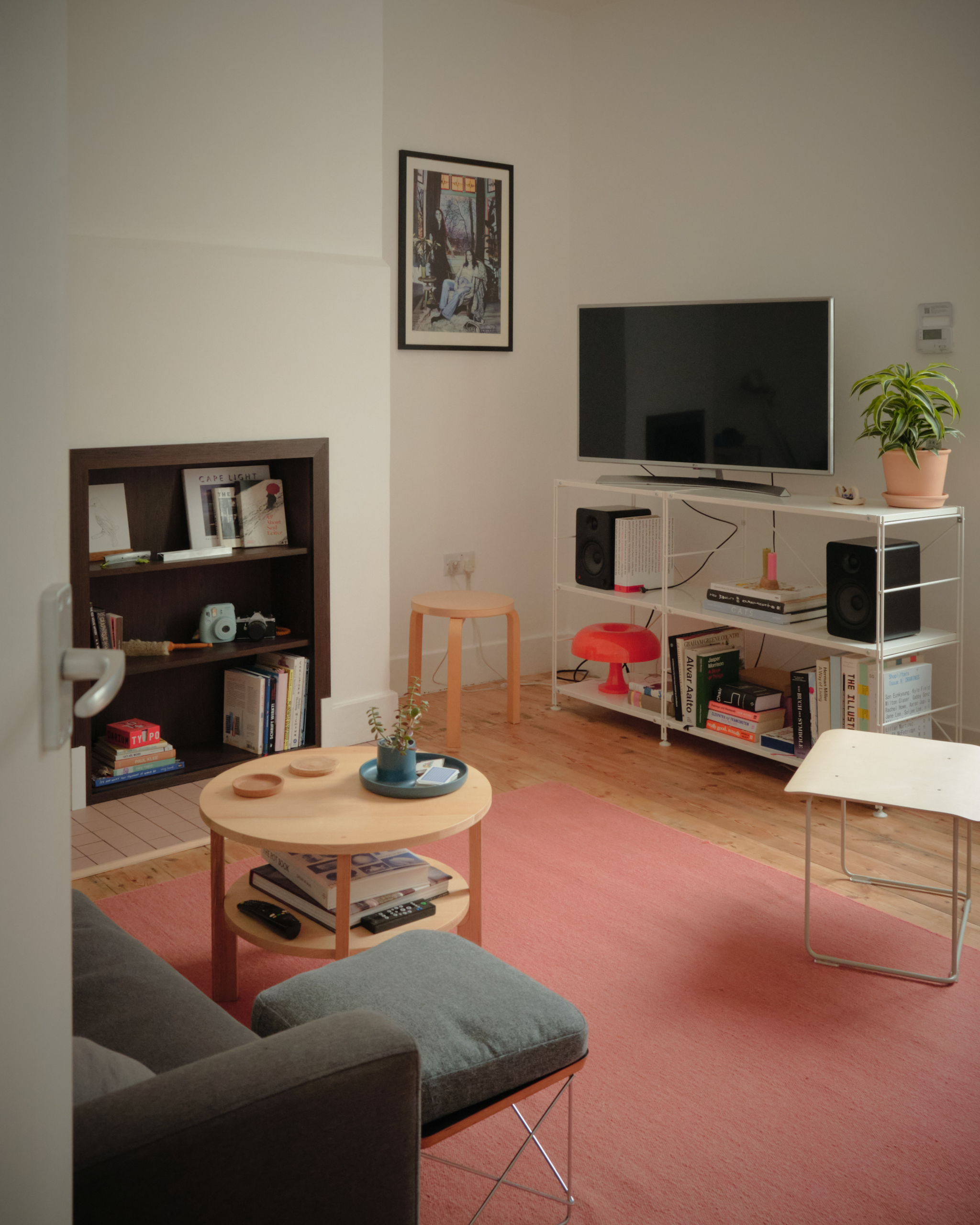
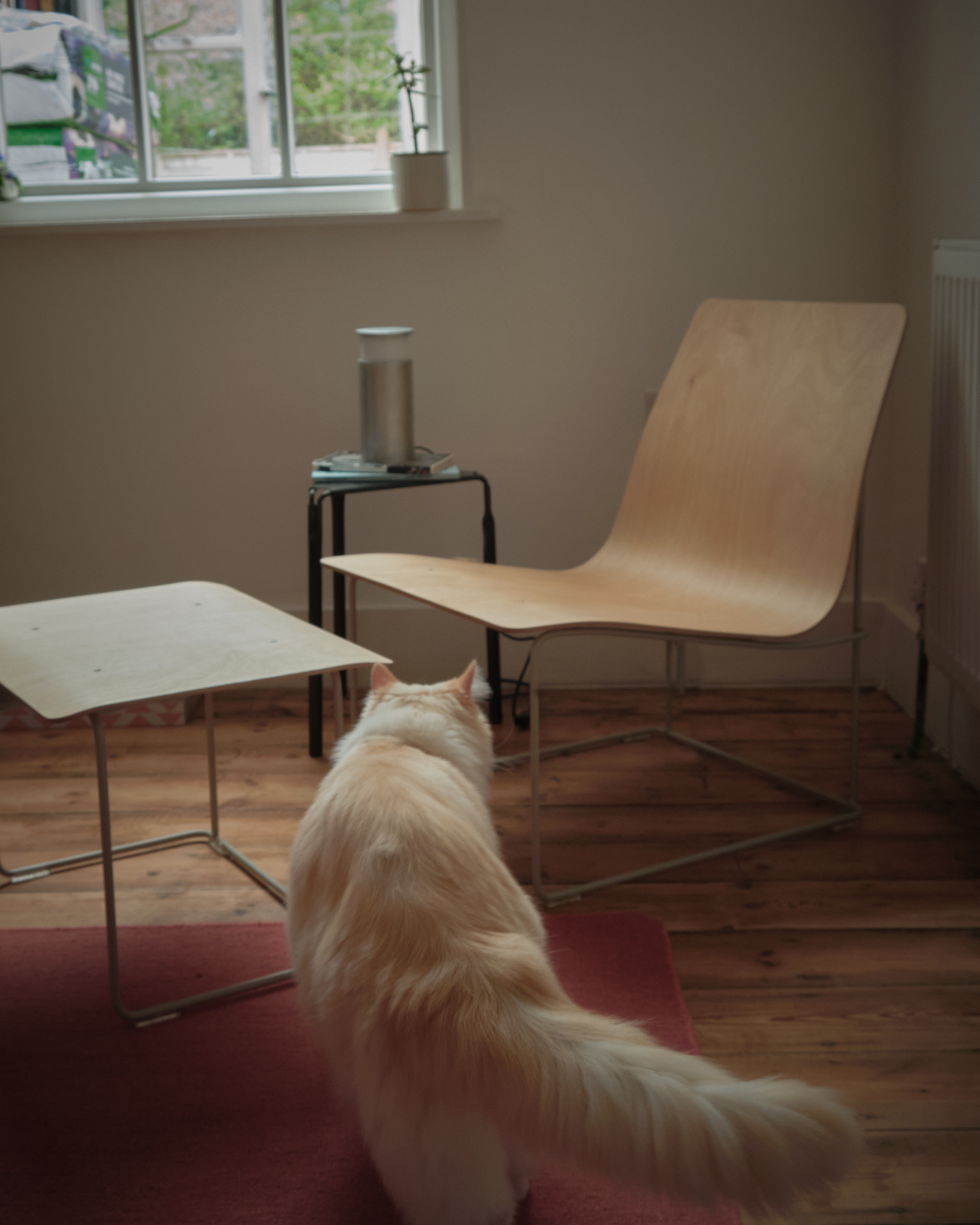
A relaxation of his need for domestic order has coincided with a loosening of his approach to design too. The work he made while living in Manchester, he explains, was overly concerned with construction and how things are assembled from their constituent parts – a pendant light in the hallway that clicks together from pieces of steel is a testament to that phase. Now, though, he reflects on that interest as “ridiculous”. “That’s the ego element. What’s driving you is this sense of what’s going to express your capability. What we should be asking is, does this actually work really well and does it look and feel good? That’s what I’ve learnt over the past few years,” he says.
As well as the mingei movement, another source of inspiration or comparison for Searcy’s work might be Dieter Rams, the man behind Vitsoe and Braun’s heyday, whose maxim “less, but better” feels apt here. But Searcy is much less dogmatic in his thinking than Rams and his famous Ten Principles of Good Design. “I think it’s such a ridiculous thing to try and tell the world what good design is,” says Searcy. “You can try to show it by doing what you do, but I think it’s the wrong approach to tell people what it is.” Talking to him as we move through the house, Searcy comes across as quietly assured in opinions he has arrived at carefully, but never judgmental or dismissive of the paths chosen by others. “I have respect for and am friends with people making expensive collectable pieces. I don’t say ‘that’s not design’ because we don’t live in a kind of post-war mid-century utopia. The world has changed,” he says.
How does he navigate that change? “There are so many internal conflicts when you’re designing or trying to engage with how you present your practice. Some things you do seem to sit outside of your principles and values and then you do some things that feel really strongly within it. I think that contradiction isn’t an issue. It’s a part of building a career today,” he says.
Still, though, Searcy remains a relative purist compared to some. The world might be moving quickly, but he believes we’re entering a period in which we’ll see “how important it is to have principles and values that you stick by rather than just switching to accommodate.” As for the future, he’s hopeful. “A lot of designers I speak to feel hopeless and dismayed. For me, it’s more about having that sense of direction. And if everyone has this sense of direction to make things that add value to society, then surely the needle will shift a bit. If you are defeatist about it, and you just go, ‘I’m just going to do this because that’s going to make me some money’, well, then, it’s not really a design industry anymore. If you have a true intention in your heart as you’re producing, it should hopefully lead things on the right path. It’s not about the results; it’s the direction. You just need the courage and conviction to double down and keep going for as long as it takes.”
Suggested stories

Going Out, Staying In With Dan Pope
Filippo Muzi Falconi’s World Is Filled With Wonder, Naturally
Making Work – and a Home – Out of Restrictions, Remains and Resourcefulness
A Designer Finding New Forms in Ancient Traditions
A Collector Who Sells – and Lives With – the Things She Loves
Functional Beauty: Jewellery Designer Helena Vieira’s Converted Warehouse Apartment
Inside Jesse Butterfield’s Studio

Jewellery Designer Jessi Burch’s Brooklyn Apartment is a Portal into her Mind
How “primitive craft” and “contemporary production” come together at Lewis Graham’s studio
An Apartment With No Sofa But 50 Lamps
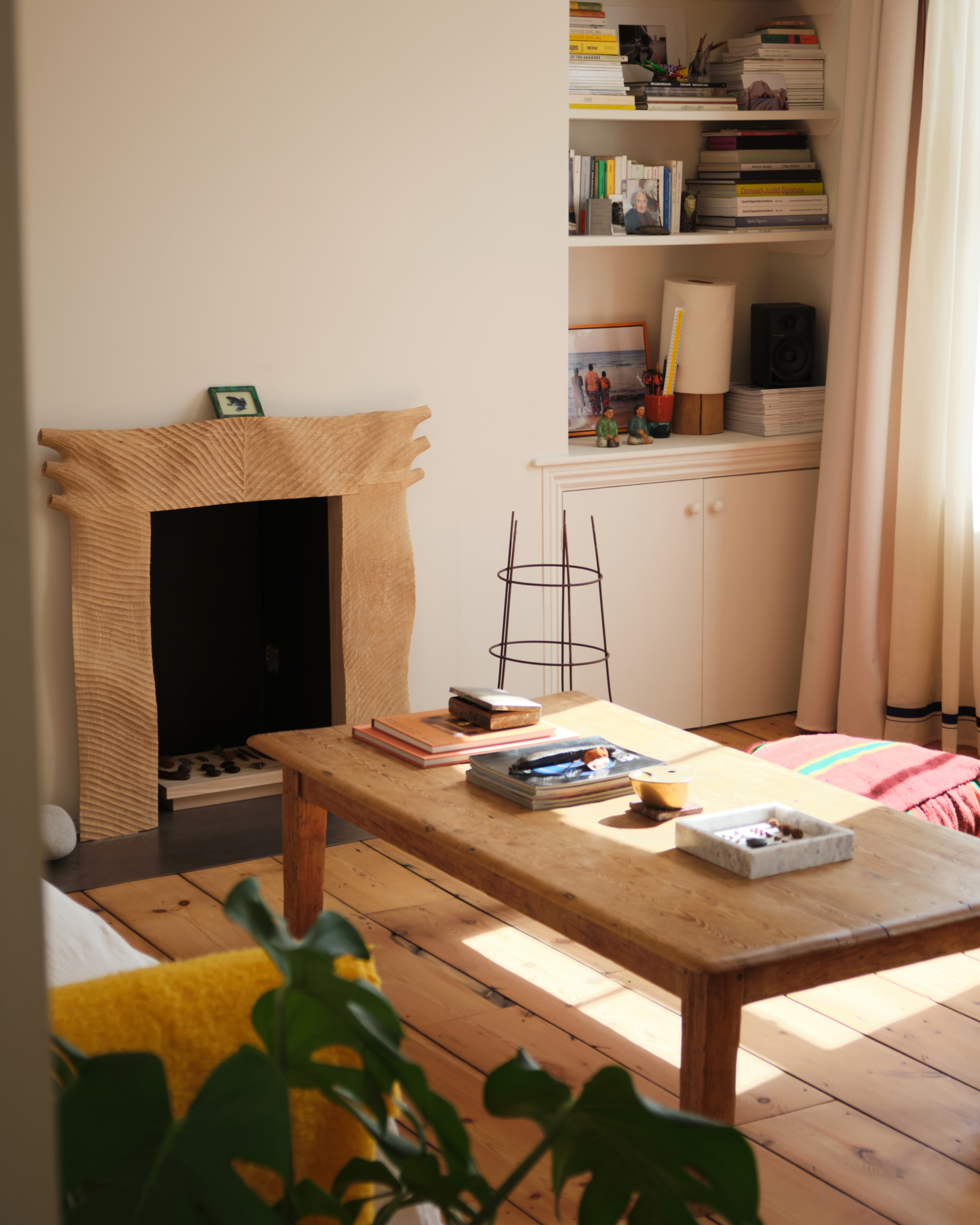
A Happy Family Collaboration in De Beauvoir

How “The Muse of Spirited Resourcefulness” Guided The Making of Glass Artist Juli Bolaños-Durman’s Edinburgh Home
ON UGLINESS WITH DAVID MICHON, AUTHOR OF FOR SCALE
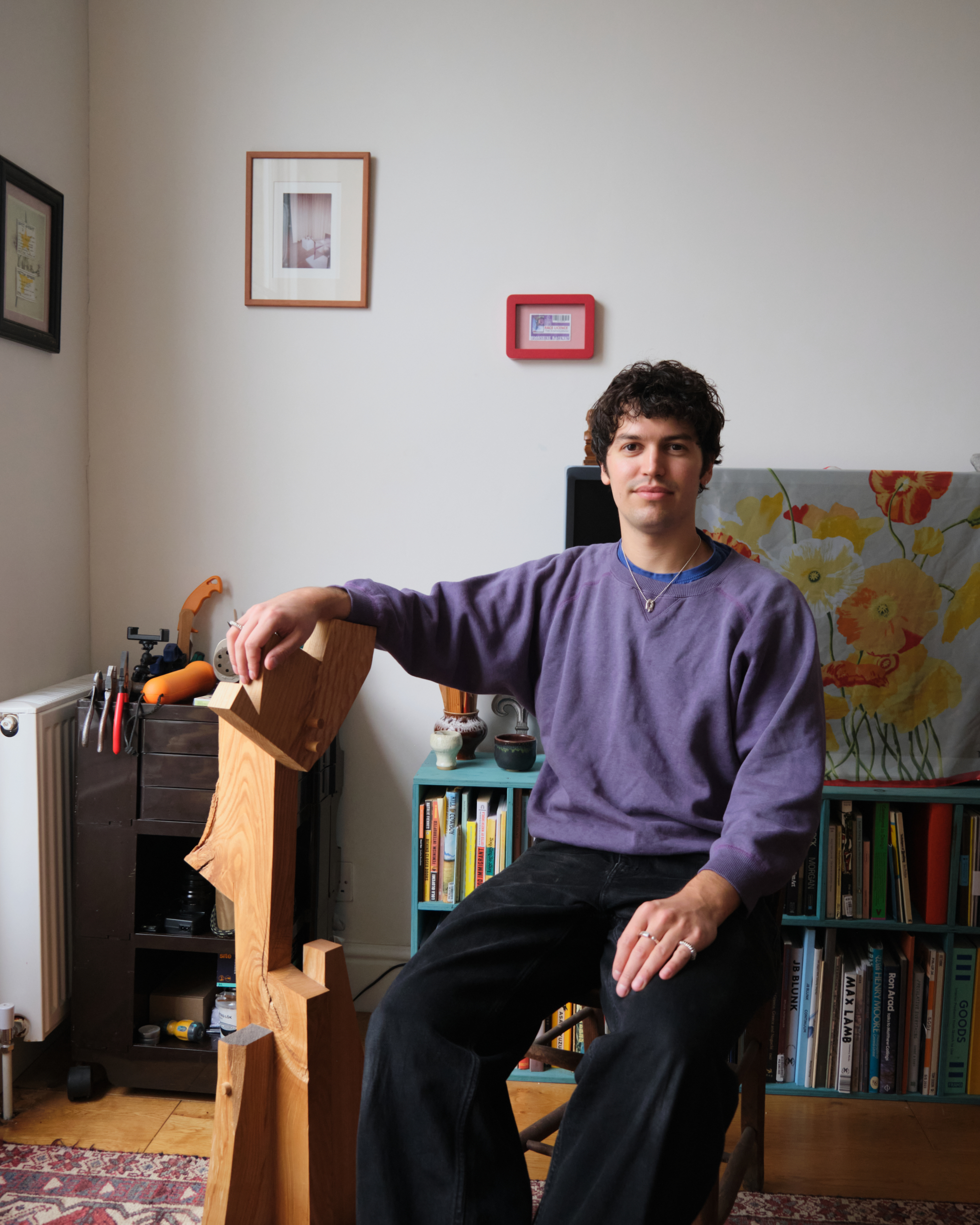
The Home That Thomas Wheller Is Making
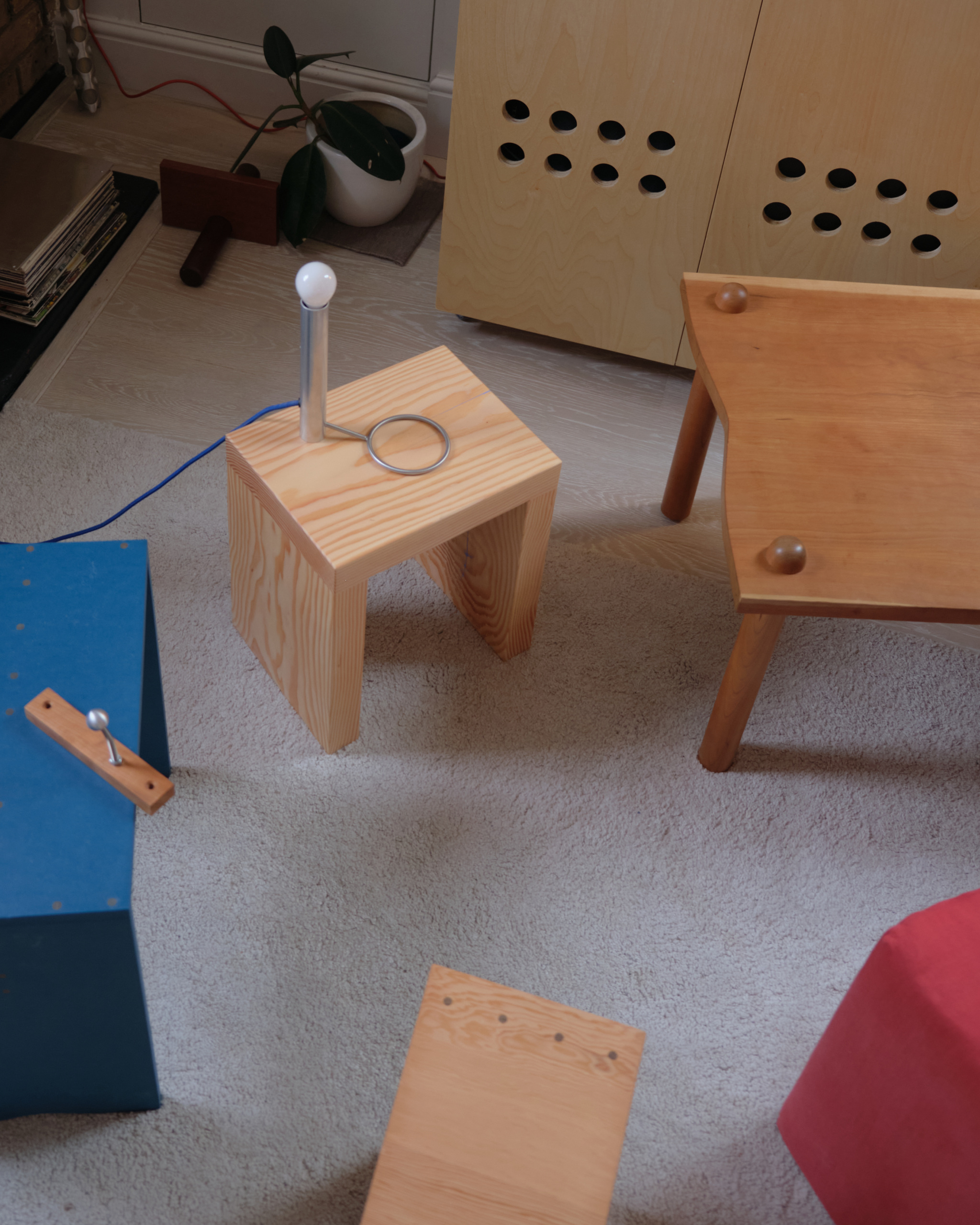
Designer Jake Robertson’s Home is a “Living Library”
Jewellery Shaped by Architecture, History and the Human Hand

THE SCURA GUIDE TO GOSPEL OAK & AROUND
Scura Selects: November 2025
Luke Malaney’s Work is Always in Motion
Going Global: Reflections and Recommendations from Flawk’s Show at Collectible NYC
The Fluent Creativity of Liyang Zhang
SCURA Selects: What to see at Open House & LDF

FRIENDS OF SCURA: ALEXANDRA ARIAS
What is Flawk?
A Design Duo’s Reunion with a Family Farmhouse in Alsace

The best eats in London under £20
Introducing the Flawk Shop: a new home for a family of objects

An Architectural Adventure in Finland’s Far North
Freddy Tuppen’s Flat Keeps Getting Better

A Slower Guide to Istanbul

Inside A Copenhagen Apartment Shaped By Instinct, Collaboration and Kerbside Finds
A Guide to Copenhagen, Curated by a Design Duo We Love
Step Inside Tom Golland’s Colour Playground
Picasso Chairs and Playful Precision: Josh Page’s Creative World

Ajay Larr on the Architecture of Food and Why Meals Matter
A Slower Guide to London
The Scura Guide to eBay
The Homespun Beauty of Textile Designer Isabel Farchy’s Patchwork Panels
NYC Design Getaways
Our friends: PPP LAB on crafting for simplicity and usability
Hidden Feasts: Jiaonest
Scura’s Guide to Independent Stoke Newington
Welcome to Scura