A Designer Finding New Forms in Ancient Traditions
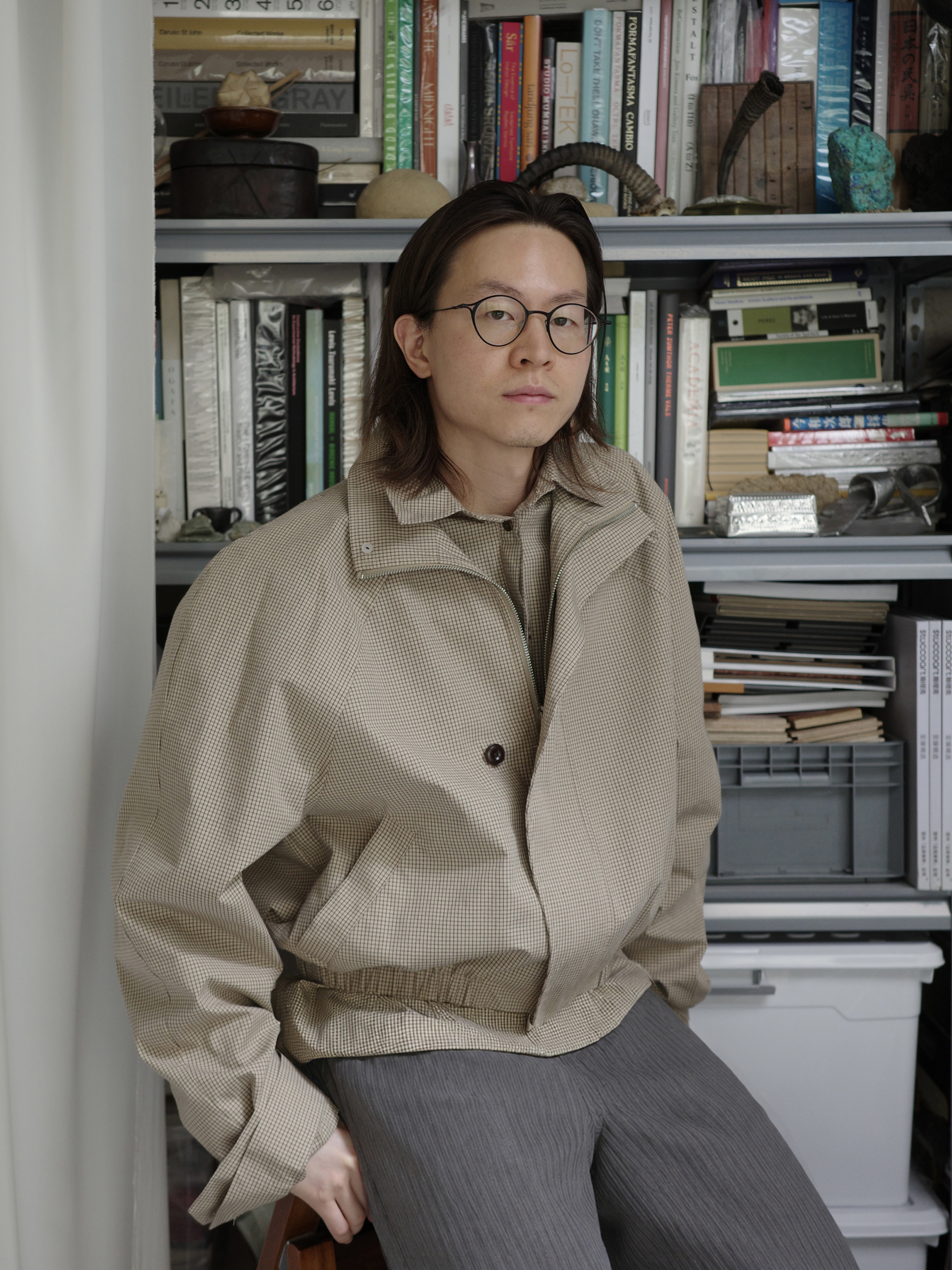
On a recent research trip to China, Scura founder Ashley crossed paths with Daecan Tee via a mutual friend. A designer with his own multidisciplinary studio, Sakai, Deacan and Ashley shared experience of running practices that operate across architecture, objects and interiors meant they were always going to have things to talk about. But the two connected over much more: a love of finding inspiration in everyday street scenes, incorporating nature into design and finding freedom after architecture school by embracing different scales.
We wanted to know more about Daecan and his work, so we set up a chat to cover everything from building a practice in Shanghai to what he means by “modern primitivism” and why the best ideas often spend years quietly waiting to find their place…
You describe yourself simply as a designer, but your work spans architecture, interiors, furniture and objects. How did you arrive at that way of practising?
I studied architecture in Malaysia, but I didn’t go through the traditional route of becoming a registered architect, so, technically, I can’t call myself one. Usually, I just say I’m a designer, because my work moves between architecture, product design, set design, installations, and everything in between.
After university I worked for a year in an architecture practice, and quite quickly I realised I didn’t enjoy sitting in an office producing CAD drawings. What I really enjoyed was making things. I loved working through details, visiting construction sites and solving problems as they came up. That made me realise I wanted to work much more closely with materials and with my hands.
So before studying product design for my master’s, I took an internship in a carpentry workshop. I wanted to get my hands dirty. In Malaysia, architectural education is very theoretical. Apart from making models, there’s very little opportunity to actually build things. It’s all very computer-driven.
I’m also quite impatient. With architecture, you can spend a year designing a building, then another year waiting for it to be built, only for the contractor to tell you something can’t be made. I wanted to be able to make it myself and prove that it could.
For me, product design became a smaller version of the same practice. The thinking is identical; only the scale changes. I never really separate architecture, interiors and objects because they all belong to the same system. They naturally influence one another.
After studying in Malaysia, how did you end up building a practice in Shanghai?
When I finished my master’s, I knew I wanted to work in product design rather than return to architecture. I applied for jobs in London, but this was before Brexit and it was already difficult. Then I went back to Malaysia and started looking at opportunities in Singapore.
At the same time, China was really beginning to grow. This was around 10 years ago, and it felt like an exciting place to be. I was applying to furniture companies and product design studios there while working for an interior design practice, and eventually I received an offer from a studio in Beijing.
It wasn’t just designing furniture. They also created retail spaces and window displays, which really appealed to me because I could move between designing objects and designing spaces. That felt very natural.
I spent two years in Beijing before moving to Shanghai, where I joined another interior design studio. After around three years there, I felt ready to start my own practice.
What gave you the confidence to do that?
I think I’d finally found my own design language. Of course, every project involves compromise, whether you work for a studio or run your own practice. You’re always balancing what you want with what the client wants, but I actually enjoy that push and pull. I like finding ways to introduce my own ideas into somebody else’s brief.
The difference was that, by then, I felt I knew what those ideas were. I had discovered something that genuinely came from inside me, and I wanted a place where I could explore it more freely.
I wouldn’t say I suddenly became uncompromising. It’s more that the starting point became my own way of thinking. From there, every project becomes a conversation between my instincts and the client’s needs.
How would you describe that design language?
It’s difficult because we all use labels as a shortcut, but they never tell the whole story. If I had to describe it in one phrase, I’d probably call it modern primitivism.
For me, though, primitivism doesn’t mean roughness or brutality. It’s more about learning from ancient wisdom, traditional techniques and the way people have solved problems for generations. I’m very interested in human behaviour; how people naturally interact with materials and objects, and how those behaviours evolve over time.
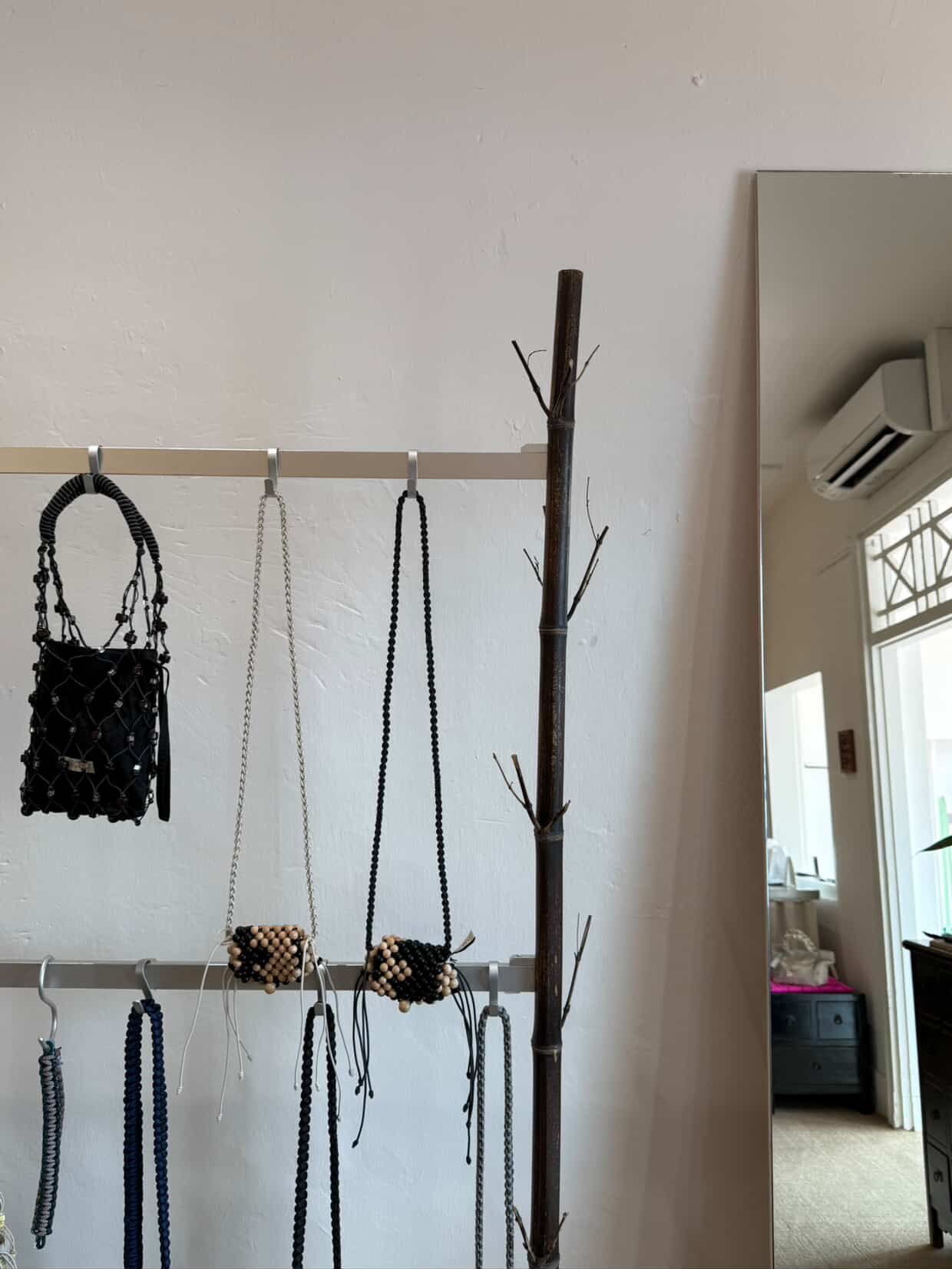
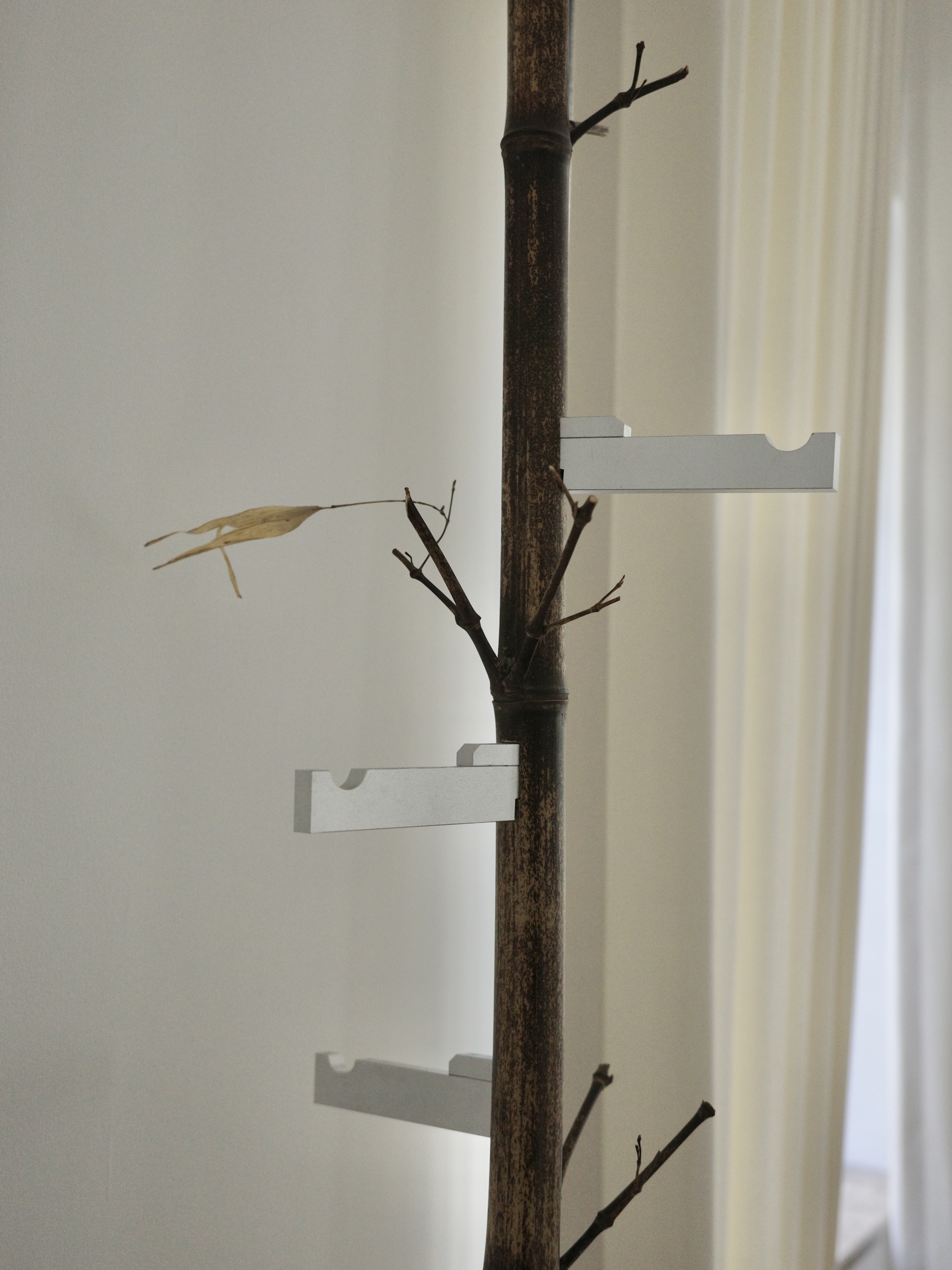
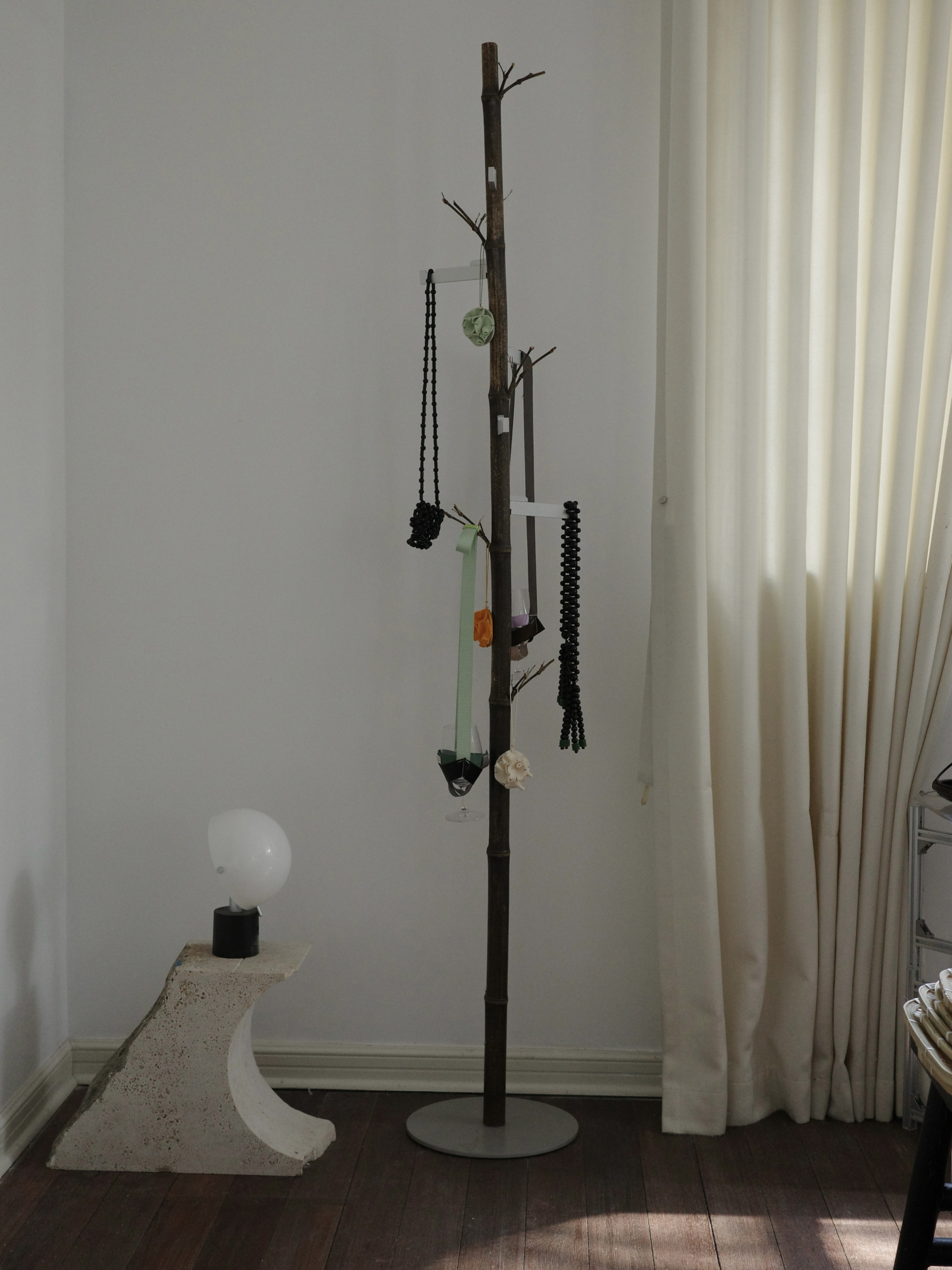
A good example is the bamboo display I designed for Tanchen, a lifestyle brand centred around crochet and weaving. In rural parts of China, people use long bamboo poles for drying clothes or curing meat. Traditionally, they leave the natural branch of the bamboo intact and use it as a hook. But commercially, those branches are usually trimmed off because they’re seen as imperfect.
To me, it feels like cutting off a limb that nature has already provided. The branch is strong enough to hold weight, so why remove it? Ancient makers understood that because they simply used what was already there. That observation became the starting point for the display system. It references those rural practices without copying, so it feels contemporary.
It sounds like you’re often inspired by everyday acts of making rather than by design itself.
Very much so. I love the ad hoc quality of things that people make without thinking of themselves as designers. Sometimes you see road workers improvising something from bits of timber or metal, and the solution is incredibly intelligent. They haven’t studied design, but they’ve solved a problem in the simplest possible way, and somehow it has its own aesthetic as well. That’s something I come back to again and again.
People often think minimalism is about removing decoration, but for me simplicity is really about achieving something in the most direct way possible. If I’m working in metal, I ask myself: what’s the quickest, simplest way to make this? Can it be laser cut? Can it be machined? Most clients don’t have unlimited budgets, so those practical questions become part of the design language.
There’s a generosity to your work. Even very simple details seem to be about making life more enjoyable.
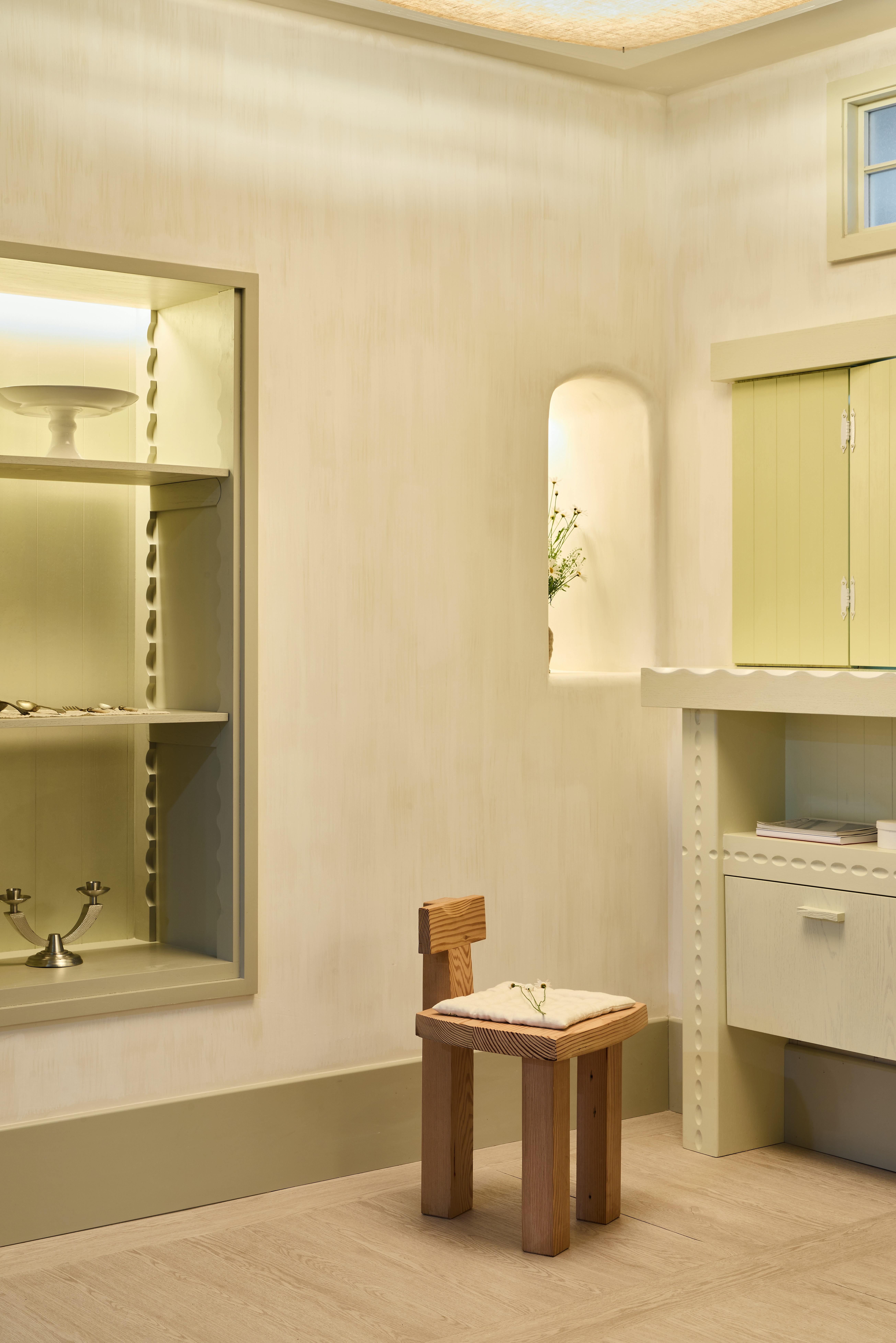
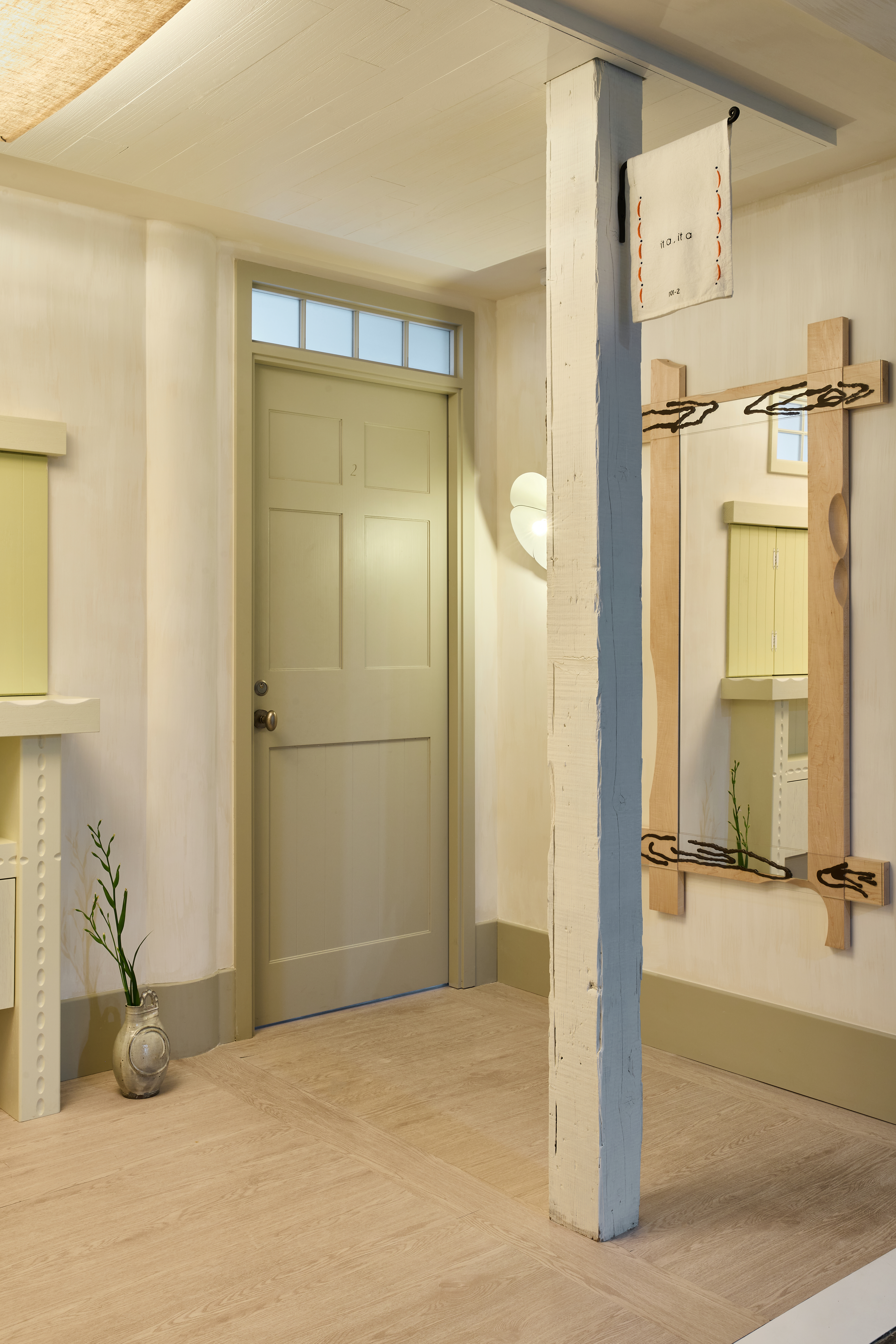
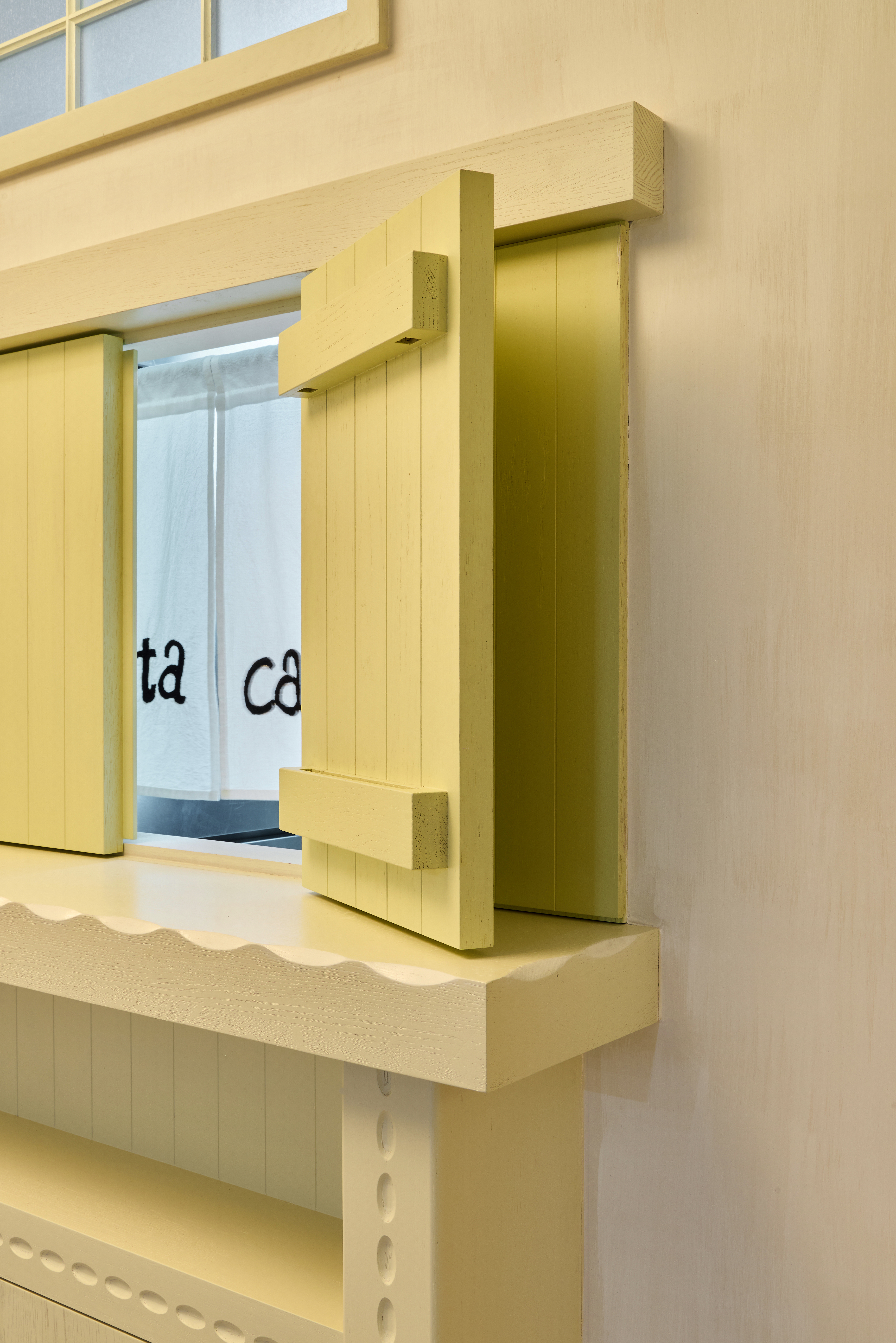
I think that’s true. The ITA cake shop is probably a good example. The client’s name is a play on the word “eat”, so I started thinking about eating as a gesture rather than just a brand identity. What happens when you bite something? Or scoop something? That simple idea began informing everything.
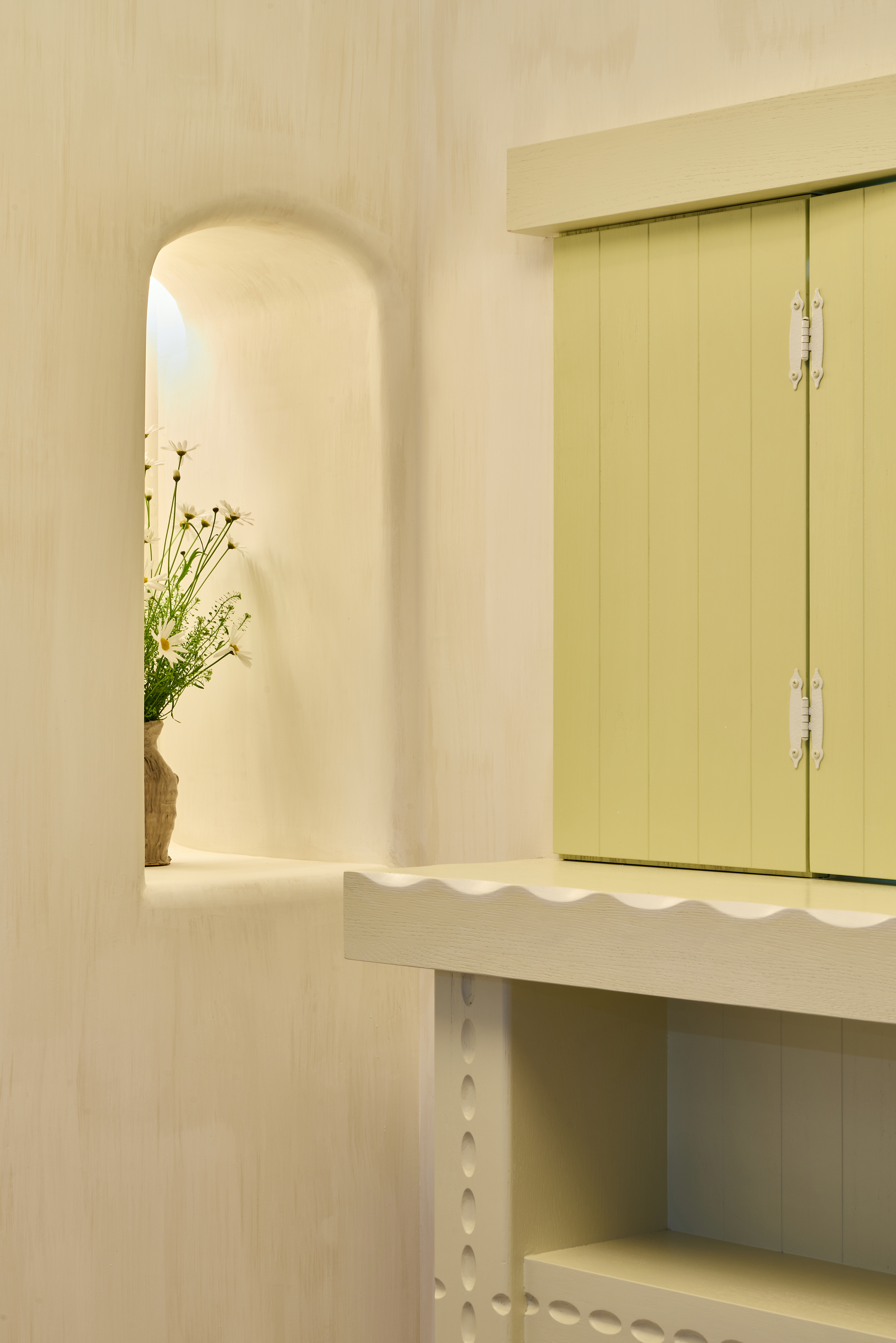
The chair I designed has a carved backrest that looks as though a bite has been taken from it, but it’s also genuinely comfortable because it supports the lower back. The counter edge has the same carved profile. Visually it continues the language, but it’s also there because customers naturally lean against the counter while ordering, so it gives your elbows somewhere comfortable to rest. I love it when one idea can solve several problems at once.
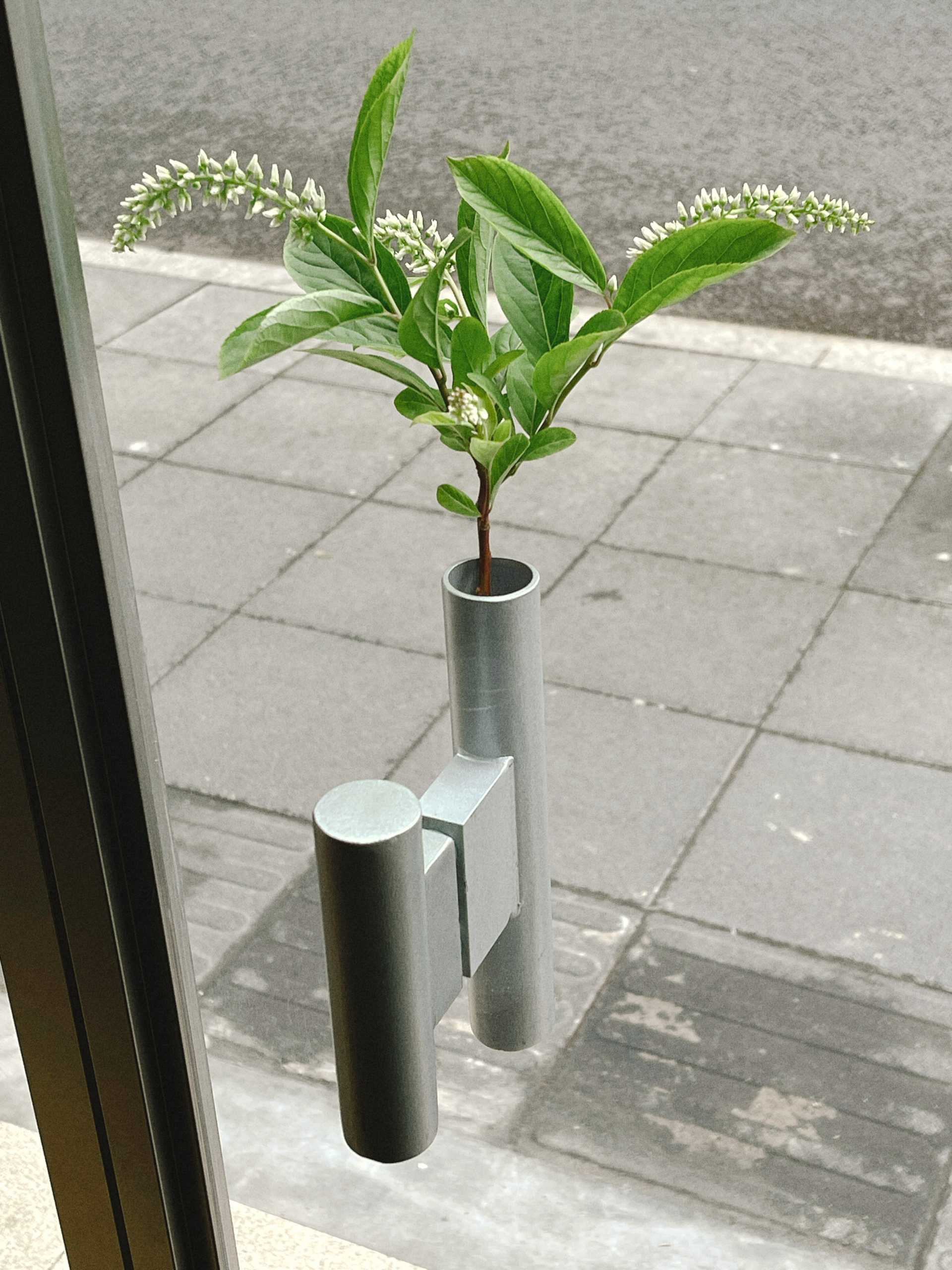
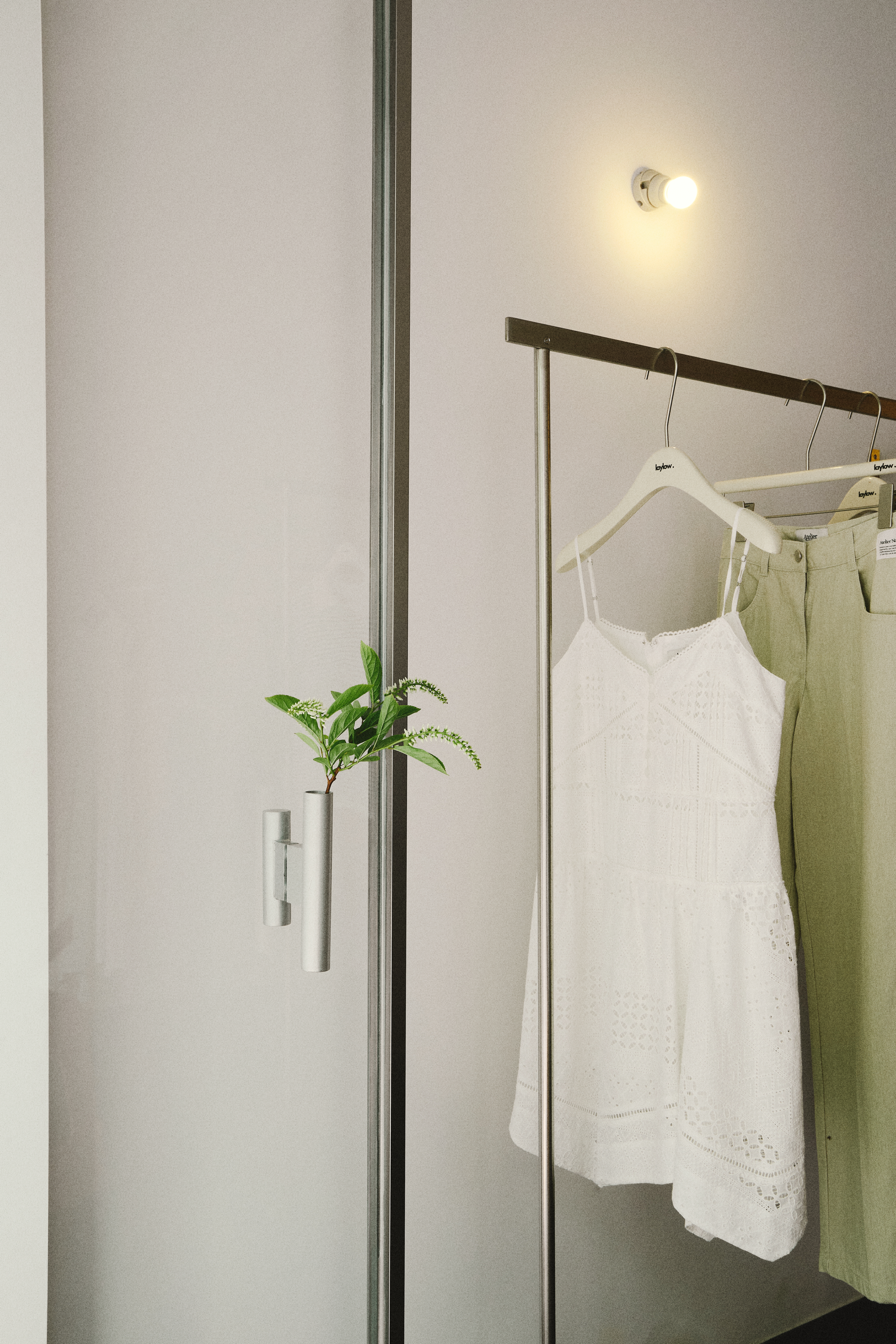
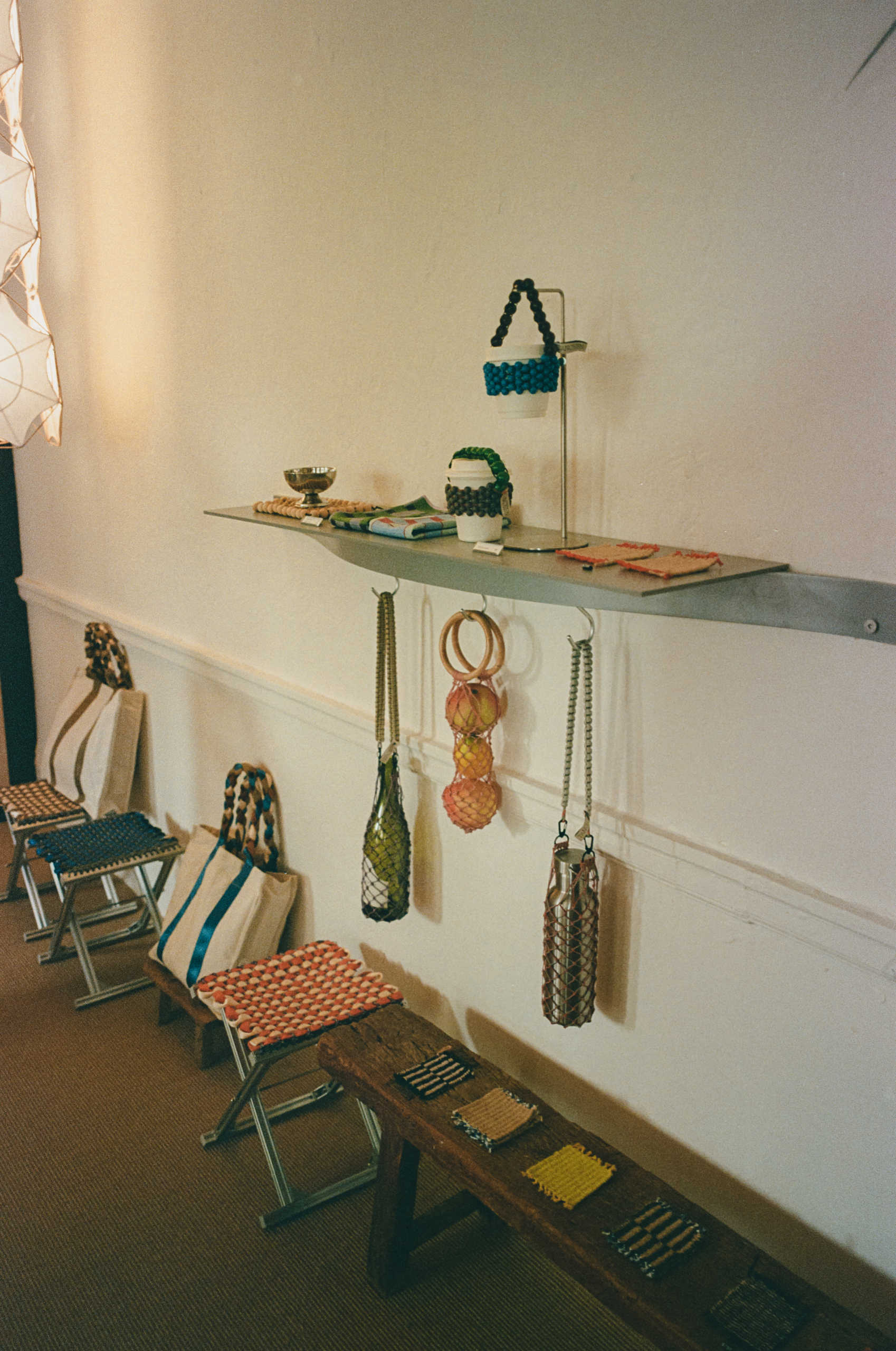
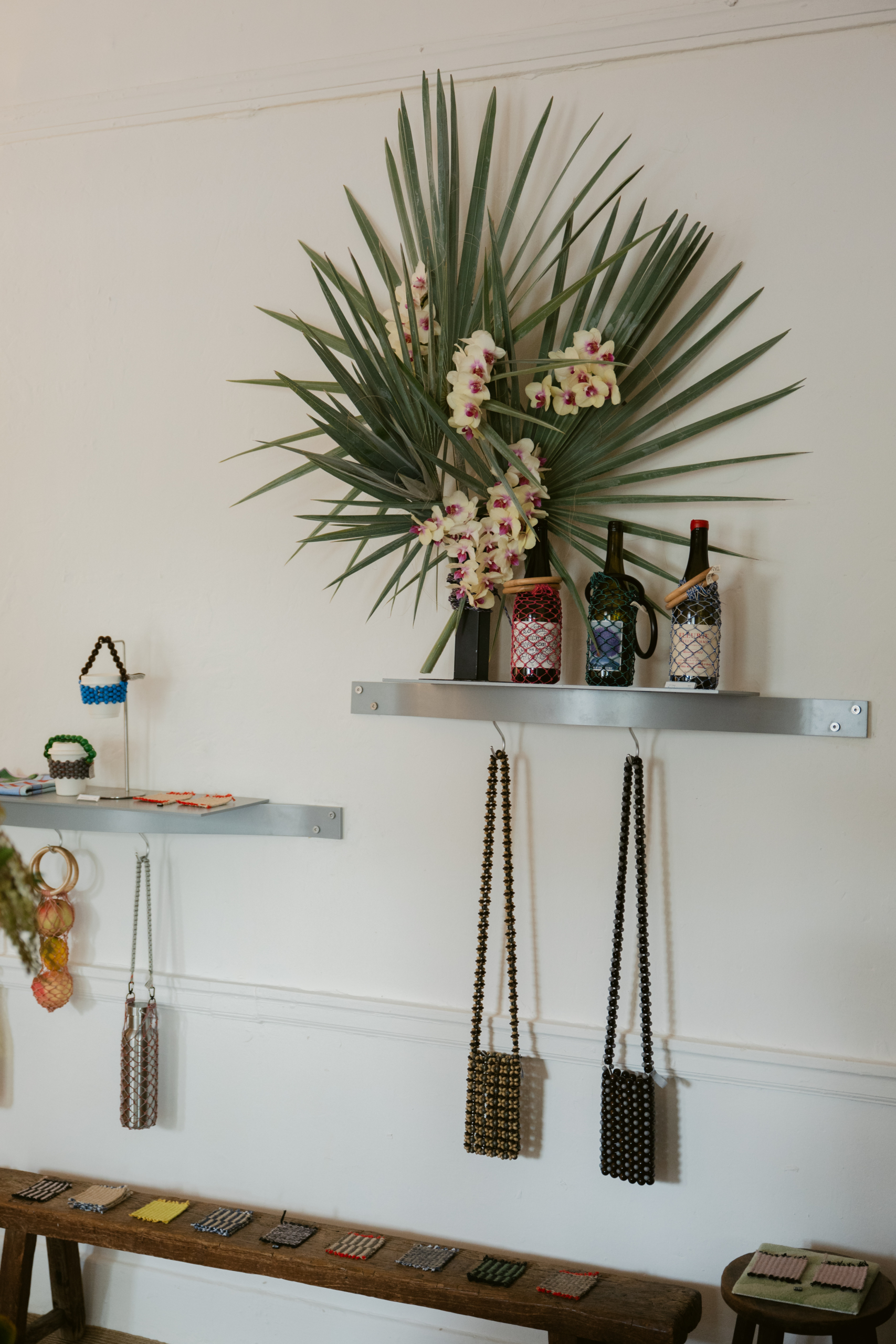
The same thing happened on the Tanchen project. Their name is another play on words, connected to the tension in woven thread, so everything grew from that single gesture. The shelving is supported by one gentle curved piece that acts almost like a backbone. The door handles twist slightly, almost like strands of thread, but they’re also simply comfortable to hold.
Every project begins by asking the same question: what is the central gesture? Once I find that, everything else follows naturally.
Listening to you, it feels like your projects don’t begin with sketches so much as observations.
People sometimes ask how I can develop an idea so quickly, but I don’t think the ideas happen quickly at all. They’re usually things I’ve been carrying around for years.
The carved edge on the ITA counter actually came from an old wooden table I found in a rural Chinese park many years before the project. I remember resting my elbows on it and thinking how comfortable it felt. It wasn’t designed by a famous designer, probably just by a local craftsman who simply understood that people would lean there and wanted to make that experience more comfortable. That interaction stayed with me.
Years later, when I started thinking about biting into cake, that memory somehow connected. I couldn’t have planned that. I think that’s how ideas work: they quietly collect in your mind until one day they find each other.
Your work often feels quite calm and understated – how does that resonate in Shanghai?
From the outside, people often think everything in Shanghai has to be eye-catching. Brands are competing for attention all the time, just like products on a supermarket shelf. Everyone wants to stand out.
Part of our job is convincing clients that there are other ways to attract people. Sometimes the best thing you can do is create somewhere people genuinely want to spend time. If customers feel comfortable, they’ll naturally engage with the brand more deeply.
That’s why I’m always trying to bring a sense of nature into my projects, especially in cities where we’re surrounded by concrete. Not by literally filling spaces with plants, but by using warm materials, tactile surfaces and natural textures that make people feel more connected to the environment.
I’ve realised that’s something that comes very naturally to me. In Chinese culture there’s a belief that everyone belongs to one of the five elements—wood, fire, earth, metal or water—based on the date and time they’re born. Each person has a different balance of those elements, and mine is soil.
Architecture and furniture making are both considered earth industries, so I like to think that’s why I’ve always been drawn to them, and why I naturally gravitate towards warm materials like wood. It isn’t something I consciously decided, it feels more like following what I was already meant to do.
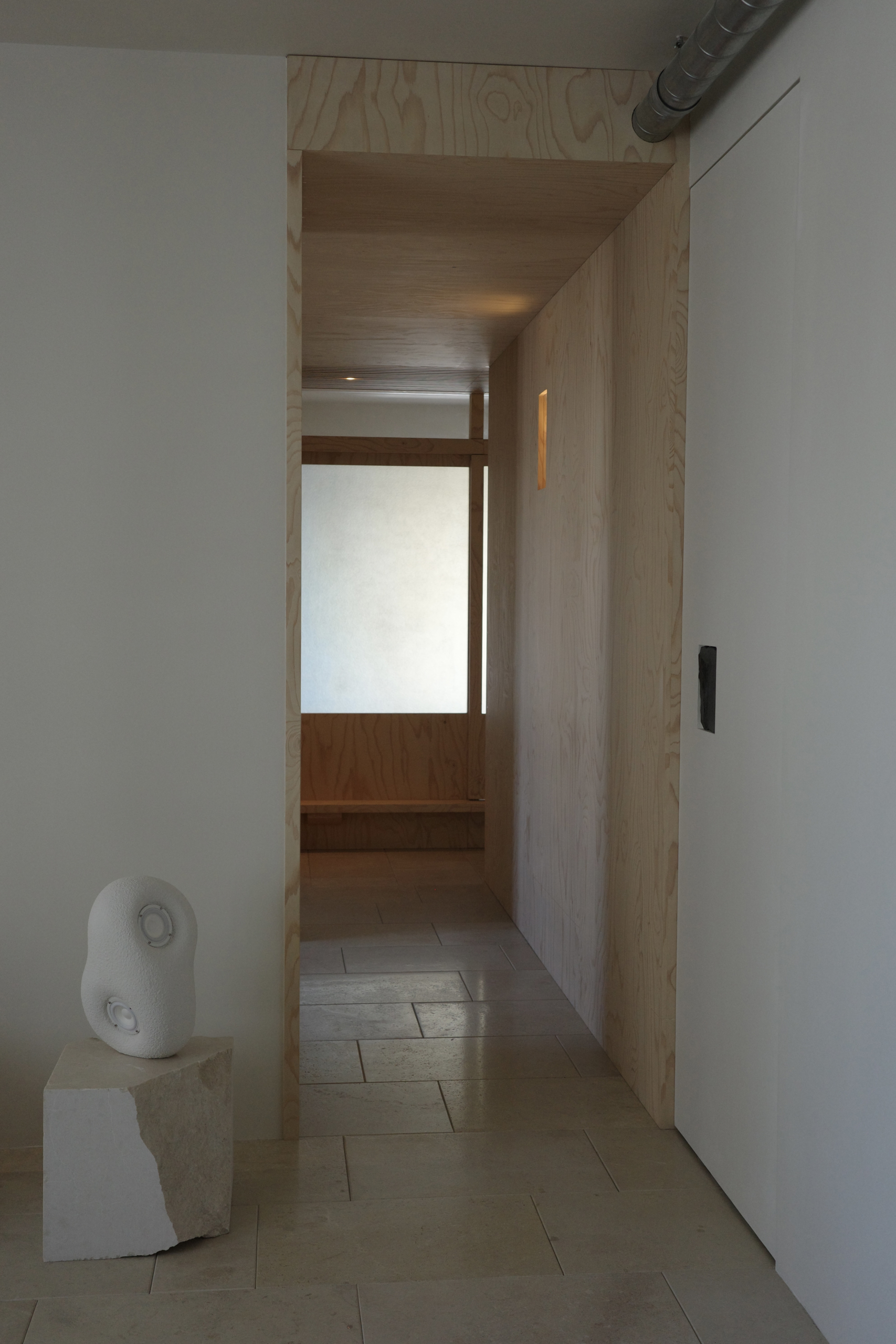
One of our favourite projects is the apartment inspired by the Chinese garden.
That apartment is only about eighty square metres, so the challenge wasn’t making it bigger, it was making it feel like a journey.
Most apartments have a long, dark corridor, so I removed as many walls as I could and started thinking about Chinese gardens. Western gardens often reveal everything at once but Chinese gardens are different. They unfold gradually – every step reveals something new, and there’s always a sense that something lies beyond what you can immediately see. I wanted the apartment to work in the same way.
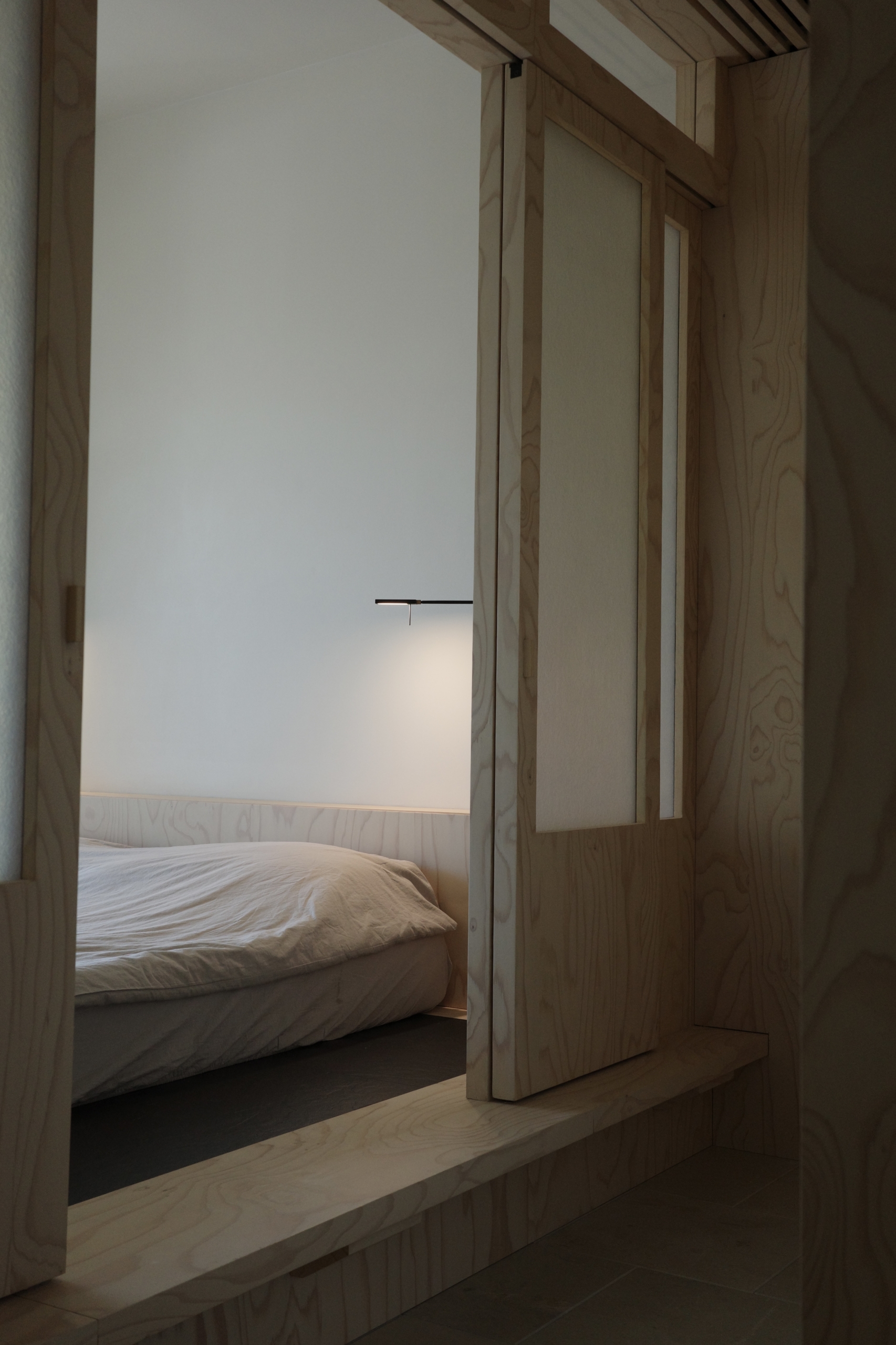
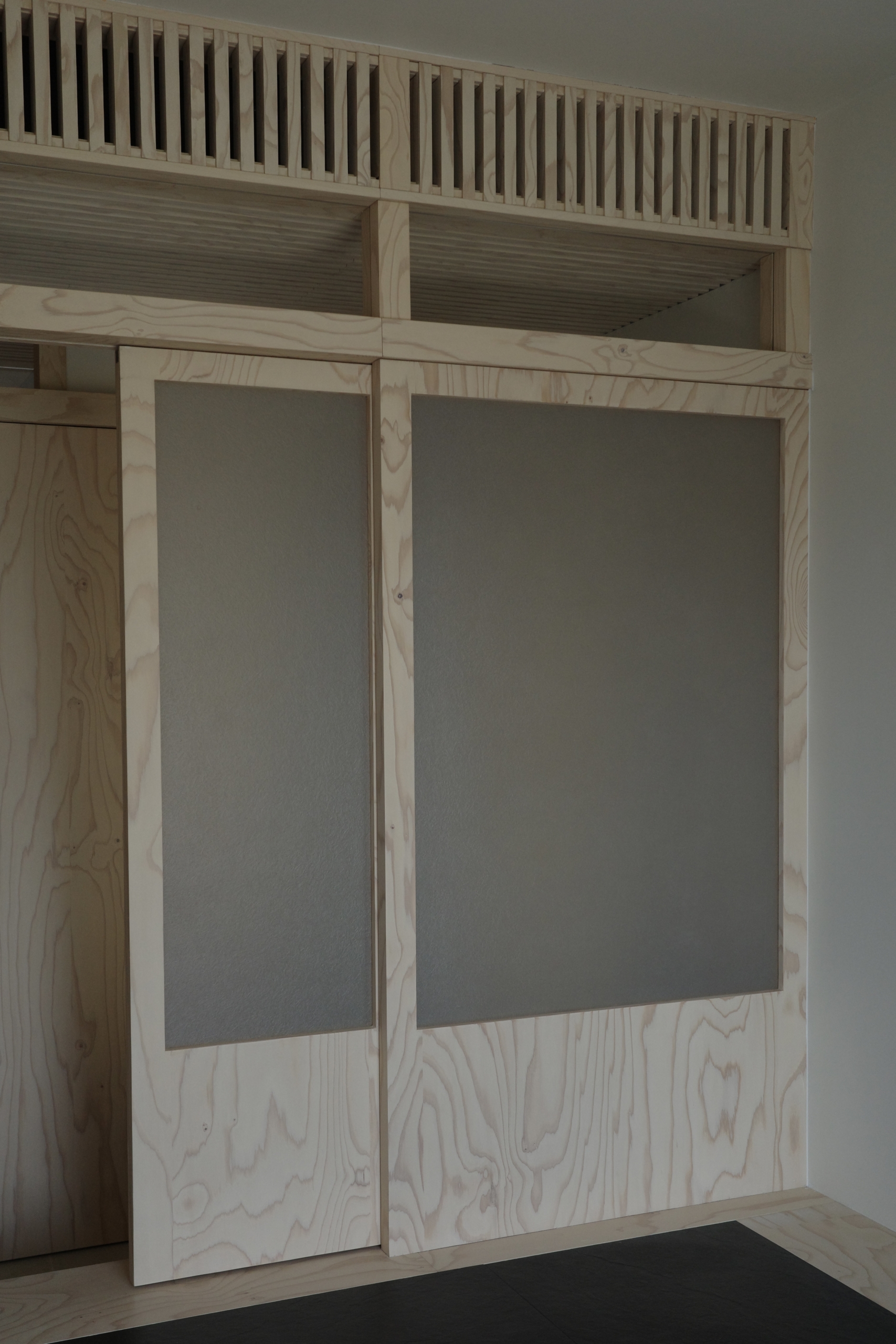
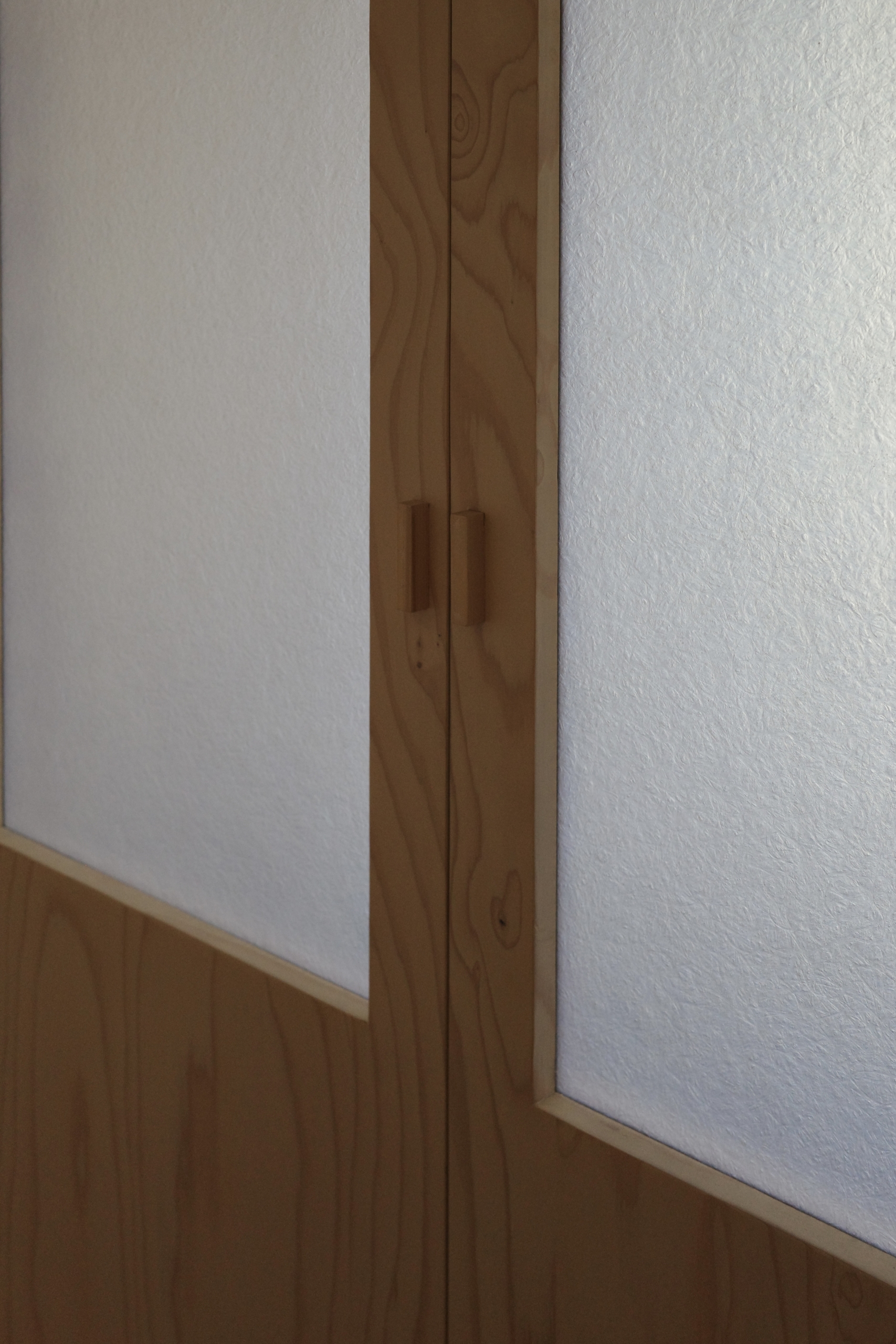
The bedroom sits behind a translucent sliding door made from handmade fibreglass. As you walk down the corridor, light filters through it, so you always sense another space waiting behind it. When you finally slide the door open and step inside, it feels less like entering a bedroom and more like arriving at a pavilion within a garden. There are no rocks or trees, but the experience is similar.
Even once you’re inside, there’s still a relationship with the rest of the home. The translucent partition means the owners can still sense what’s happening outside—whether their children are awake, whether the lights are on—without sacrificing privacy. I like that balance between retreat and connection.
What are you hoping to spend more time on over the next few years?
Most of my work is split fairly evenly between commercial and residential projects. Interestingly, many of my residential clients first came to me through commercial work, so there’s already a shared understanding of what we’re trying to achieve. That makes those projects much more enjoyable.
Alongside that, I’d really like to develop more of my own range of small, functional products like hooks, hardware and everyday objects.
Like most independent designers, though, it’s a constant balance. Client projects are what allow the studio to exist, so personal projects are always the first thing to be pushed back. At some point you have to deliberately stop and make space for them.
Finally, your work feels incredibly intuitive, but listening to you, it’s clear these ideas have often been sitting with you for years.
I’m constantly collecting small moments from everyday life. Sometimes I’ll notice something and not use it until two or three years later. I think that’s why I enjoy looking at ordinary things so much. A roadside construction detail, a piece of bamboo or an old table in a public pavilion all contain knowledge. They were made by people solving real problems, often without ever thinking of themselves as designers. Those are the things I keep returning to.
Suggested stories
Filippo Muzi Falconi’s World Is Filled With Wonder, Naturally
Making Work – and a Home – Out of Restrictions, Remains and Resourcefulness
A Collector Who Sells – and Lives With – the Things She Loves
Functional Beauty: Jewellery Designer Helena Vieira’s Converted Warehouse Apartment
The State of Design? Designer David Searcy Has Thoughts
Inside Jesse Butterfield’s Studio
Jewellery Designer Jessi Burch’s Brooklyn Apartment is a Portal into her Mind
How “primitive craft” and “contemporary production” come together at Lewis Graham’s studio
An Apartment With No Sofa But 50 Lamps
A Happy Family Collaboration in De Beauvoir
How “The Muse of Spirited Resourcefulness” Guided The Making of Glass Artist Juli Bolaños-Durman’s Edinburgh Home
ON UGLINESS WITH DAVID MICHON, AUTHOR OF FOR SCALE
The Home That Thomas Wheller Is Making
Designer Jake Robertson’s Home is a “Living Library”
Jewellery Shaped by Architecture, History and the Human Hand

THE SCURA GUIDE TO GOSPEL OAK & AROUND
Scura Selects: November 2025
Luke Malaney’s Work is Always in Motion
Going Global: Reflections and Recommendations from Flawk’s Show at Collectible NYC
The Fluent Creativity of Liyang Zhang
SCURA Selects: What to see at Open House & LDF
FRIENDS OF SCURA: ALEXANDRA ARIAS
What is Flawk?
A Design Duo’s Reunion with a Family Farmhouse in Alsace
The best eats in London under £20
Introducing the Flawk Shop: a new home for a family of objects
An Architectural Adventure in Finland’s Far North
Freddy Tuppen’s Flat Keeps Getting Better
A Slower Guide to Istanbul
Inside A Copenhagen Apartment Shaped By Instinct, Collaboration and Kerbside Finds
A Guide to Copenhagen, Curated by a Design Duo We Love
Step Inside Tom Golland’s Colour Playground
Picasso Chairs and Playful Precision: Josh Page’s Creative World
Ajay Larr on the Architecture of Food and Why Meals Matter
A Slower Guide to London
The Scura Guide to eBay
The Homespun Beauty of Textile Designer Isabel Farchy’s Patchwork Panels
NYC Design Getaways
Our friends: PPP LAB on crafting for simplicity and usability
Hidden Feasts: Jiaonest
Scura’s Guide to Independent Stoke Newington
Welcome to Scura