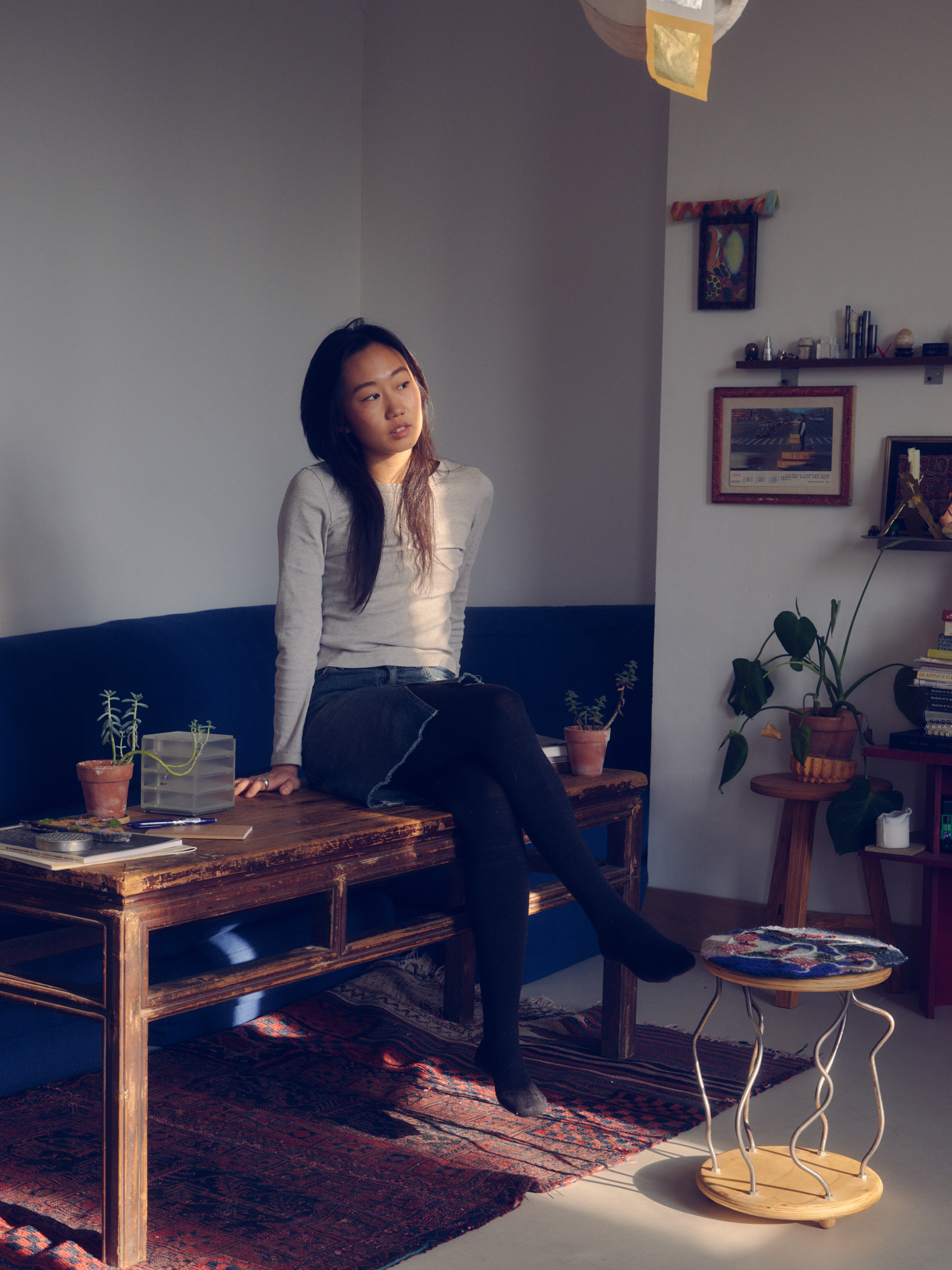
Faezah Shaharuddin is Making Furniture On Her Own Terms
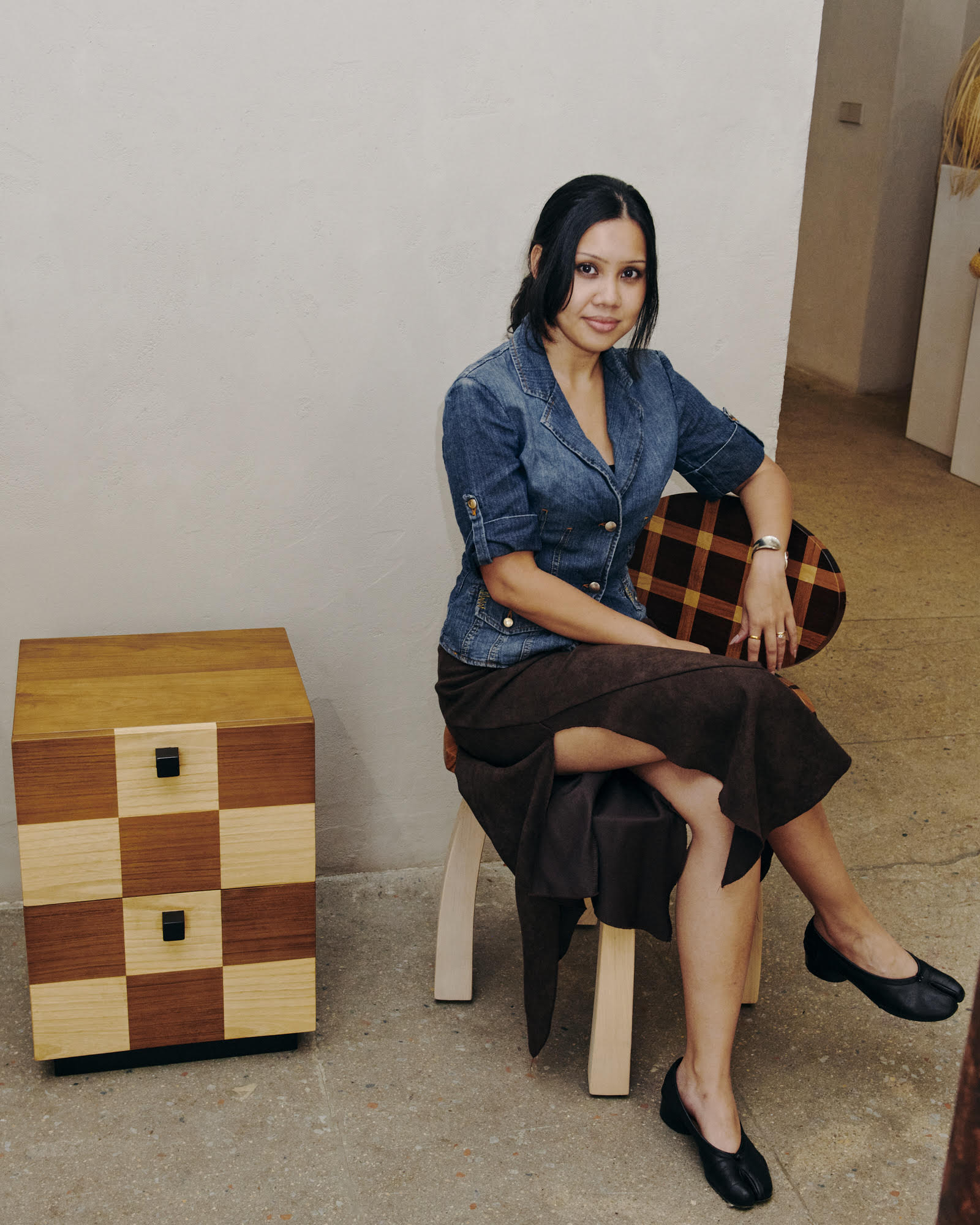
A chair is never just a chair. On the one hand, it fulfils one of furniture’s most rudimentary functions, but it is also an inherently political object – just think of how ‘seat’ and ‘throne’ have become synonymous with power. In the 19th century, William Morris showed how rethinking the way a chair was made could resist the alienating and uglifying effects of capitalism. Later, the Bauhaus argued for the opposite: that mass production could create designs that improved the lives of everyday people. In the latter half of the 20th century, Enzo Mari’s Autoprogettazione challenged the authority of the designer, while postmodern movements such as Memphis questioned the very idea of what a chair should be.
Today, questions about supply chains, material integrity, representation, authorship and identity can all be brought to bear on the chair, and on furniture more generally. Who gets to decide what counts as good design? Whose labour is visible, and which material cultures are granted value?
These questions are at the heart of the work of Singapore-born, New York-based designer Faezah Shaharuddin. She was brought up by an academic father who researches decolonialism and a mother who runs a vintage furniture business. Today, she draws on both influences to challenge a Western-centric hierarchy that has often treated the European canon as the measure of good design. Working directly with craftspeople in Indonesia, she starts with their skills and production possibilities, while bringing a distinctive set of references to contemporary furniture.
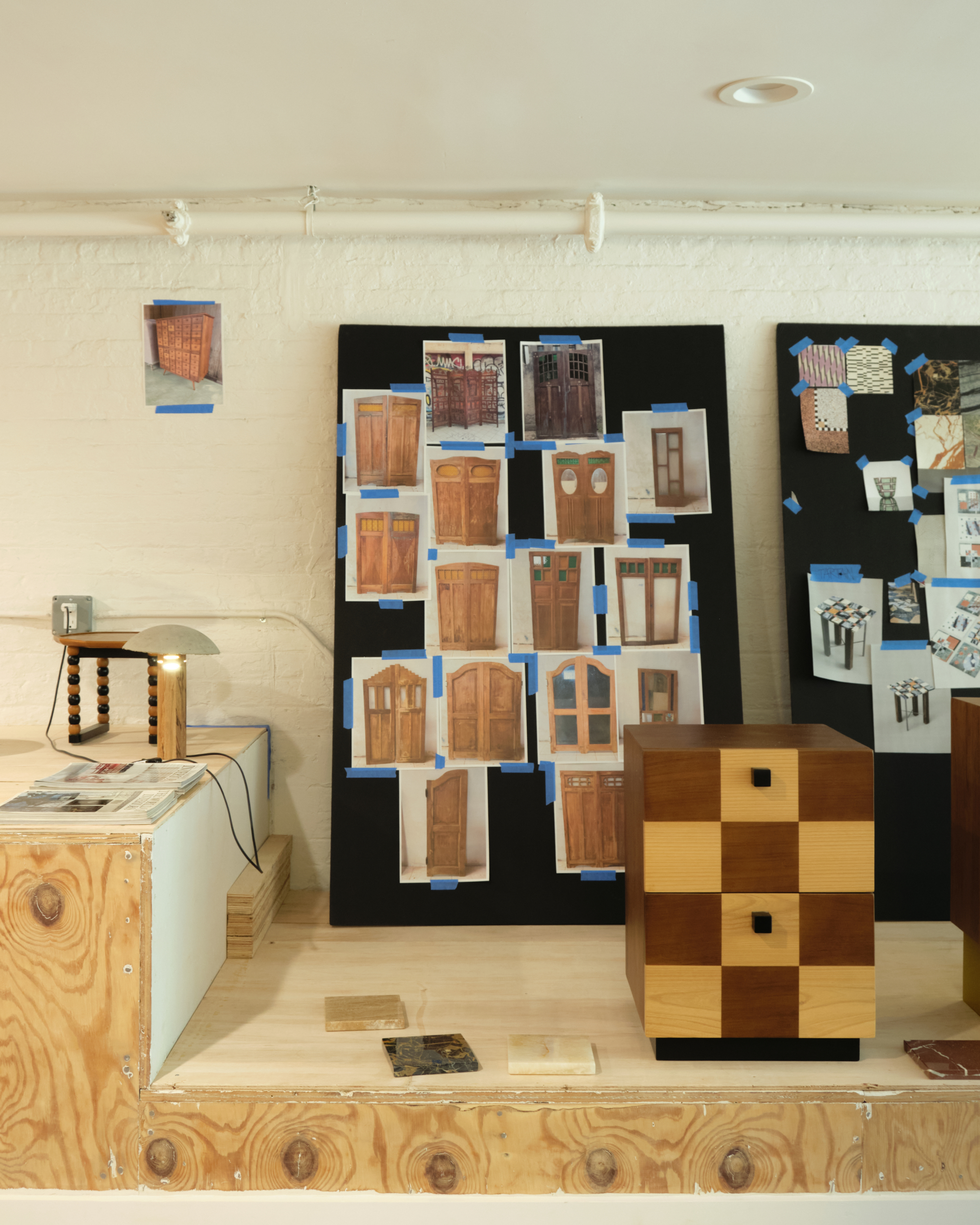
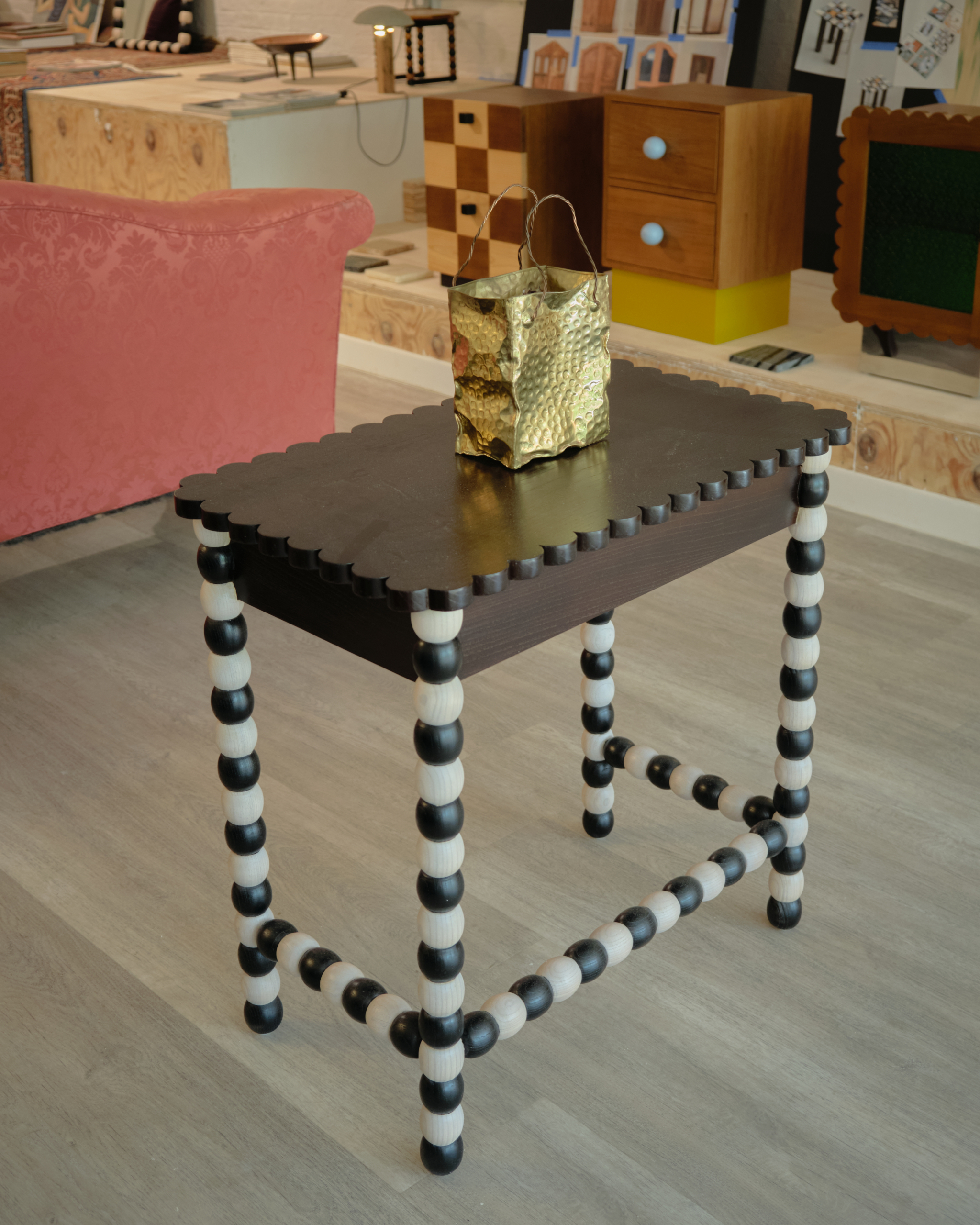
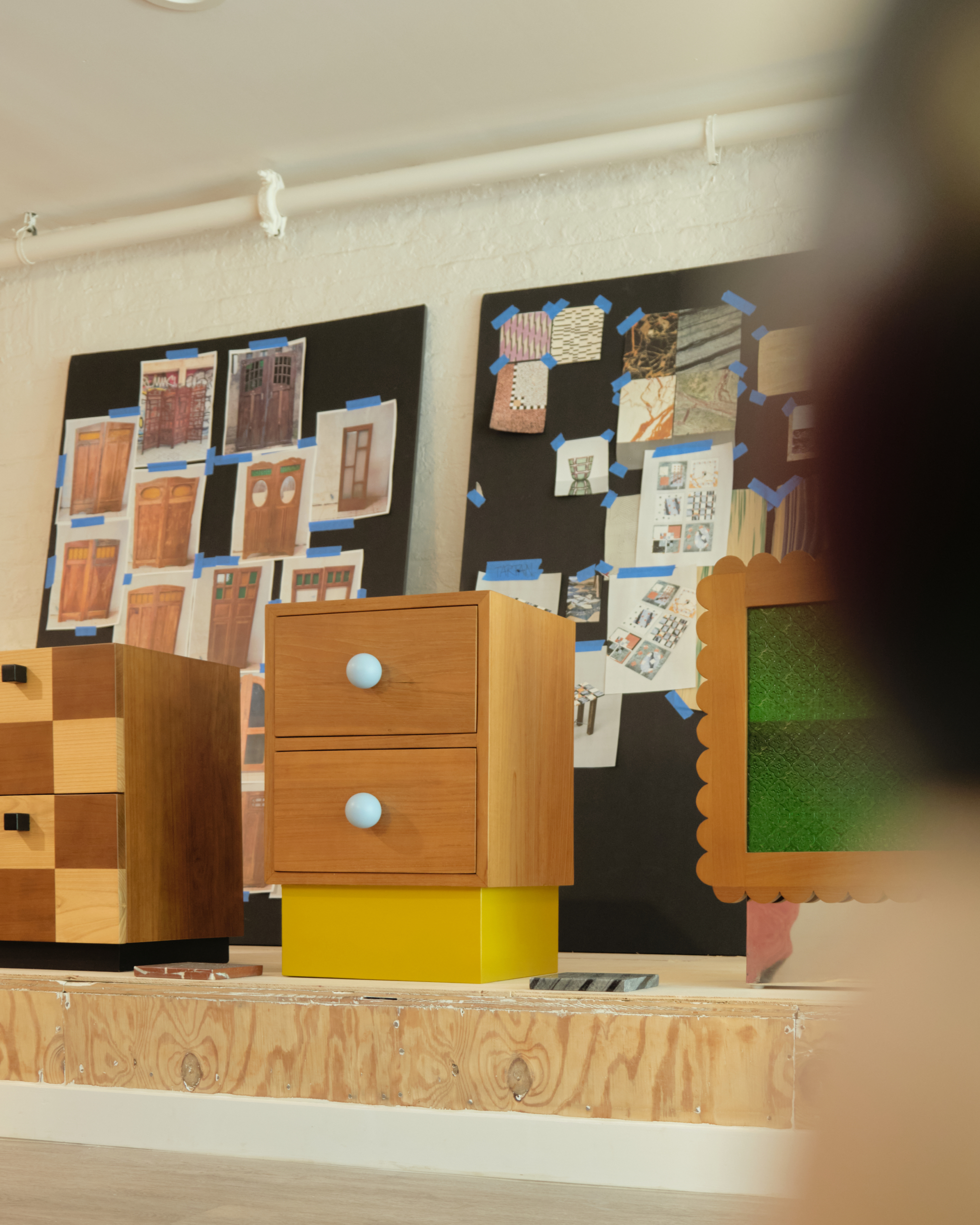
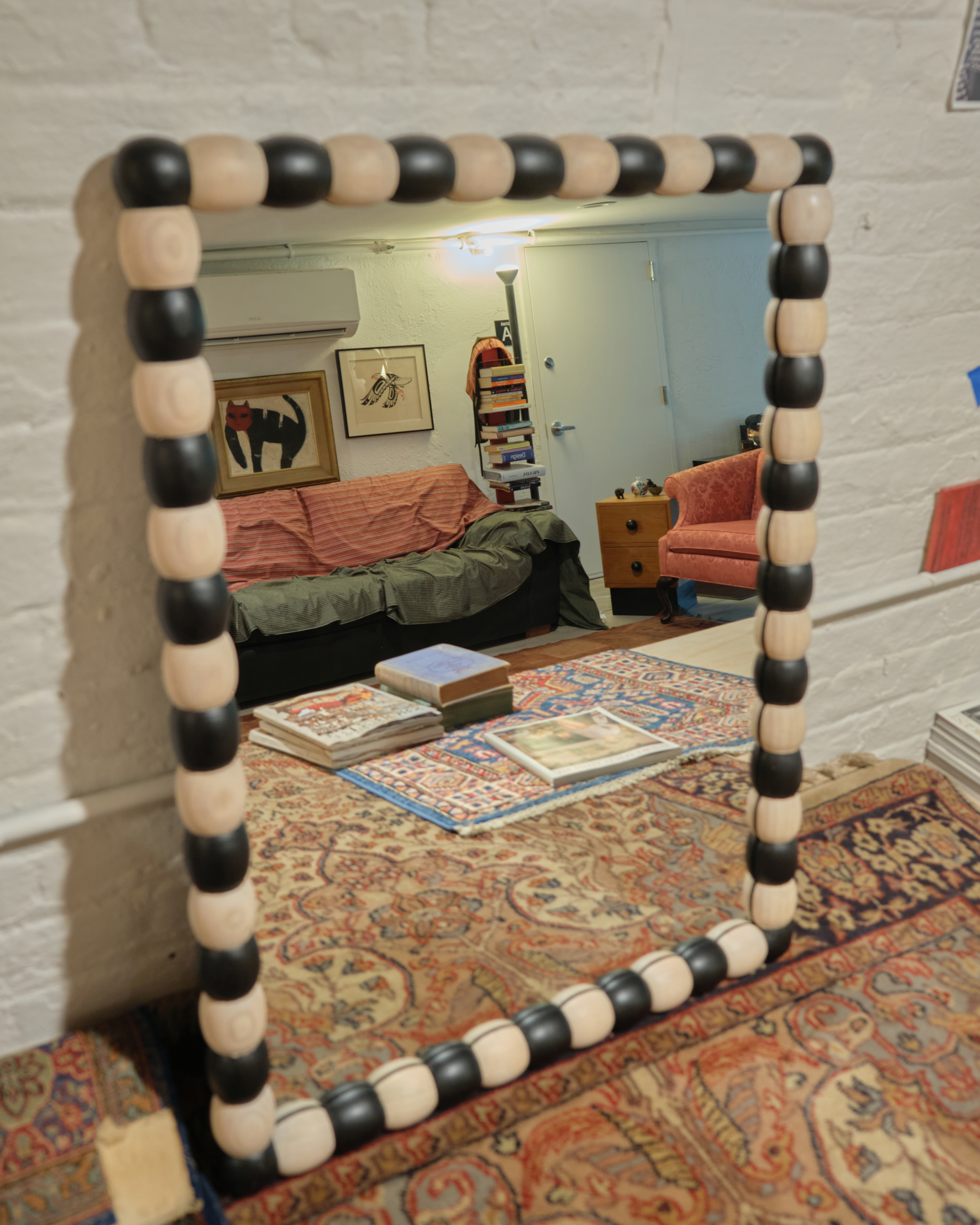
But like those before her who have imbued the chair with intellectual and political meaning, Faezah is also simply a great designer. Whether it’s the satisfying cadence of beaded wood she uses to frame a mirror, the nostalgic checkerboard patterns she adorns cabinetry with, or, more recently, the use of light-catching resin to give tabletops a colourful injection, her work is easy to enjoy for its formal qualities alone. We spoke to her about the references that shape her work, her nuanced view on the relationship between designer and maker, and why she’s chosen New York as her home.
Faezah, why don’t we start with your experiences growing up?
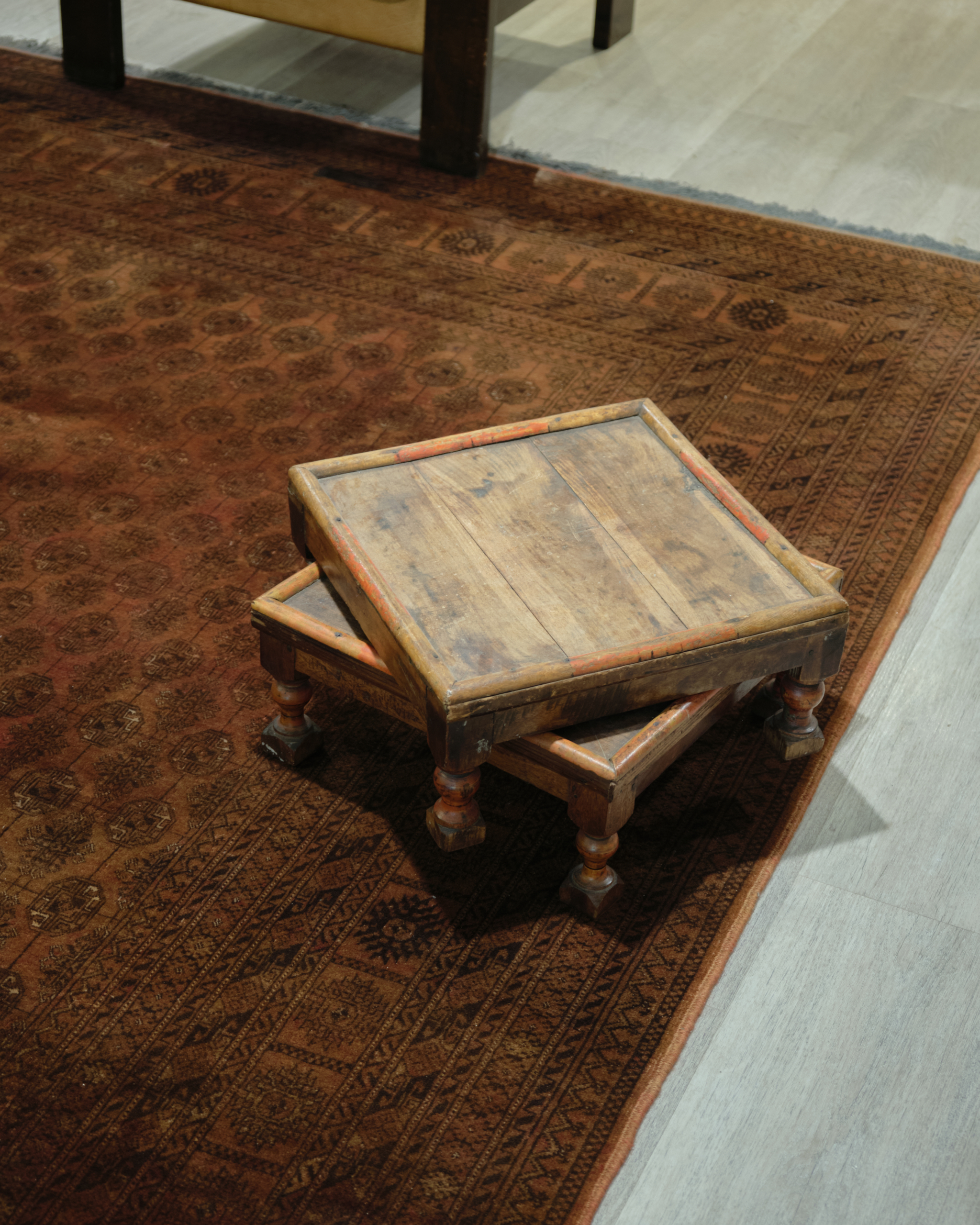
I was born in Singapore, but spent the first few years of my life in London, where my mum was doing her PhD. When we moved back to Singapore, she left academia and became a vintage furniture dealer. I grew up travelling with her as she sourced pieces around Southeast Asia. She mostly dealt in mid-century furniture and objects left over from the Dutch and British colonial periods.
Singapore had a thriving vintage furniture scene then. I’d follow her to chaotic junk shops, where old Chinese men dealt in colonial-period furniture and things were stacked on top of one another. Half of them have passed away now, and Singapore has become much more modern; that scene isn’t really there in the same way. My mum began sourcing in other countries, including Indonesia and Thailand, and I went along.
Indonesia has been a second home for as long as I can remember. It was where she sourced most of the furniture, and it’s where she turned to when she pivoted the business away from vintage to producing its own designs, and it’s where I make my pieces now. The town where we work is one of the biggest exporters of teak furniture in the world.
Your father was an academic, too. Did his work influence how you think about design?
He studied sociology, mostly decolonial studies, and I think that laid the foundation for my point of view. I’ve always felt there was a hierarchy in design: collectable or luxury design tends to be Western-centric, and European work is often treated as more elevated. But I grew up with such a rich material culture. I used to wonder why the abundance around me wasn’t regarded as highly in the design world.
The makers in Indonesia don’t necessarily think of what they do as design, but they’re incredibly skilled. I was sending a friend pictures of these metal chairs in the workshop, which the welders had casually made for themselves to sit on. We were amazed by how good they were, and they weren’t even trying. There’s no ego in it; the things are just well-made and useful.
How did you come to making objects?
I didn’t study product design; I studied visual communication at the University of Washington in Seattle. I was making political posters, including work critiquing police brutality in the US. Singapore can repress that kind of discussion, so it was fascinating to be somewhere where social justice and politics were much more present. I was young and trying to figure out what I liked. My work today is still quite graphic, which you can probably see in the objects.
I got into making furniture through the family business. When Covid happened, I went back to Singapore and helped out. I spent a lot of time in the factory and had to brush up on my Indonesian to speak with the craftspeople every day. That experience really affected how I work. Being close to production keeps you grounded: you can’t be too conceptual when you have to think about what’s possible.
How does that proximity to production affect the way you approach a new piece?
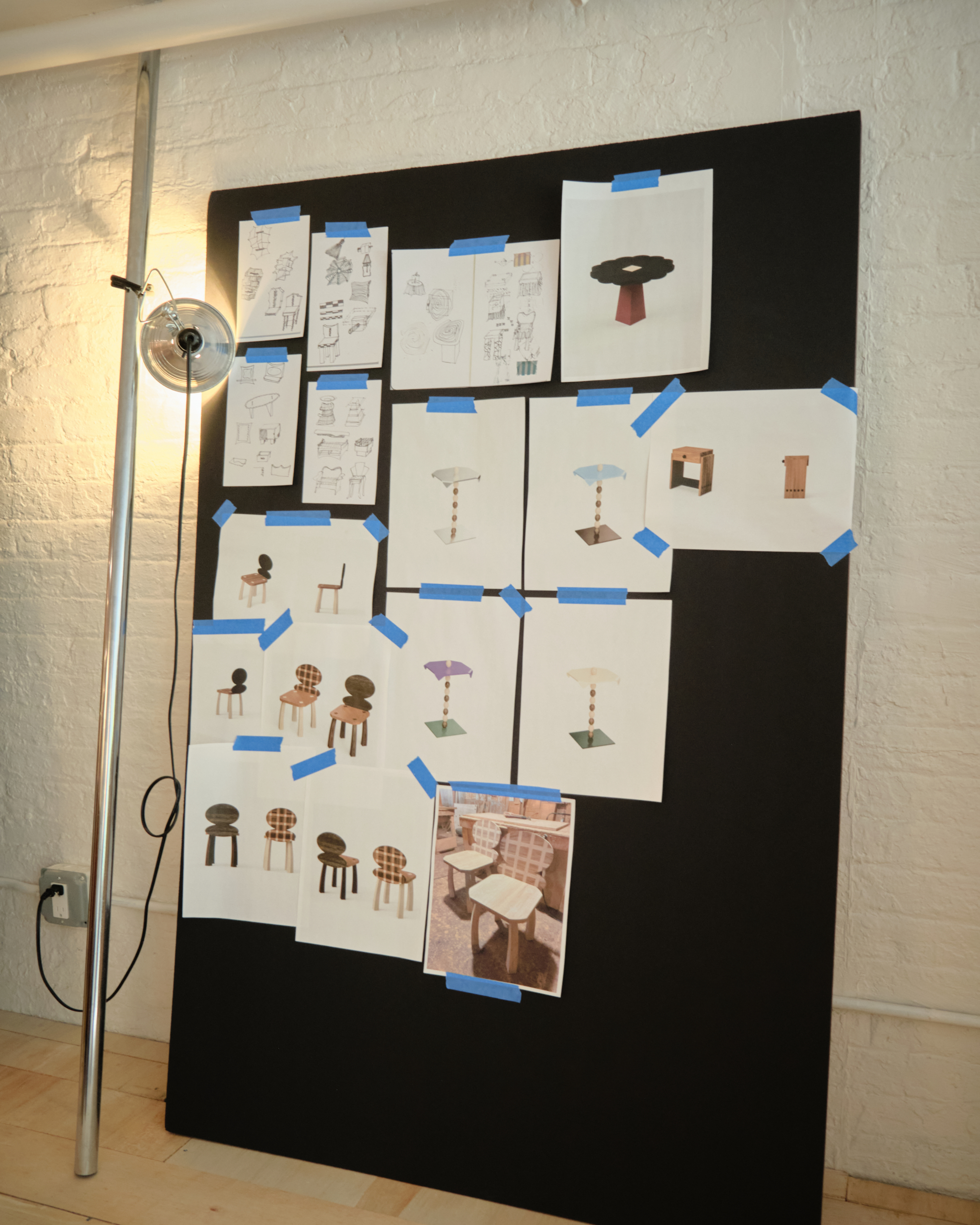
It informs what I make. I like to start with what the people making it can do, then work with that. I’m not dreaming something up in the ether and figuring out the practicalities afterwards. It feels more authentic to be resourceful and make use of what’s available, rather than force an idea onto a place or import a perspective and superimpose it.
I also like being part of the process without having to do every part myself. There can be a beautiful relationship between the designer and the maker: you learn from each other and grow together. I enjoy being a kind of medium between that world and the design world, and, without sounding too corny, between Asia and the West. It’s a way of being part of a community where everyone has a role in creating something.
Your pieces bring together familiar materials and forms in playful ways. How did that visual language develop?
The graphic design background is part of it, and so is growing up with teak, brass and marble. Those materials feel familiar to me. Moving to the US and spending time in Europe also affected my material and colour palettes. I think the practice is about trying to mesh those worlds together in a way that makes sense.
I consume a lot of things. I love Eileen Gray because her work is minimal without being boring. I like Gaetano Pesce’s playfulness and irreverence, and I love Noguchi. But I also consume a lot of pop culture and films. I like mixing high and low.
How do your pieces emerge? There seem to be some repeating elements in your work, so do they evolve from each other?
I designed a desk with a particular leg, and someone saw it and asked me to make a desk for her. She liked those legs, the scallop detail from another table, and a colour palette from somewhere else in my work. The final piece was a kind of Frankenstein version of several things. It was nice to see them come together.
I design quite intuitively, and then it’s satisfying when they still make sense together. It means a form can keep having a life. Someone saw one of my smaller, chocolate-coloured pieces and asked me to make a shoe cabinet, so I adapted the design and made it bigger.
You’ve talked about wanting to create pieces people can connect with in different ways. Is there a piece that captures that especially well?
There’s a chair I showed in Paris this year. I love the idea of a motif that people from different cultures can resonate with. At the opening, a French woman saw my chair and said it reminded her of a tartan table covering. That was a lovely moment.
The pattern came from my dad, who’s Malaysian. He wears a long sarong, traditionally worn by Southeast Asian men at home, with a plaid pattern. It’s something I grew up with, but I like that something so simple can mean different things to different people. A pattern on clothing isn’t the same as one on a tablecloth, but people can see what they see in it. I try not to explain everything – I like the work to stay open to different possibilities.
What other materials are you exploring?
I love textiles, but I don’t really work with them, so I thought it could be interesting to express that feeling through a hard material. I’ve been looking at quilts made from scraps and fabrics that might not be expected to go together.
What does a typical day in your studio look like?
I try to get in around 10am. I have slow mornings, sometimes go for a walk, then get coffee and do emails. We’re near Chinatown, so I get dumplings for lunch quite a lot. Sometimes I scroll through Reels for an hour and then try to lock in. It isn’t especially romantic – most of running a business is emails, invoicing and paying for shipping.
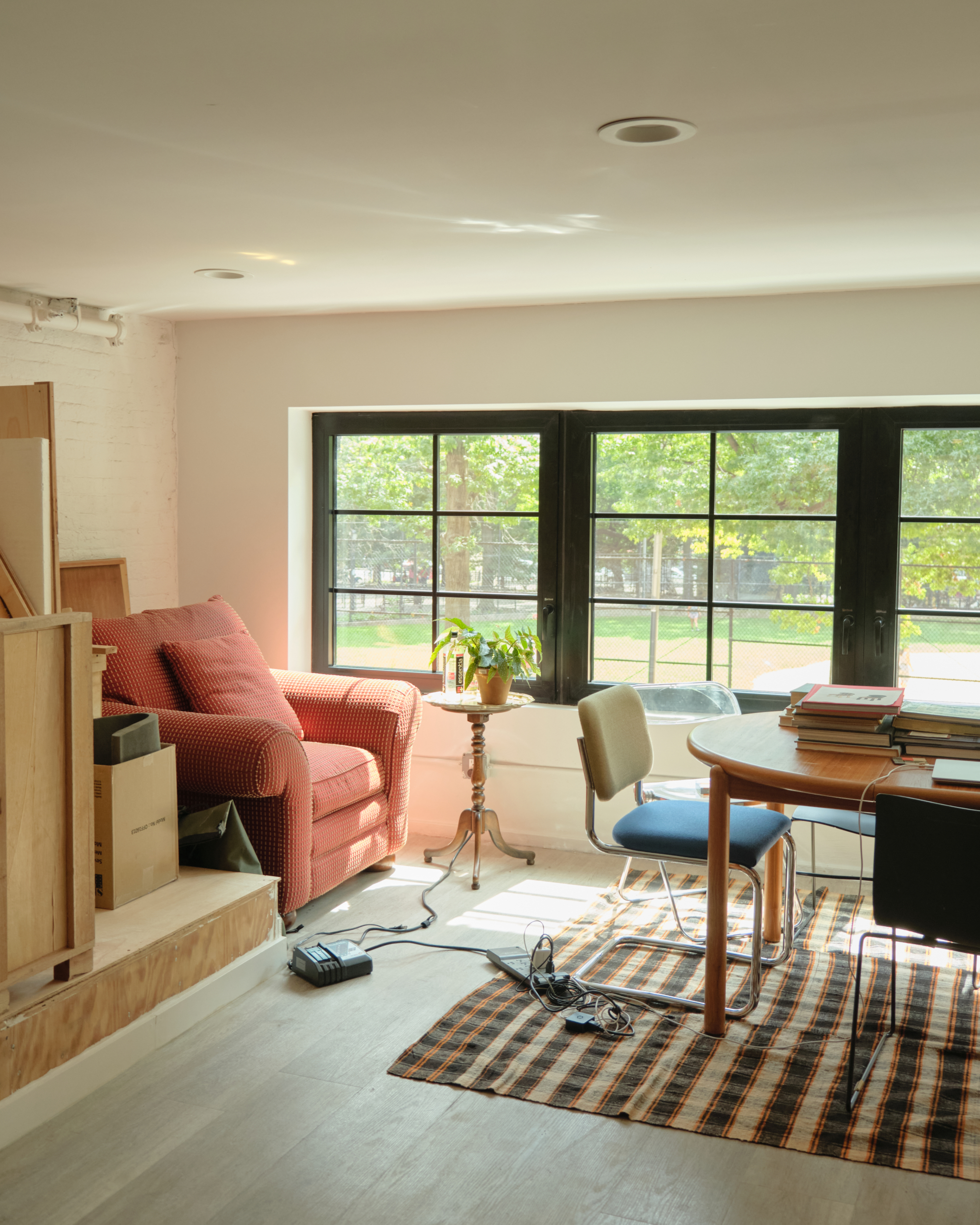
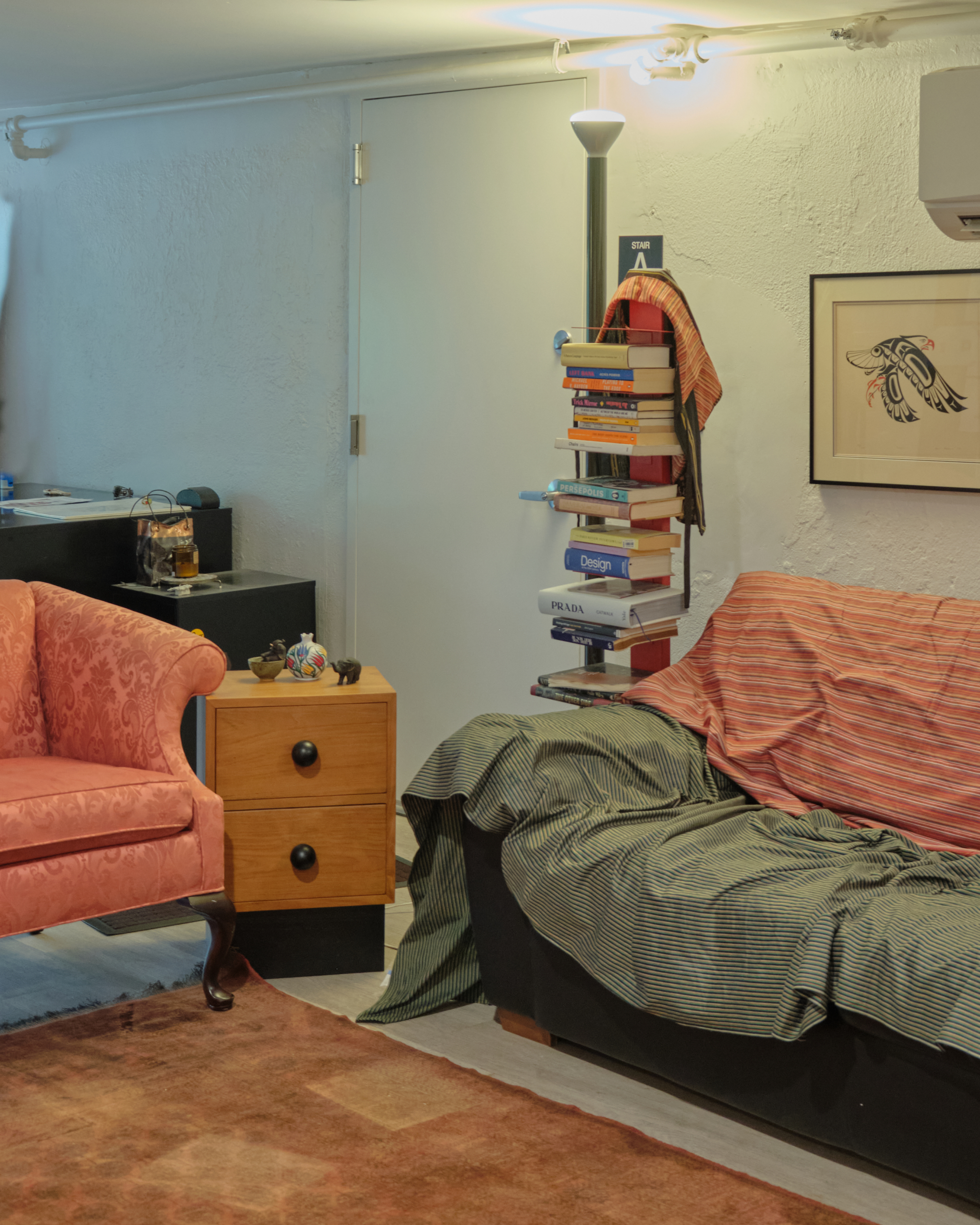
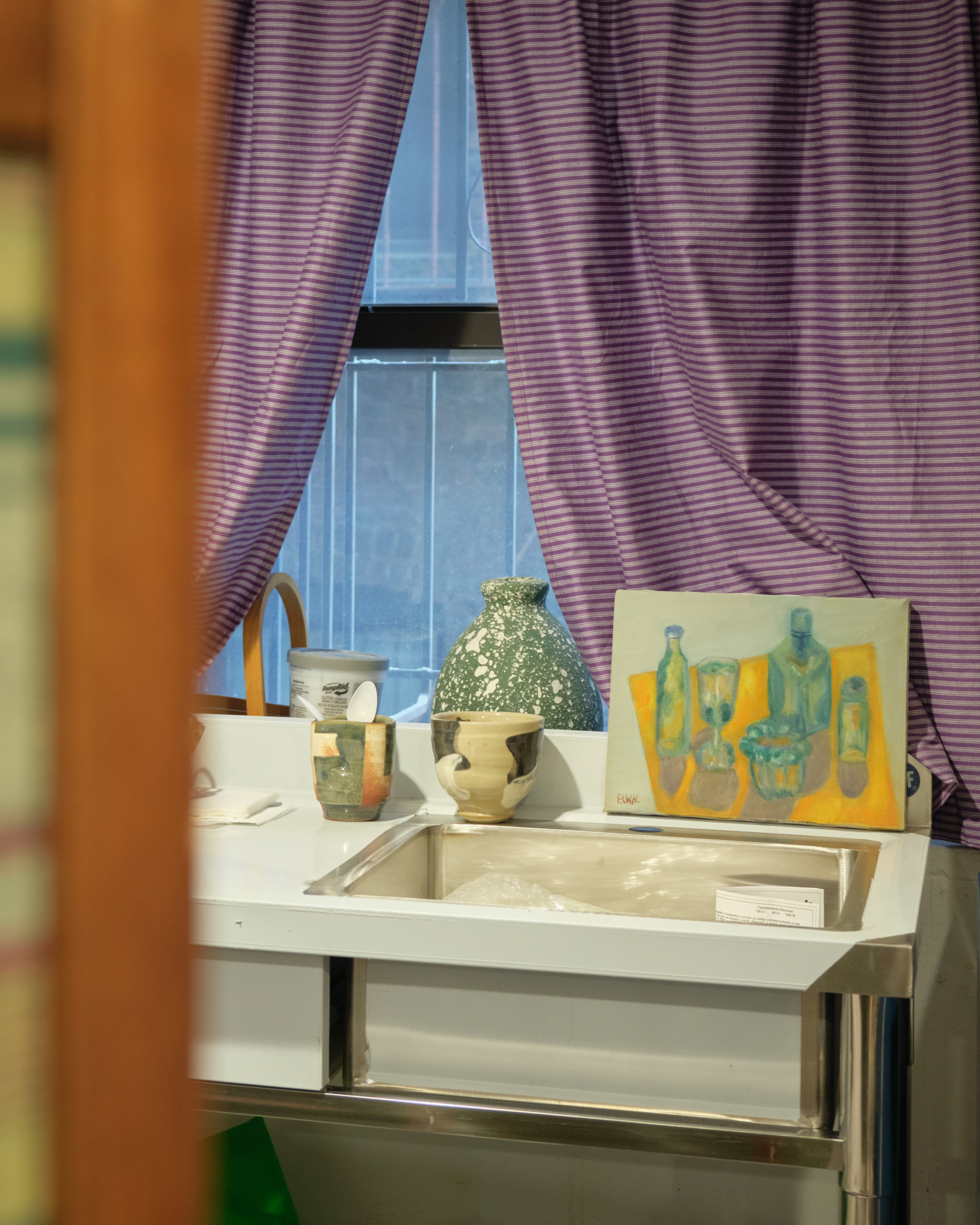
I do like having a space I want to be in. The studio is in an apartment building, and it overlooks a park, which is rare in Manhattan. I need solitude sometimes, so I like being alone, although my husband sometimes comes in to work. Sometimes friends drop in to cowork too and just talk, which does energise me to keep working.
I’ve wanted to live in New York since I was 12, and I’m happy I made it happen. It’s fast-paced and chaotic, and expensive, so you have to be prepared to keep working. It’s a great place if you want to throw yourself into work, but it’s a different way of being. It really does feel like the whole world in a city, with all its overlapping cultures and realities and this insane breadth of human experience. I find being here is great for my practice since a lot of it is based on observation.
What would you like to explore next?
I’d love to design more spaces, not just the things that go in them. Maybe a shop, or some other kind of environment. I’ve done that for myself, but I haven’t had the opportunity to do it as a project yet.
I also want to work more with marble and steel, and expand the material palette because the work has been quite wood-heavy. I’ll be in Indonesia at the end of the year to work on production. And I’m showing existing pieces in Shanghai in November. I’ve always wanted to go there, so I’m excited just to be in the city.
Suggested stories
An Artist’s Home in Hackney with Plenty of Creative Headroom
Going Out, Staying In With Dan Pope
Filippo Muzi Falconi’s World Is Filled With Wonder, Naturally
Making Work – and a Home – Out of Restrictions, Remains and Resourcefulness
A Designer Finding New Forms in Ancient Traditions
A Collector Who Sells – and Lives With – the Things She Loves
Functional Beauty: Jewellery Designer Helena Vieira’s Converted Warehouse Apartment
The State of Design? Designer David Searcy Has Thoughts
Inside Jesse Butterfield’s Studio
Jewellery Designer Jessi Burch’s Brooklyn Apartment is a Portal into her Mind
How “primitive craft” and “contemporary production” come together at Lewis Graham’s studio
An Apartment With No Sofa But 50 Lamps
A Happy Family Collaboration in De Beauvoir
How “The Muse of Spirited Resourcefulness” Guided The Making of Glass Artist Juli Bolaños-Durman’s Edinburgh Home
ON UGLINESS WITH DAVID MICHON, AUTHOR OF FOR SCALE
The Home That Thomas Wheller Is Making
Designer Jake Robertson’s Home is a “Living Library”
Jewellery Shaped by Architecture, History and the Human Hand

THE SCURA GUIDE TO GOSPEL OAK & AROUND
Scura Selects: November 2025
Luke Malaney’s Work is Always in Motion
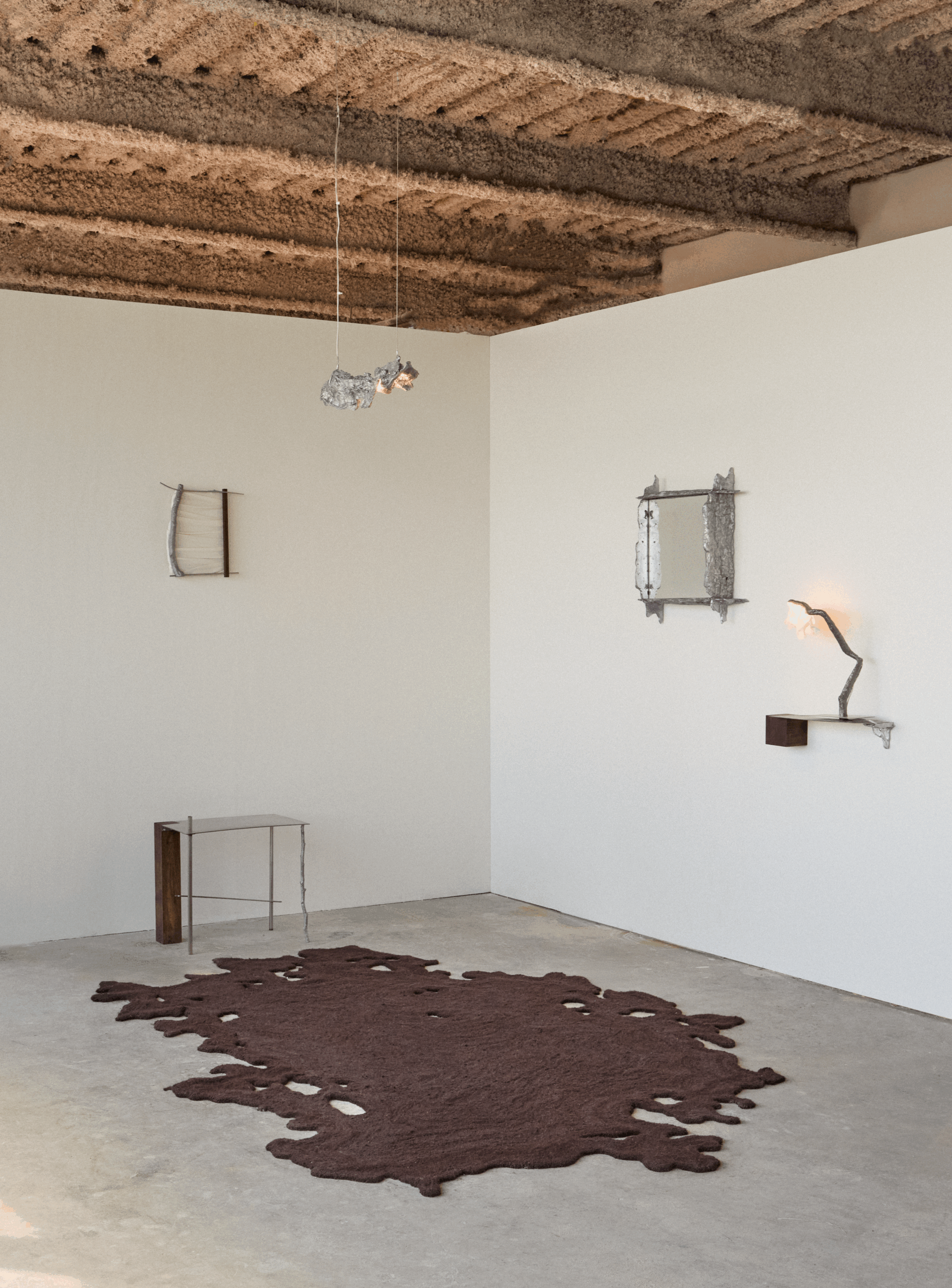
Going Global: Reflections and Recommendations from Flawk’s Show at Collectible NYC
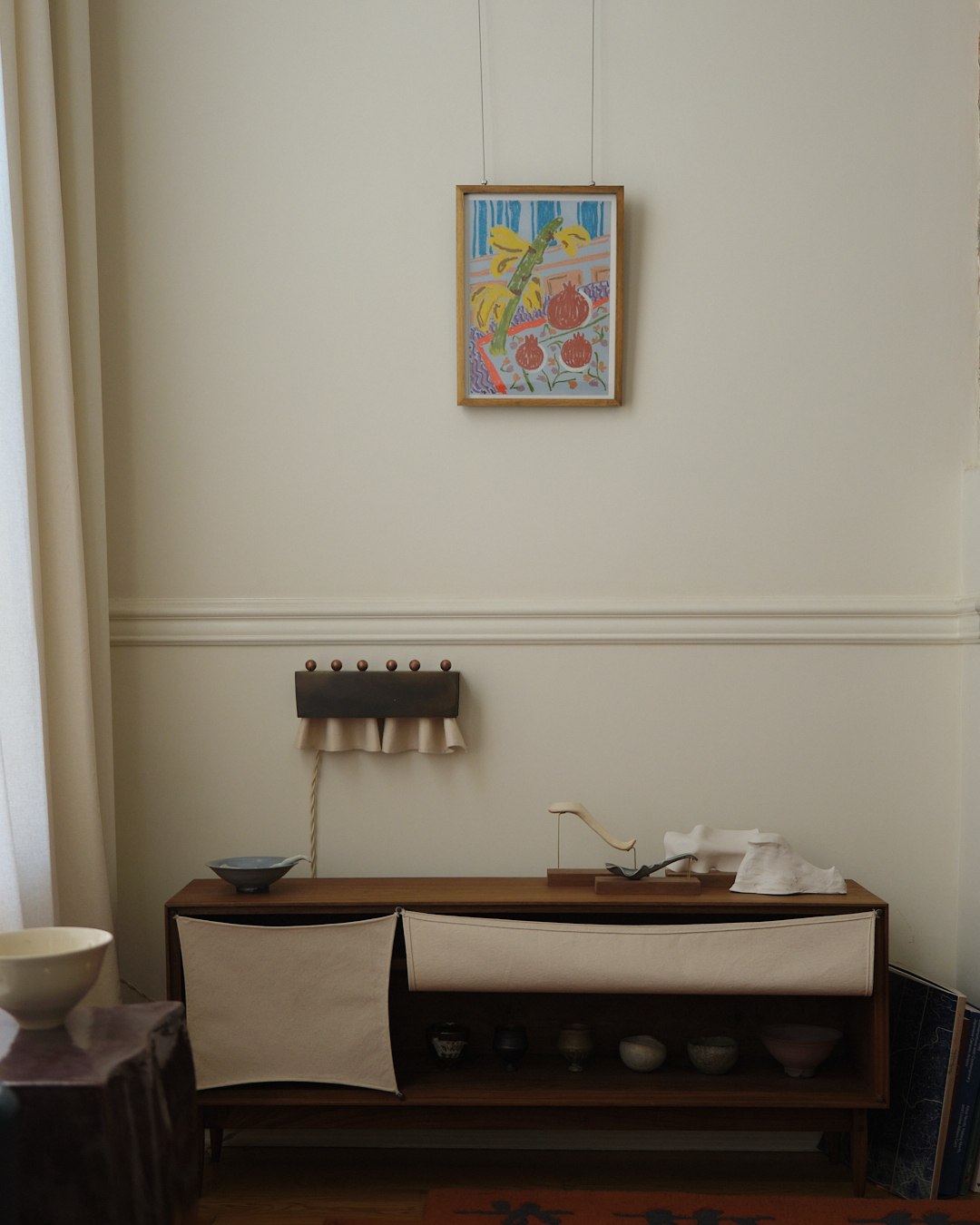
The Fluent Creativity of Liyang Zhang
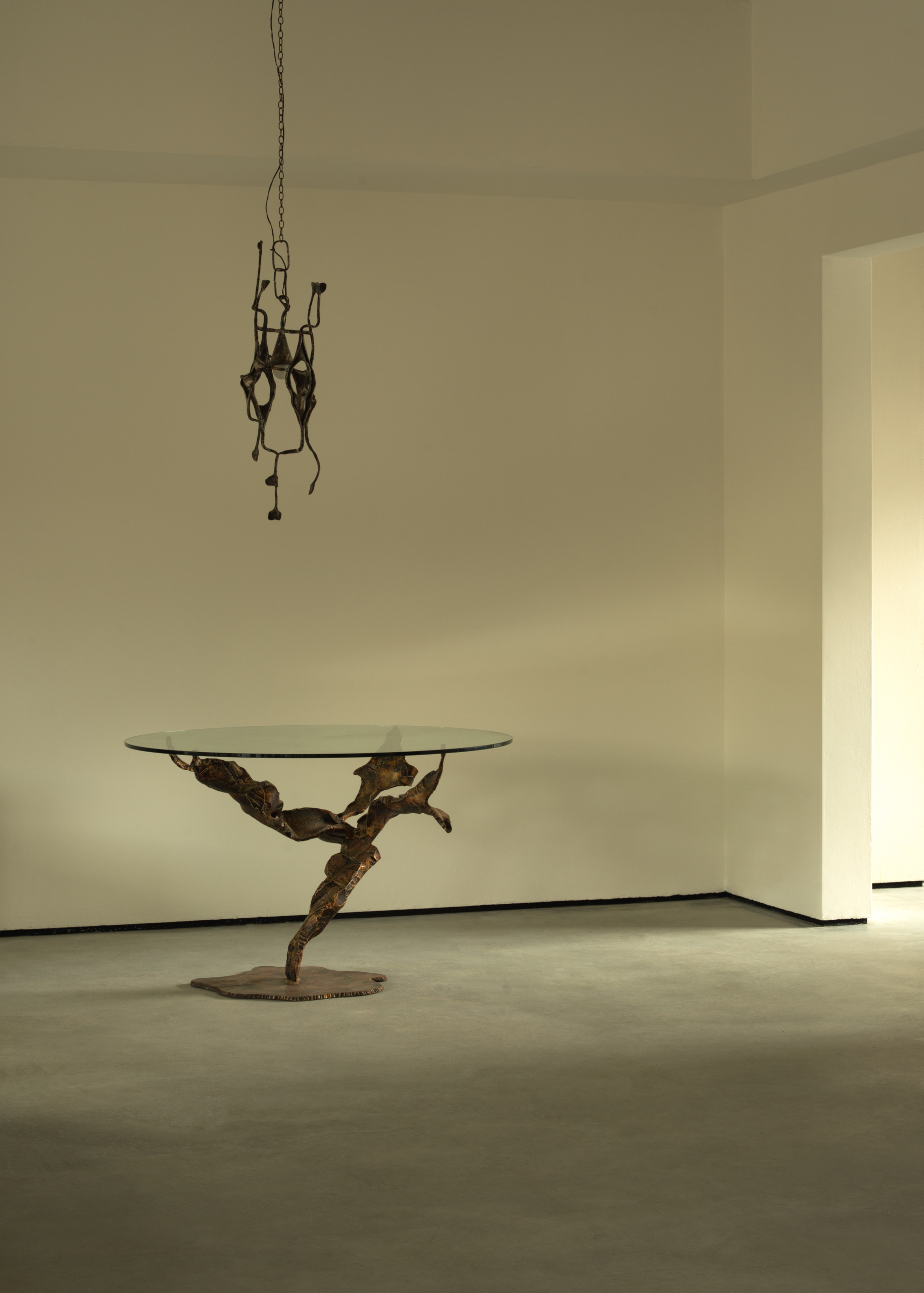
SCURA Selects: What to see at Open House & LDF
FRIENDS OF SCURA: ALEXANDRA ARIAS
What is Flawk?
A Design Duo’s Reunion with a Family Farmhouse in Alsace
The best eats in London under £20
Introducing the Flawk Shop: a new home for a family of objects
An Architectural Adventure in Finland’s Far North
Freddy Tuppen’s Flat Keeps Getting Better
A Slower Guide to Istanbul

Inside A Copenhagen Apartment Shaped By Instinct, Collaboration and Kerbside Finds
A Guide to Copenhagen, Curated by a Design Duo We Love
Step Inside Tom Golland’s Colour Playground
Picasso Chairs and Playful Precision: Josh Page’s Creative World
Ajay Larr on the Architecture of Food and Why Meals Matter
A Slower Guide to London
The Scura Guide to eBay
The Homespun Beauty of Textile Designer Isabel Farchy’s Patchwork Panels
NYC Design Getaways
Our friends: PPP LAB on crafting for simplicity and usability
Hidden Feasts: Jiaonest
Scura’s Guide to Independent Stoke Newington
Welcome to Scura