The pleasures of small things: at home with Elliot Nash
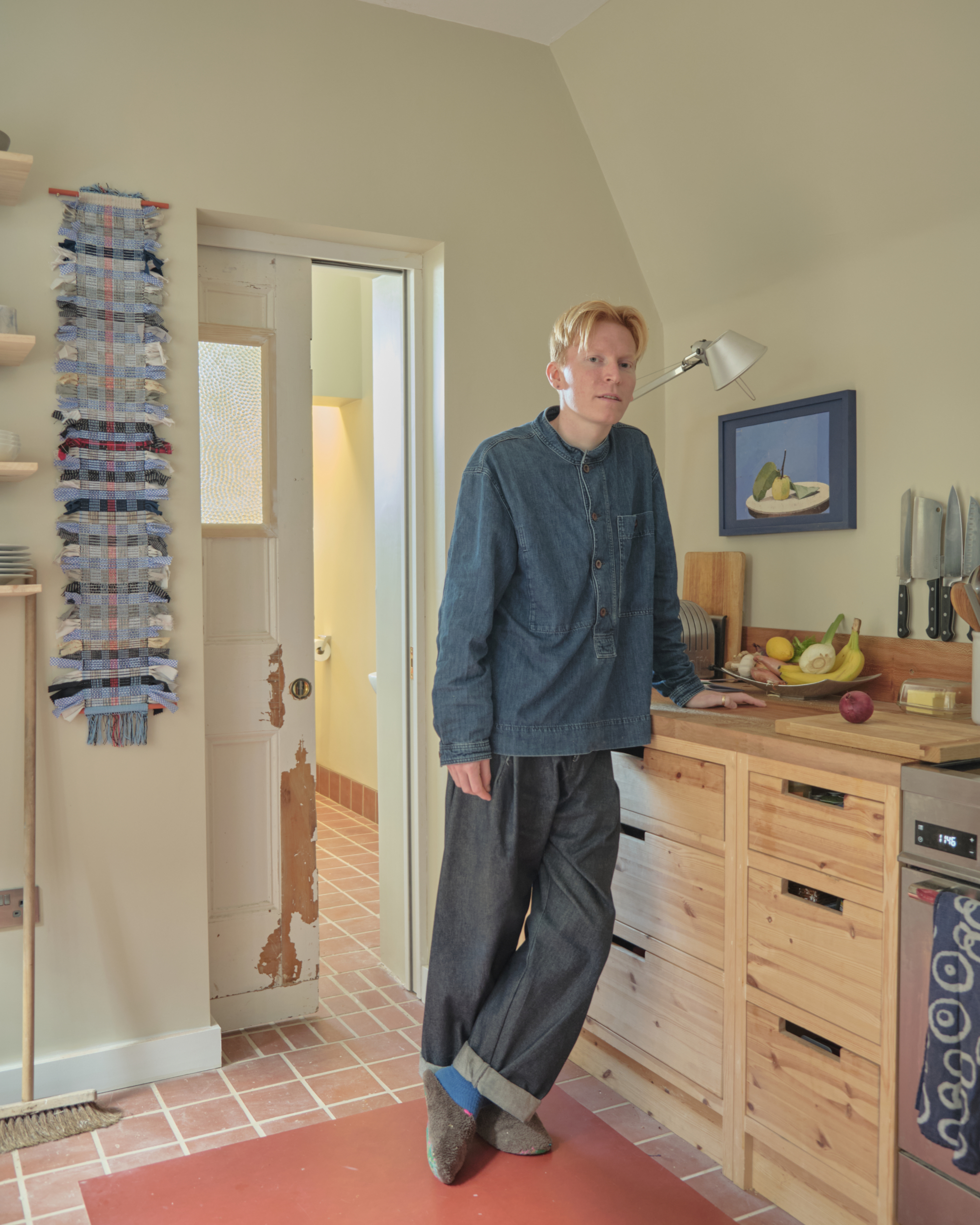
For some architects, designing a big public building like a stadium or airport represents the zenith of the profession – and the more complex, sprawling and ambitious the better. Elliot Nash is not one of them. For him, working on the relatively intimately sized Museum of the Home in Hoxton was such a high – “beautiful interventions, really fun to work on, really impactful” – that failing to see how anything could top it was one of the reasons he left practice to teach instead last year. “The bigger the projects got, the more uncomfortable I was. I just like the pleasures of smaller things,” he says.
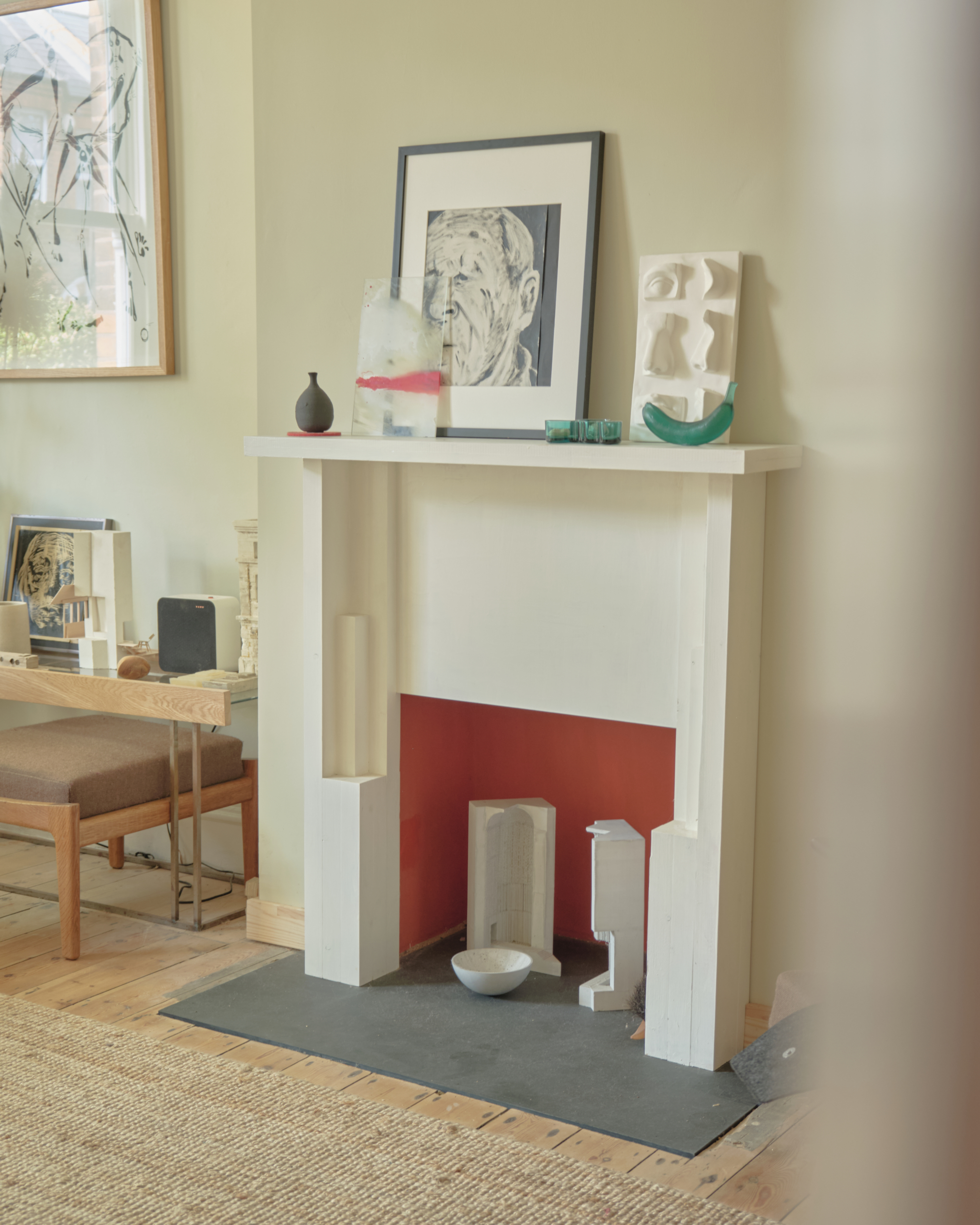
At his one-bedroom ground-floor flat in Walthamstow, that love of minutiae has transformed what was a pink-carpeted, palpably uninhabited and unloved space into a home whose four rooms are like worlds waiting to be discovered, so alive are they with delightful and surprising details. “I’ve done it little bit by little bit, so it’s a kind of series of rearrangements and edits, rather than big architectural moves,” he says, pointing out the datum line at seated eye level around which he has arranged the front room.
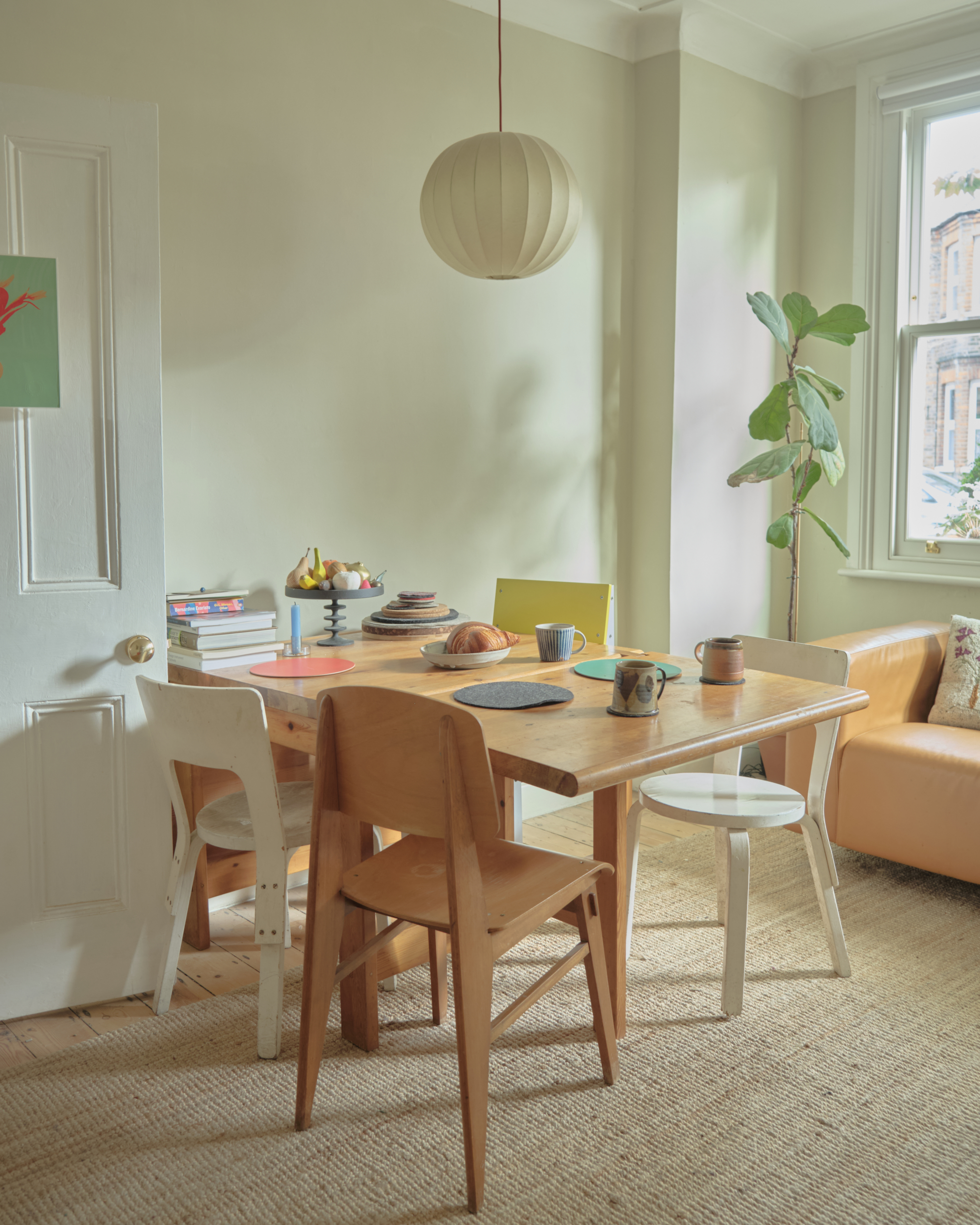
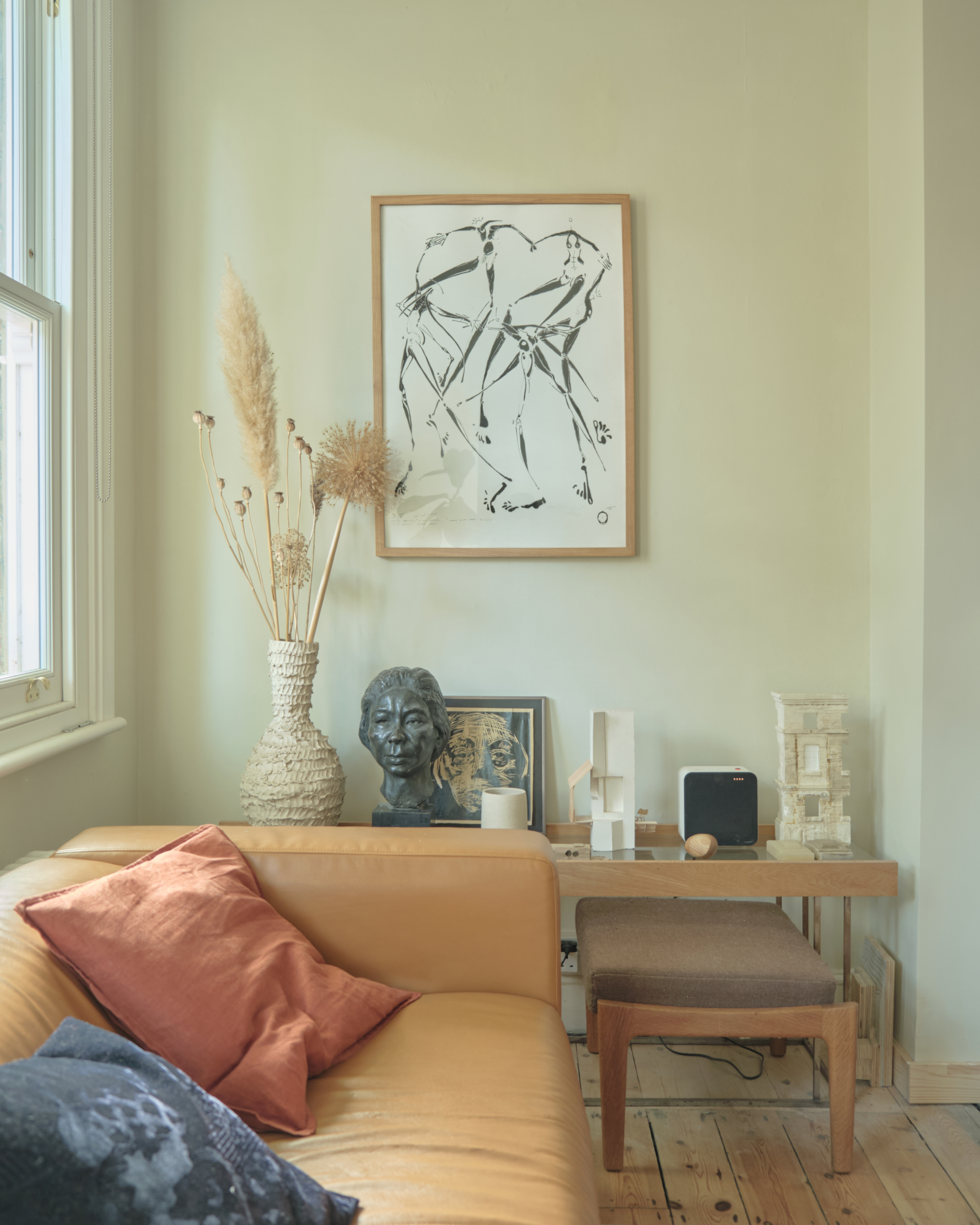
Elliot bought the place three and a half years ago – a move that is a homecoming of sorts. His mum’s side of the family can trace their roots in Walthamstow back to the mid-1800s, and his grandparents lived not far from where we are today for over 50 years. Like Elliot’s place, theirs was part of the Warner Estate, built in the late 19th century as streets of affordable ‘workers’ cottages’ of varying sizes, ranging from one-bed flats to a small number of houses, one of which his grandparents had. “The idea was that everyone had their own front door and their own bit of garden,” Elliot explains. “It was quite a pioneering idea at the time.” Buying not only a flat in this area, but one on the same estate as his grandparents, means “there’s a kind of comfortable sense of belonging. These streets and houses are very nostalgic to me,” Elliot explains.
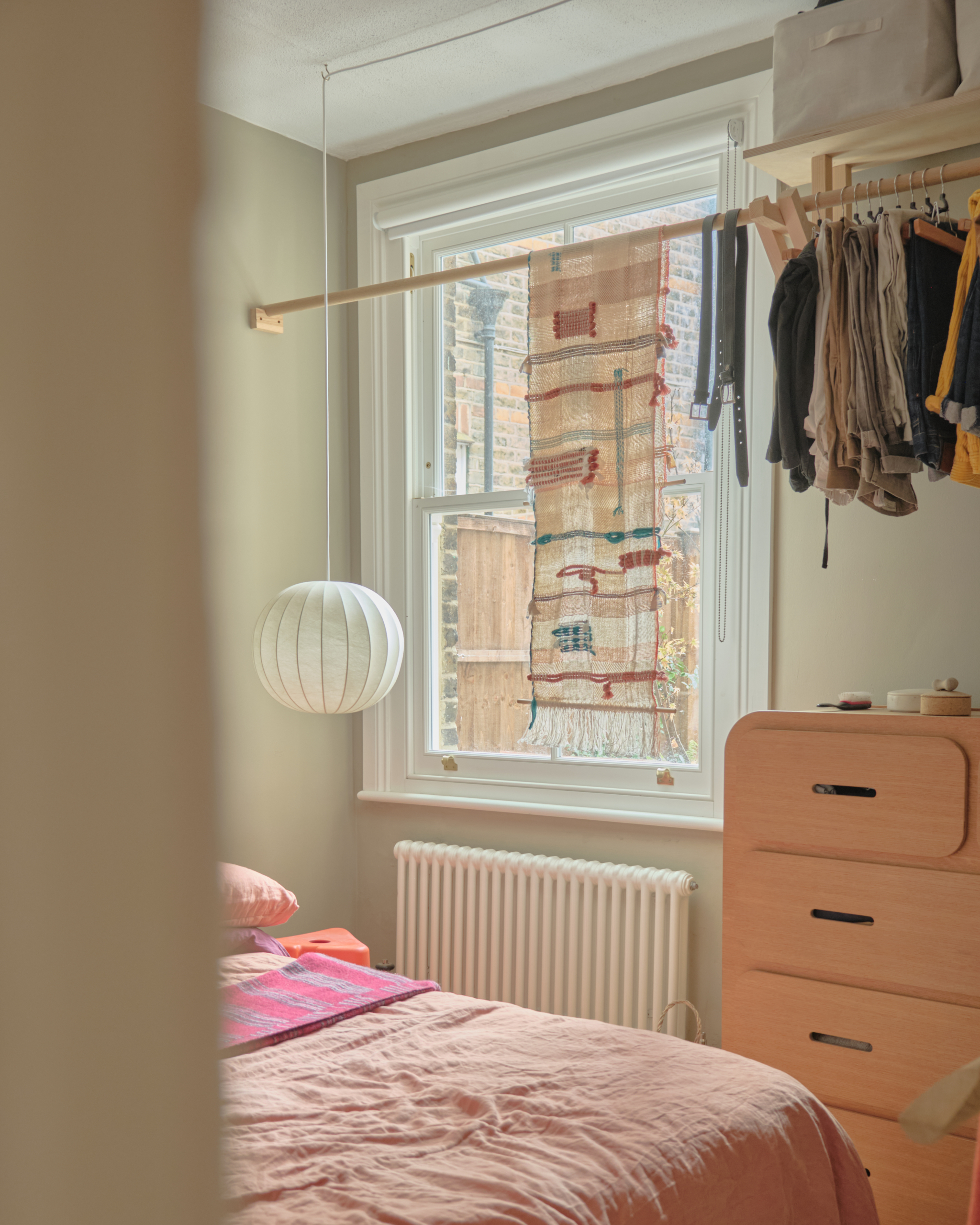
A sense of history has grounded the refurbishment too. “I like to start with the original proportions and what a building was intended to be,” Elliot explains. Here, that meant confronting the fact that the Warner Estate houses “were probably relatively cheaply built and not actually that designed,” he explains. Interpreting that as a sort of down-to-earth simplicity, Elliot explains how he “wanted to make the bones visible, to strip everything back and then place things back in a logical way”. It also meant that he didn’t feel overly beholden to conservation: a previous owner had removed the chimney breasts in the bedroom and kitchen, freeing up space and squaring off the proportions. As Elliot summarises, “The bones in it were fine and the right bones had been taken out.”
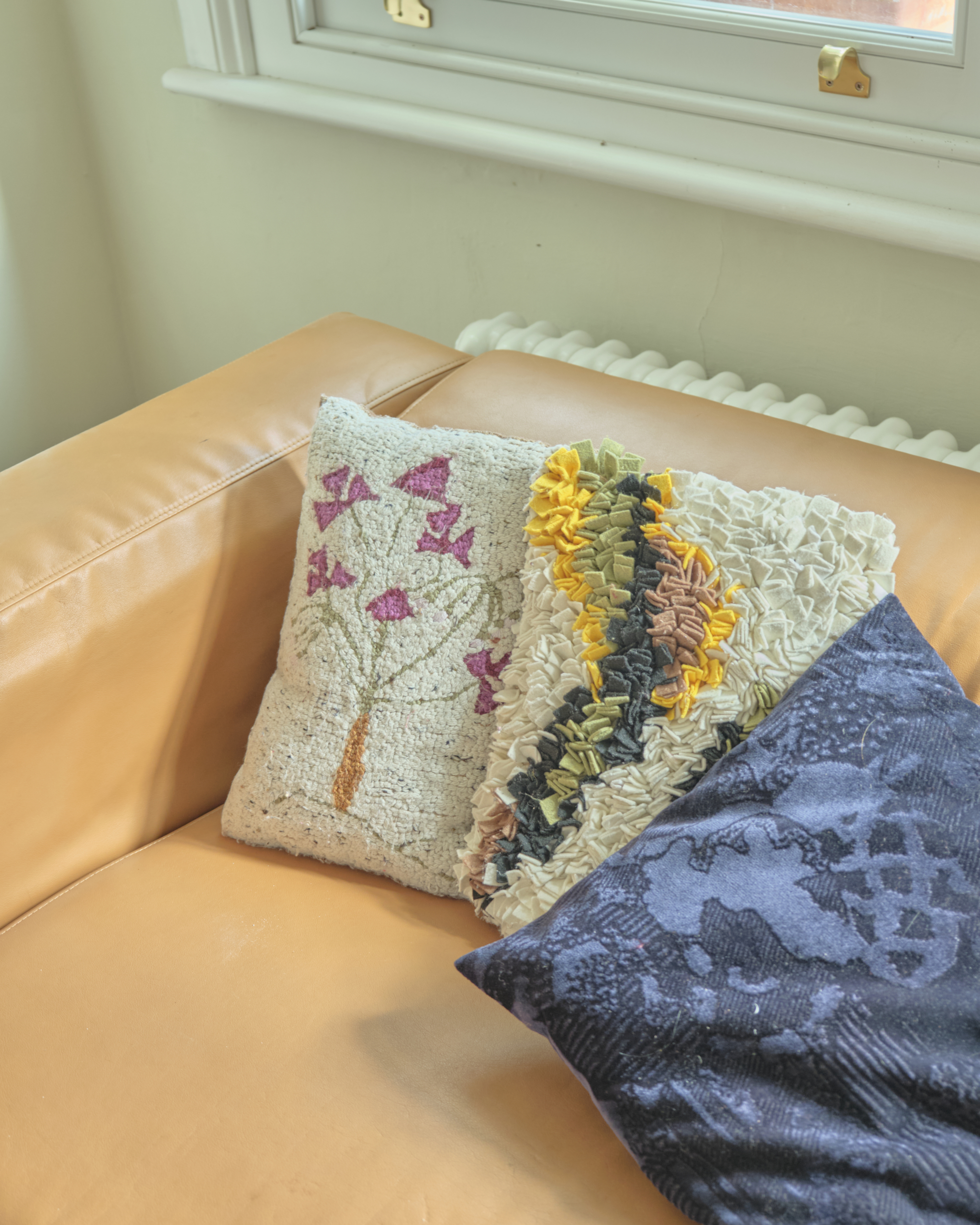
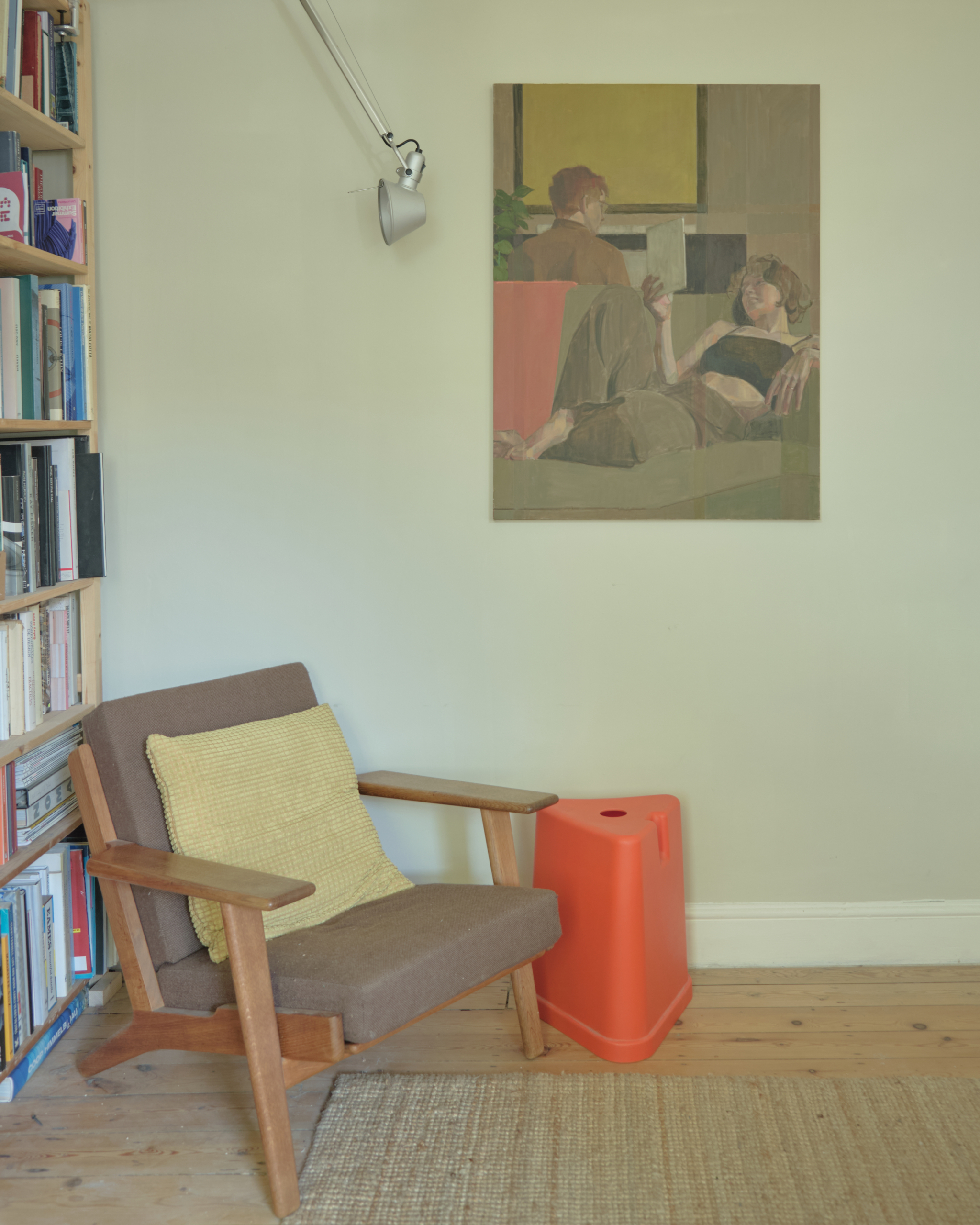
Well, almost all of them: Elliot also removed a wall under the stairs in the entrance hallway. It became apparent that this was necessary soon after he got the keys, when the artist Kayoon Anderson came to drop off a painting Elliot had bought himself as a moving-in gift. “She was one of the first people to come round and she just stood very patiently on the doormat in what was a very narrow corridor with nowhere to naturally take off your shoes,” he explains. Kayoon’s painting, which now hangs in the living room, became key to the flat’s palette, with Elliot picking furniture, fixtures and paint based on its colours. “It’s that Kettle’s Yard thing of the lemon next to the Miró. If you took that painting away, the flat wouldn’t quite feel balanced,” Elliot says.
There are many more details in the flat that make it uniquely Elliot’s, though. The kitchen, inspired by Donald Judd’s in Spring Street, NYC, is a “series of pieces of furniture” that Elliot has designed himself and fitted in around free-standing appliances. Pine cabinets with worktops made of London plane sourced from a tree felled in Soho Square – “posh wood” – sit between a stainless steel cooker and second-hand fridge. Doing it this way, rather than buying an off-the-shelf fitted kitchen, allowed him to control costs and “choose where I put the money”. The big investment was the steel sink unit, which, despite his best attempts on eBay and Gumtree, needed to be bespoke to accommodate a washing machine and under-counter bin.
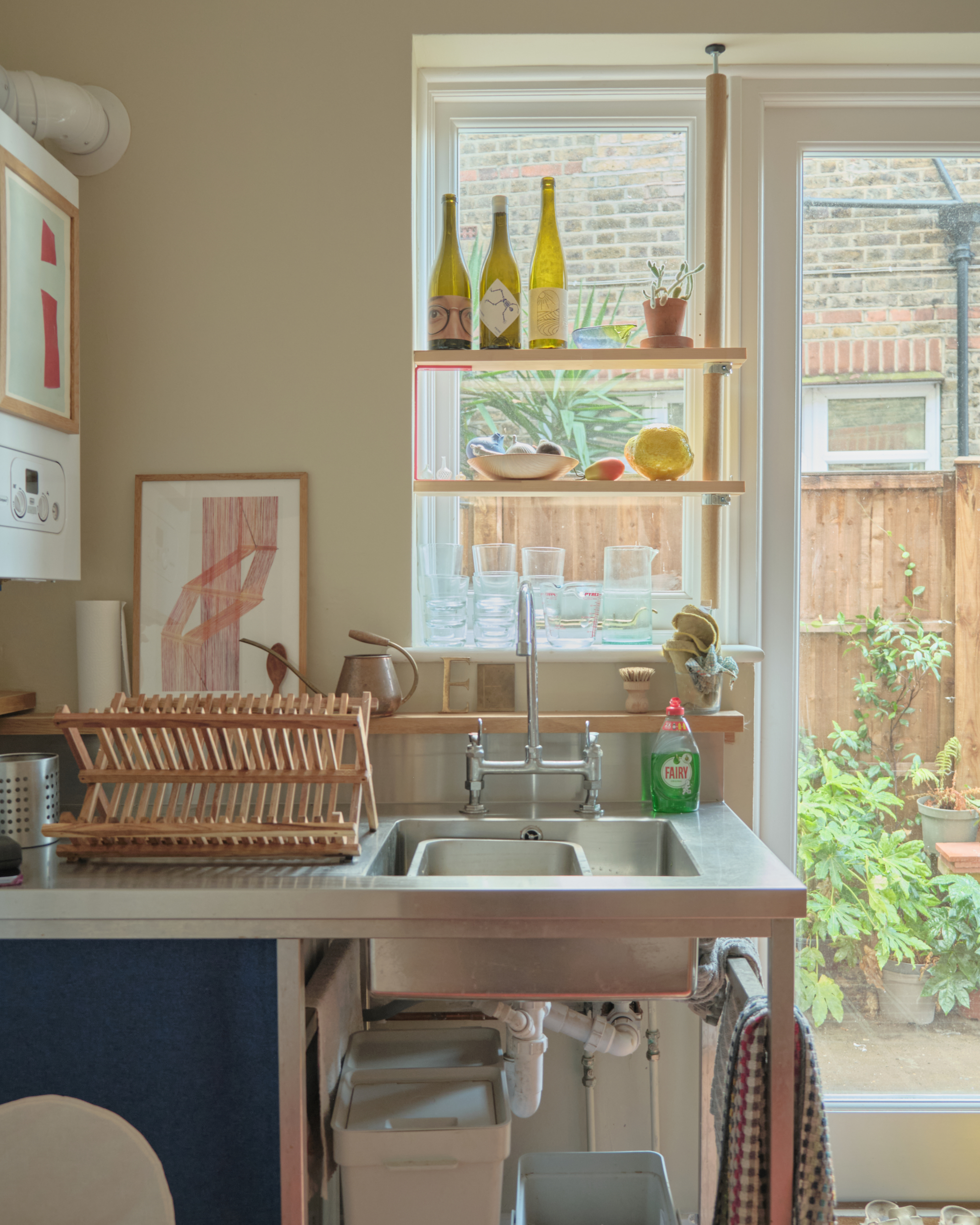
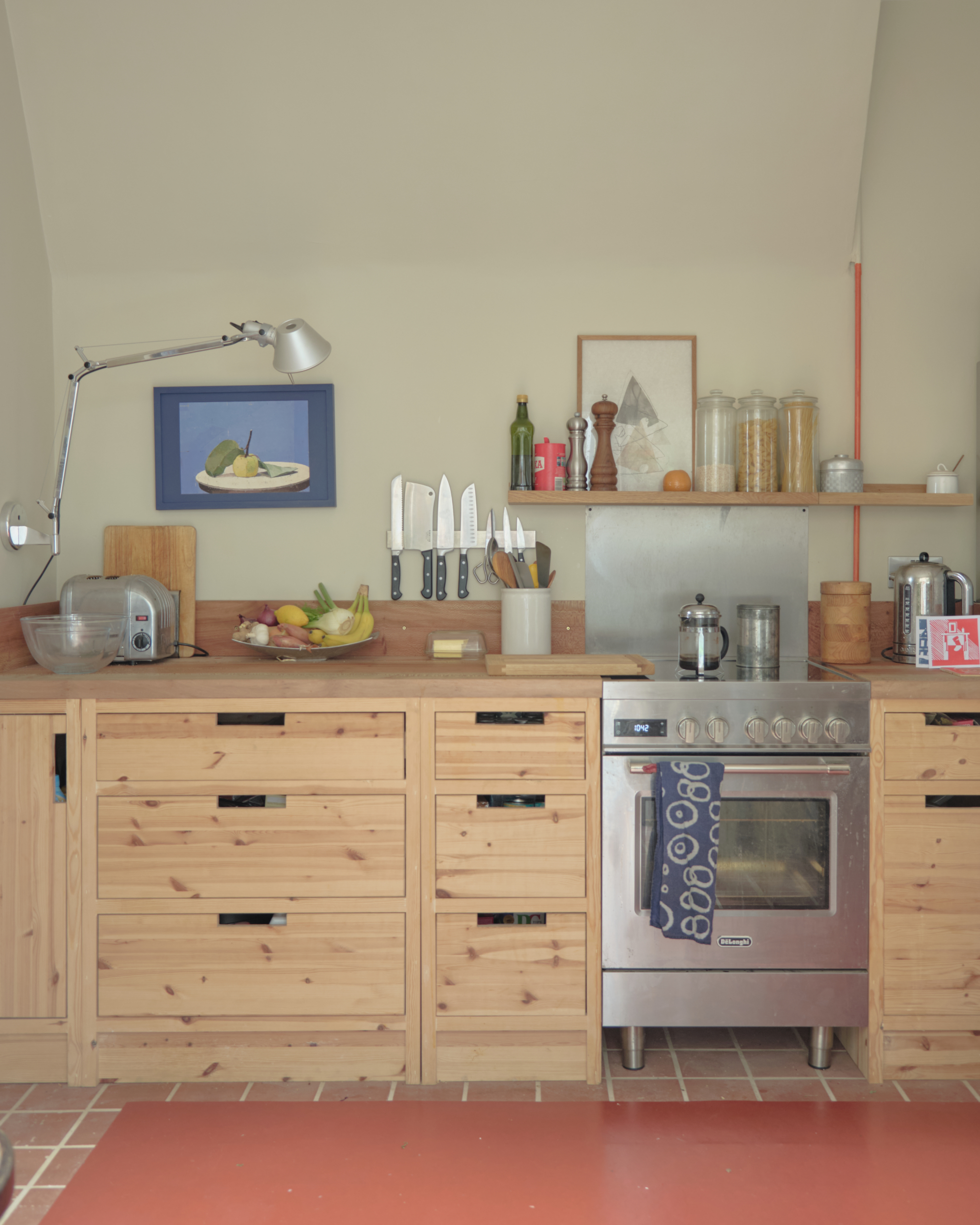
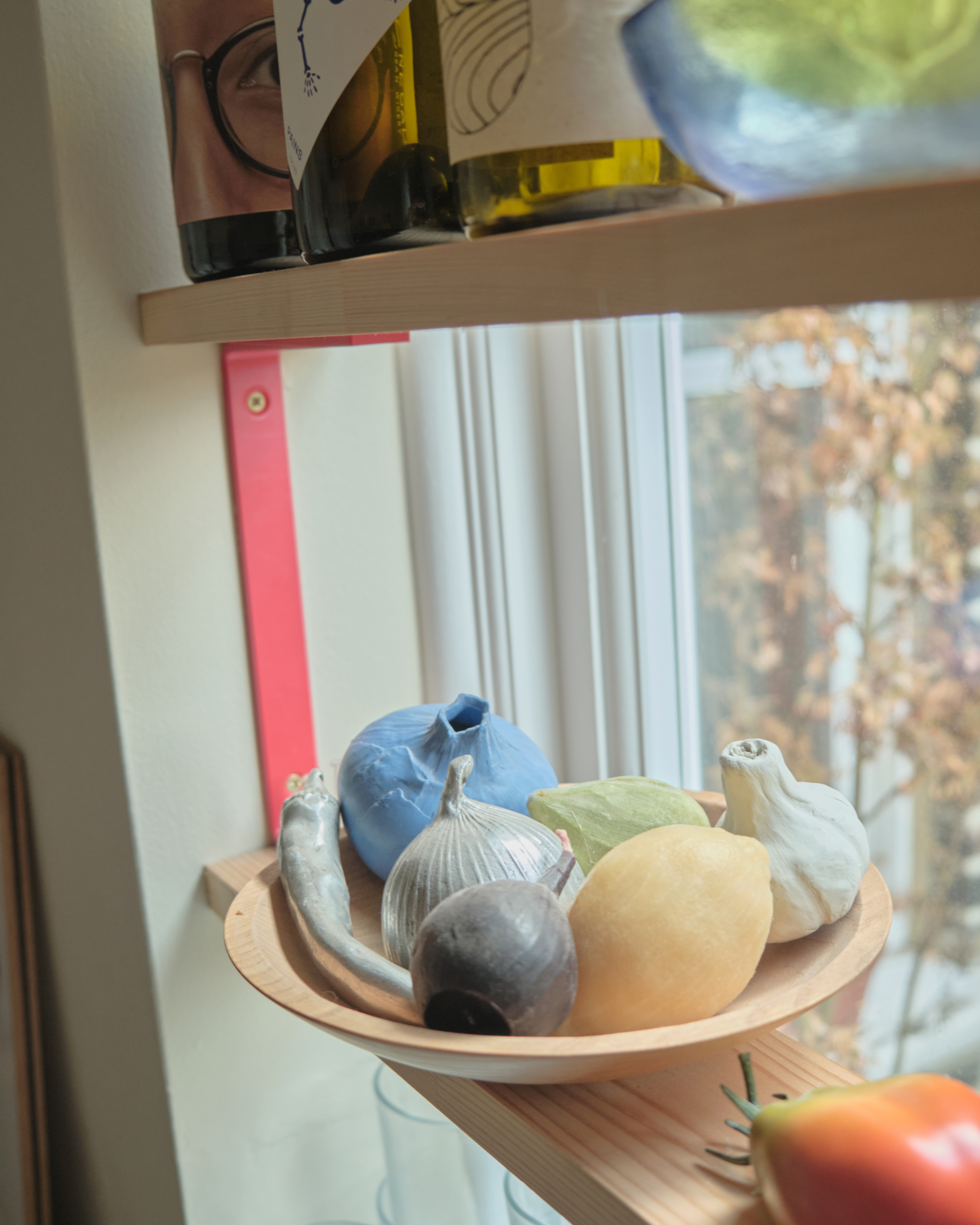
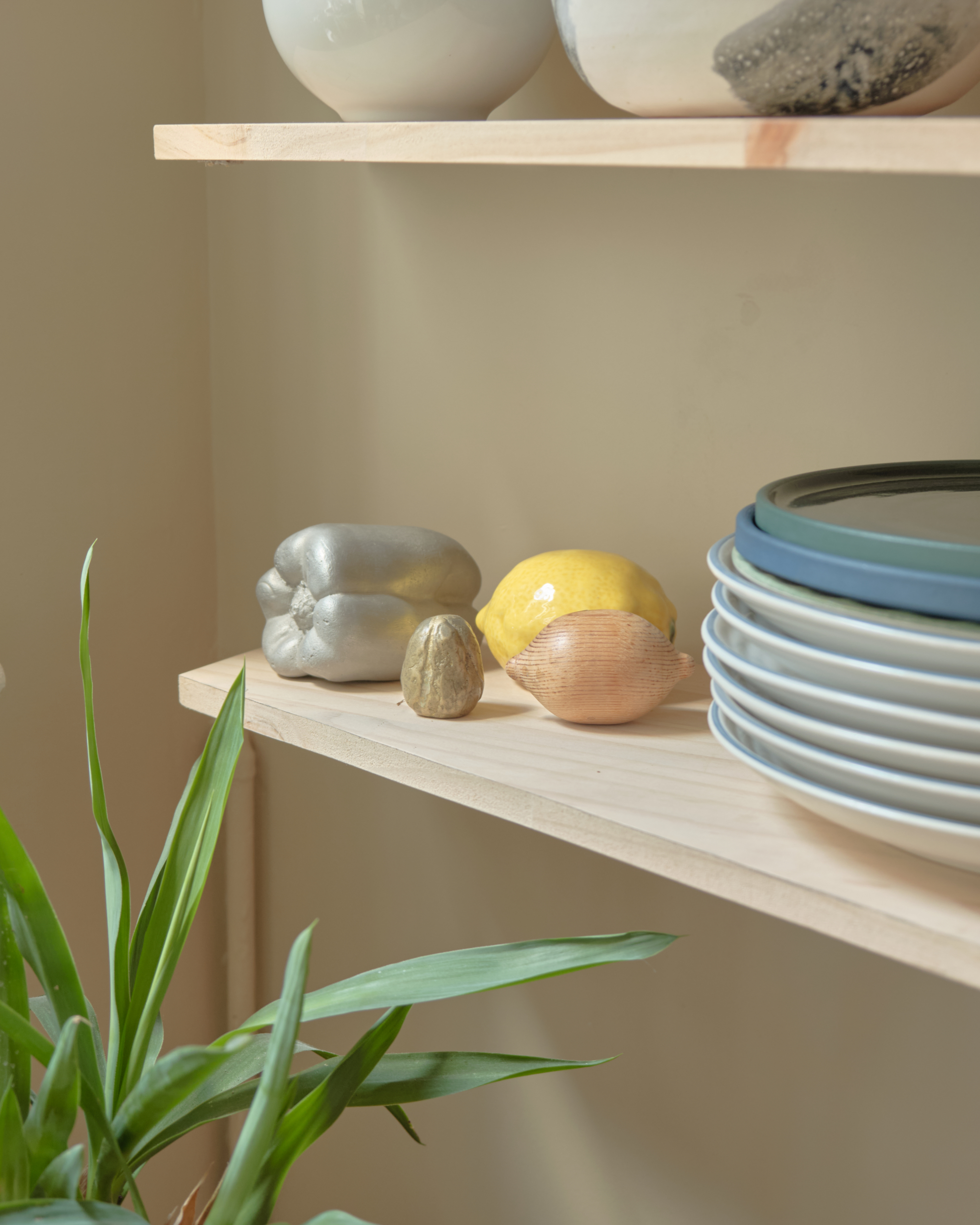
Completing the kitchen are bespoke ledges and shelves Elliot has slotted around the units and across windows: both immensely practical and domestic feeling, they embody Elliot’s belief that a home should be hardworking but beautiful. “I cook every night, which is why it’s half a commercial kitchen with the stainless steel, but then the warmth of the timber to make it homey,” he says.
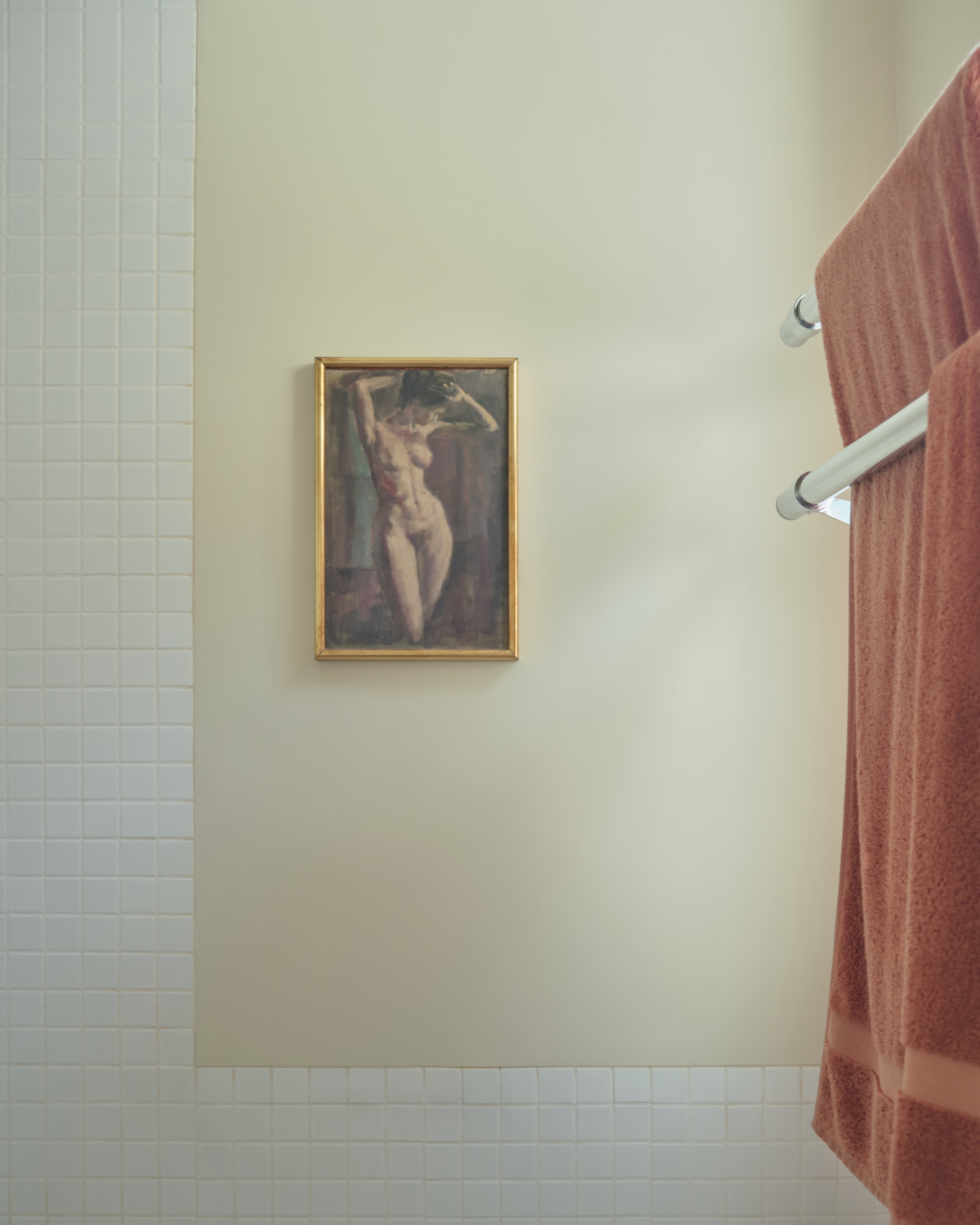
The latest room to put these ideas into practice is the bathroom, the only part of the flat Elliot considers “a kind of architectural project, with working drawings”. The practical work began with building out a wall between the kitchen and bathroom to hold the plumbing, a shower niche and flush cupboards. “It’s a hardworking wall,” he says. The door was moved to fit the bath, and two deep-set rails over the window keep towels within reach and add privacy from the shared garden. The beauty lies in how these elements are finished. The door through to the kitchen is made from two old doors, with the glass from the original toilet door set into the panels of the other: a “kind of Frankenstein-esque door”, as Elliot puts it. Square quarry tiles wrap up the side of the bath and run around the room as a flush skirting, “like a heavy carpet draped over the floor”. White mosaics cover only the walls that need them, which leaves room for art, including a small female nude by the shower.
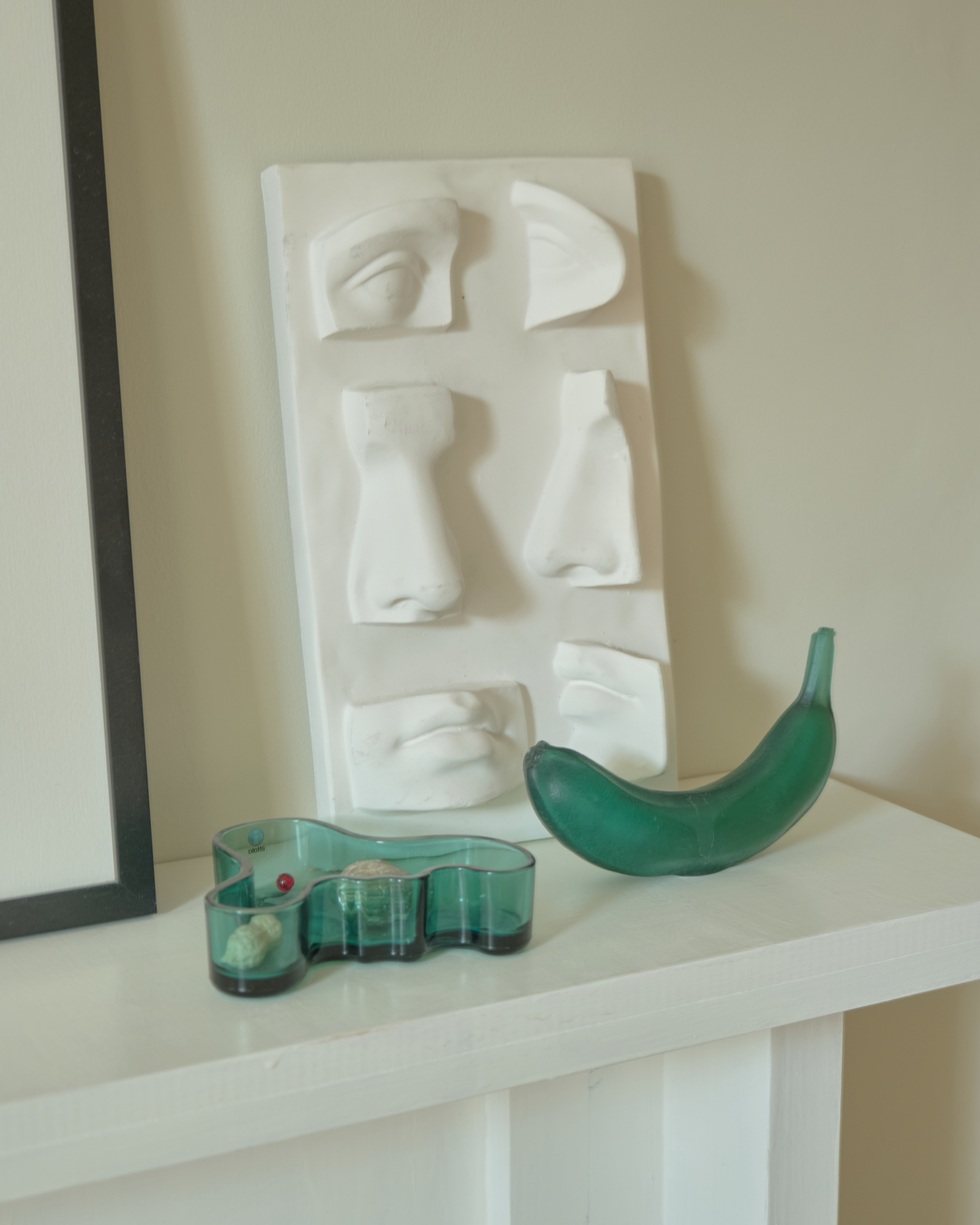
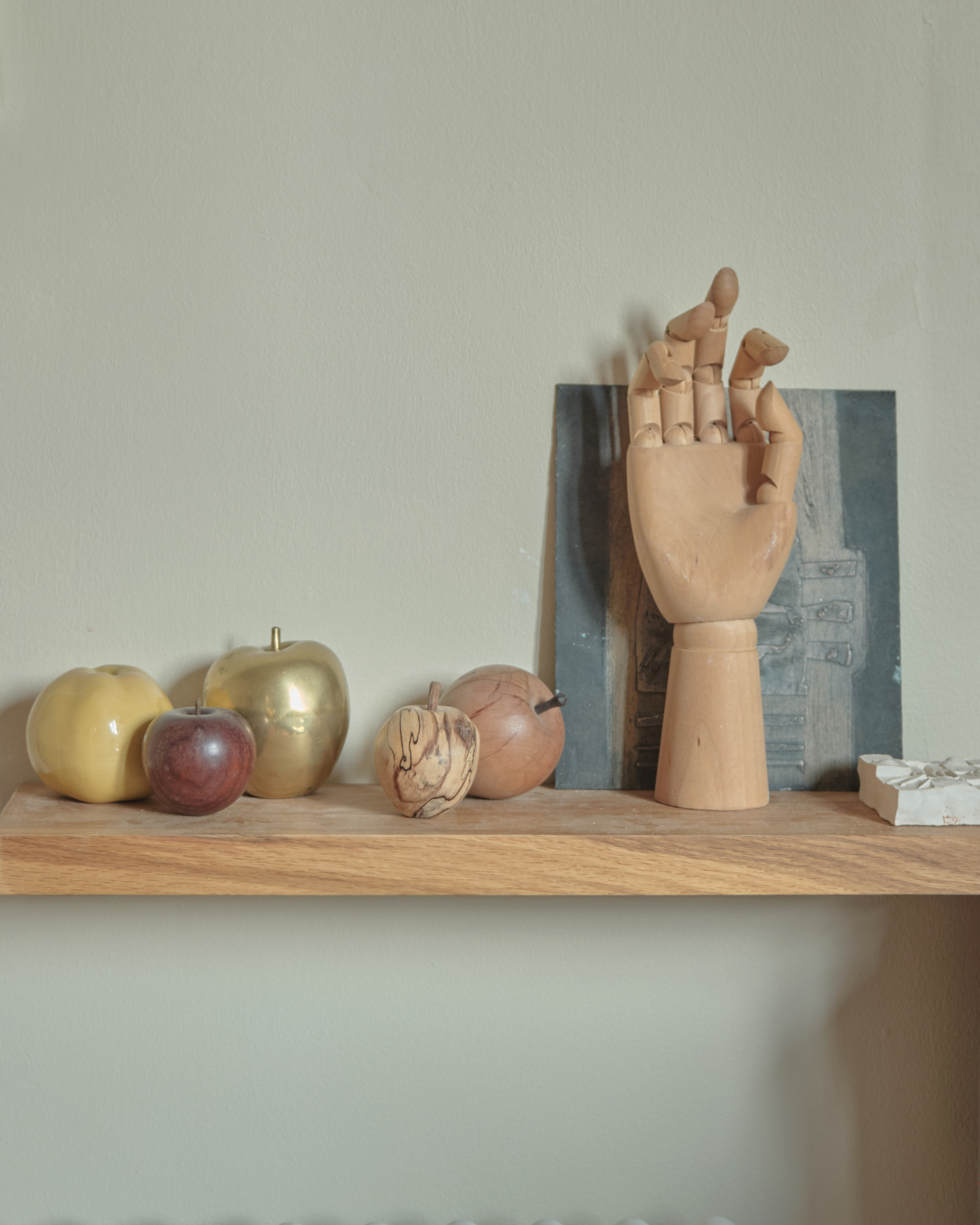
In a flat that has run out of room for furniture, the walls accommodate Elliot’s growing collection of art, much of it by or from friends. But it’s his smaller, more humble model fruit collection that has spread furthest. “I intended it just to fill the bowl and it’d just be a nice thing, but then, yeah, you can’t stop,” he says. The first piece was one he cast himself in a two-part mould while teaching first-year students. A bronze fig followed, and now pieces friends bring back from their travels are mixed in with flea market finds and a glass banana his twin sister bought as a 30th birthday present. He looks for material variety through plaster, porcelain, wax, soap and timber, and for pieces that are a little imperfect, like a second, naively carved banana, or feel surprising in the hand, like a heavy brass pomegranate. Another chair might not fit, but there is always room for more fruit. “They’re only small,” he says, “so I can always get another one.”
Suggested stories
Fiona Mackay’s Brooklyn Apartment Is a “Cacophonous Harmony” – and All the Better for It
Faezah Shaharuddin is Making Furniture On Her Own Terms
An Artist’s Home in Hackney with Plenty of Creative Headroom
Going Out, Staying In With Dan Pope
Filippo Muzi Falconi’s World Is Filled With Wonder, Naturally
Making Work – and a Home – Out of Restrictions, Remains and Resourcefulness
A Designer Finding New Forms in Ancient Traditions
A Collector Who Sells – and Lives With – the Things She Loves
Functional Beauty: Jewellery Designer Helena Vieira’s Converted Warehouse Apartment
The State of Design? Designer David Searcy Has Thoughts
Inside Jesse Butterfield’s Studio

Jewellery Designer Jessi Burch’s Brooklyn Apartment is a Portal into her Mind
How “primitive craft” and “contemporary production” come together at Lewis Graham’s studio
An Apartment With No Sofa But 50 Lamps
A Happy Family Collaboration in De Beauvoir

How “The Muse of Spirited Resourcefulness” Guided The Making of Glass Artist Juli Bolaños-Durman’s Edinburgh Home
ON UGLINESS WITH DAVID MICHON, AUTHOR OF FOR SCALE
The Home That Thomas Wheller Is Making
Designer Jake Robertson’s Home is a “Living Library”
Jewellery Shaped by Architecture, History and the Human Hand

THE SCURA GUIDE TO GOSPEL OAK & AROUND
Scura Selects: November 2025
Luke Malaney’s Work is Always in Motion
Going Global: Reflections and Recommendations from Flawk’s Show at Collectible NYC
The Fluent Creativity of Liyang Zhang
SCURA Selects: What to see at Open House & LDF
FRIENDS OF SCURA: ALEXANDRA ARIAS
What is Flawk?
A Design Duo’s Reunion with a Family Farmhouse in Alsace

The best eats in London under £20
Introducing the Flawk Shop: a new home for a family of objects

An Architectural Adventure in Finland’s Far North
Freddy Tuppen’s Flat Keeps Getting Better

A Slower Guide to Istanbul

Inside A Copenhagen Apartment Shaped By Instinct, Collaboration and Kerbside Finds
A Guide to Copenhagen, Curated by a Design Duo We Love
Step Inside Tom Golland’s Colour Playground
Picasso Chairs and Playful Precision: Josh Page’s Creative World

Ajay Larr on the Architecture of Food and Why Meals Matter
A Slower Guide to London
The Scura Guide to eBay

The Homespun Beauty of Textile Designer Isabel Farchy’s Patchwork Panels
NYC Design Getaways
Our friends: PPP LAB on crafting for simplicity and usability
Hidden Feasts: Jiaonest
Scura’s Guide to Independent Stoke Newington
Welcome to Scura